Nov. 13, 2026

Project procurement guide.
Choose between XLPE and PVC insulated power cable using the approved service conditions and complete construction. The insulation label alone is insufficient to determine current capacity, price advantage or suitability. Start by asking whether the quotation is describing insulation, the outer sheath, or both.
An XLPE vs PVC cable comparison should separate insulation properties from the rest of the construction. Keep conductor, core arrangement, sheath, installation conditions and required standard visible in the comparison.
For an XLPE vs PVC cable decision, use the declared ratings and approved calculation for each offered cable. Do not infer current capacity from the insulation name alone.
Include dimensions, handling requirements and terminations in an XLPE vs PVC cable review. A proposed substitute can affect installation arrangements even when nominal voltage and conductor area match.
Request parallel quotations for an XLPE vs PVC cable comparison against the same route and commercial scope. Ask the project engineer to approve the technical option before selecting the lower delivered cost.
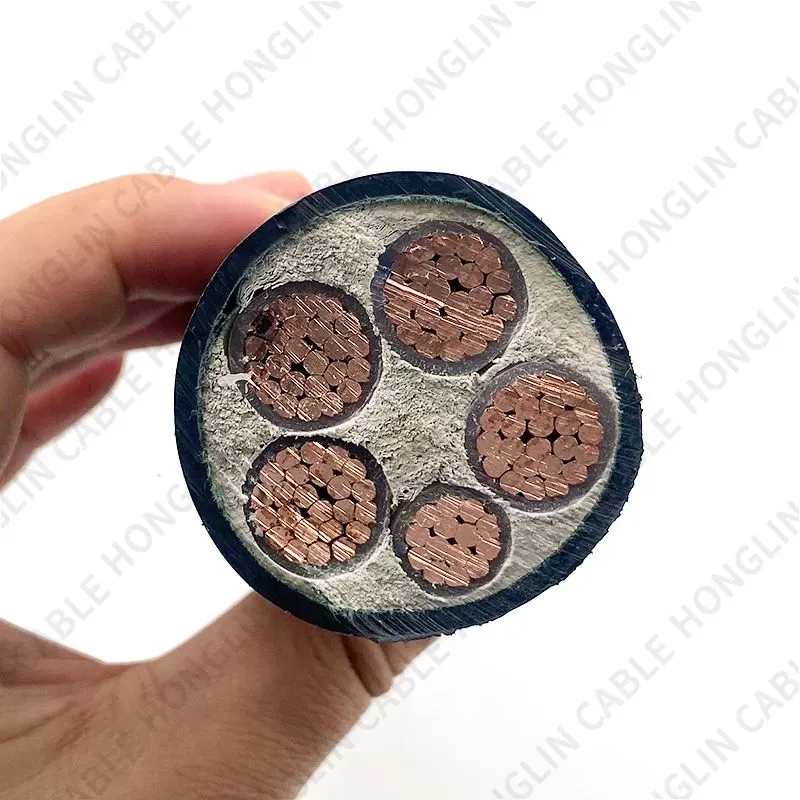
XLPE is cross-linked polyethylene; PVC is polyvinyl chloride. A cable can use XLPE insulation under a PVC outer sheath. Therefore Cu/XLPE/PVC and Cu/PVC/PVC are different descriptions even though both may have a PVC exterior. A photograph of the outside cannot settle the comparison.
| Comparison item | What to request |
|---|---|
| Insulation material | Exact material and applicable product standard |
| Operating temperature | Maximum conductor temperature and relevant installation limitations |
| Current capacity | A table or calculation using the same route conditions |
| Short-circuit duty | Permitted temperature/duration basis and coordination with protection |
| Fire and environment | Separate sheath and finished-cable requirements with evidence |
| Commercial scope | Same conductor duty, quantity, drums and delivery terms |
Schneider Electric’s cable sizing guide gives typical conductor temperature limits of 70°C for PVC and 90°C for XLPE/EPR within its installation guidance. These are not universal ambient limits. Use the offered cable datasheet and equipment termination limits for the project, and have the designer check the applicable rating method.
A higher permitted conductor temperature should not be translated into a fixed percentage increase in load or an automatic reduction in area. Voltage drop, fault performance, connections and environmental conditions may determine a different selection.
Ask suppliers to quote the specified option first. If an alternative insulation is proposed, request a separate deviation sheet showing the changed construction, resulting dimensions and ratings, evidence and price. Keep the original and alternative offers clearly identified until the project team approves one.
Installation cost can also change. Check bending radius, pulling instructions, accessory dimensions and any change to drum weight or route handling. These practical details belong in the bid comparison alongside the material price.
Compare the declared ratings, complete construction and project installation conditions for both options. Have the designer approve the technical choice before comparing prices on the same delivered scope.
No. XLPE describes one insulation material. A finished cable may have other materials, including a PVC sheath. Evaluate the specified fire-performance tests separately.
Compare dated offers for technically acceptable constructions and the same commercial scope. A generic insulation label does not establish the final project cost.
The supplier can clarify available designs and provide data; changes to the approved project specification need the responsible project team’s acceptance.
Keep the LV cable enquiry linked to the approved specification revision. Ask for the proposed LV cable datasheet before comparing commercial offers.
Browse the 0.6/1kV low voltage power cable range and send Honglin Cable your project enquiry. Include the approved LV cable schedule, standard, conductor, core sizes, construction, total metres and destination. Ask for a specification-specific datasheet and a written quotation confirming available construction, minimum quantity, production lead time and delivery scope.
Previous post:
Underground LV Cable: Armoured or Unarmoured?Next chapter:
4 Core 95mm2 Armoured Cable: Specifications for an RFQ