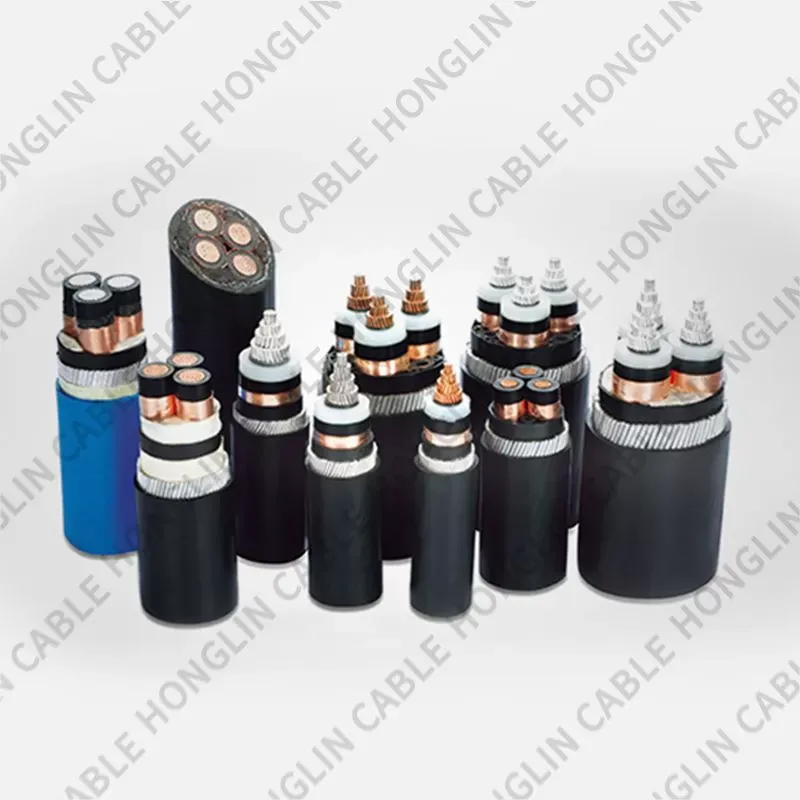
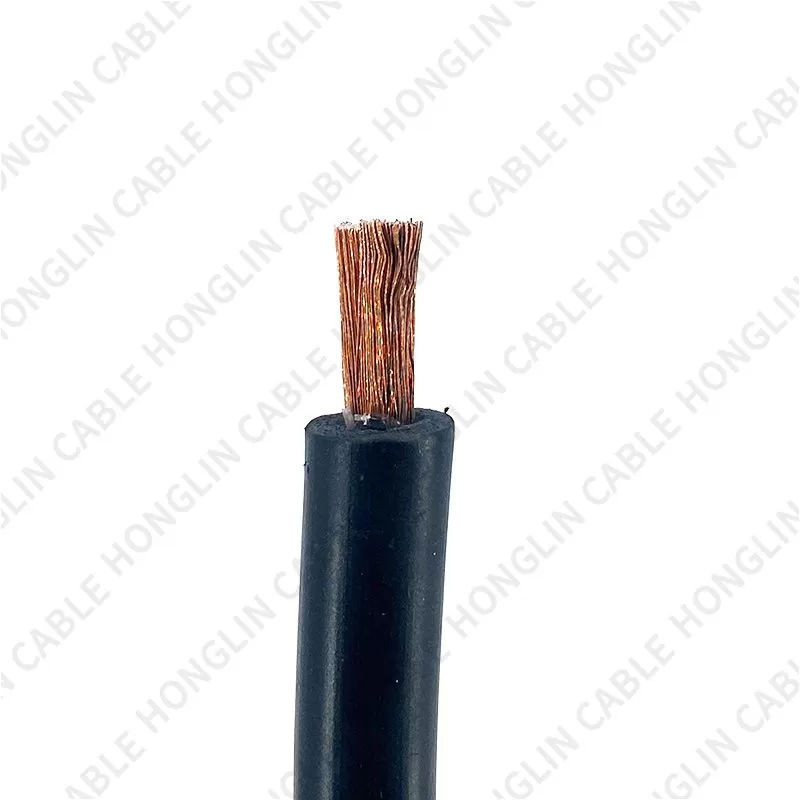
An H07RN-F cable current rating must be read with the installation method, ambient temperature, loaded-core count and cable temperature basis. Cross-section alone is not enough. Buyers comparing ampacity charts should first check those assumptions, then ask the responsible designer to evaluate voltage drop, protection and the complete circuit. This prevents a useful catalogue number from being applied to the wrong installation.
Read the assumptions before the amperes
Start with the manufacturer's exact product and datasheet revision. Identify whether a table applies to fixed installation or mobile service, the number of loaded conductors and the stated ambient conditions. Check whether the temperature limit refers to the conductor, surrounding environment or a particular service mode. These quantities are not interchangeable.
Top Cable's XTREM datasheet, for example, separates fixed-installation and mobile-service values and supplies table notes. That demonstrates why the column heading is part of the value. It does not establish an H07RN-F cable current rating for a different manufacturer's product. Top Cable XTREM H07RN-F, version 40, 29 October 2025
Keep current capacity and voltage drop as separate checks
A cable can satisfy a thermal check yet still produce an unacceptable voltage drop on a long route. Conversely, a size chosen to reduce voltage drop must still be checked for the installation, protection and termination requirements. Do not select the cable by choosing the largest number in an ampacity chart.
For H07RN-F cable voltage drop, give the designer the one-way length, circuit configuration, operating current, relevant conductor temperature and power-factor information where applicable. Use resistance and reactance data appropriate to the selected cable and calculation method. State the project's acceptable voltage-drop limit rather than assuming one percentage covers every installation.
A 100 m route needs more information than a short lead
Imagine two proposed circuits using the same cable size: one is a short ungrouped equipment lead, the other follows a 100 m route through a warm enclosure beside other loaded cables. The catalogue designation is unchanged, but the design inputs differ. The engineer should identify the most demanding part of each route and apply the relevant design rules.
Record motors and other starting loads separately from steady demand. Note any loaded neutral, harmonics, protective device settings or parts of the route that remain on a reel. These inputs can change the evaluation. The resulting H07RN-F cable current rating should be documented with the assumptions that justify it.
Make an auditable selection request
Ask the supplier for the offered construction's data and any applicable current-rating guidance. Ask the project designer for the calculation basis and the selected protection. Keep these responsibilities distinct: a product datasheet describes the cable, while the installation assessment determines how it is used.
When a bidder substitutes a different construction, repeat the relevant checks rather than carrying the previous amperes forward. An enhanced temperature claim may require new assumptions and does not automatically increase the permissible load of existing plugs, glands or connected equipment. Keep the approved H07RN-F cable current rating with the route and revision record so future purchasing changes can be reviewed.
Buyer checklist
| Input | Record before selecting a size |
|---|---|
| Circuit | Supply voltage, phases, neutral duty and protective conductor |
| Load | Running current, starting conditions and operating cycle |
| Route | One-way length, installation method, grouping and enclosed sections |
| Temperature | Ambient and product-specific permissible conductor temperature |
| Protection | Protective device and relevant fault-performance requirements |
| Cable data | Exact construction, resistance data and table assumptions |
Frequently asked questions
Is there one H07RN-F cable ampacity chart for every installation?
No. A chart is meaningful only with its stated product and installation assumptions. Compare the table notes before comparing amperes, and have the installation assessed under the applicable design requirements.
Does increasing the area always solve a voltage-drop problem?
It can reduce conductor resistance for comparable construction, but the designer must still evaluate the complete circuit, including starting conditions and connections. The larger cable also needs suitable terminations and handling arrangements.
Can I use a 90°C number for a 60°C cable?
No. Use the offered product data and the temperature limits of the complete installation. An enhanced construction or a different service mode cannot be assumed merely because both products carry H07RN-F in the name.