
Nov. 13, 2026
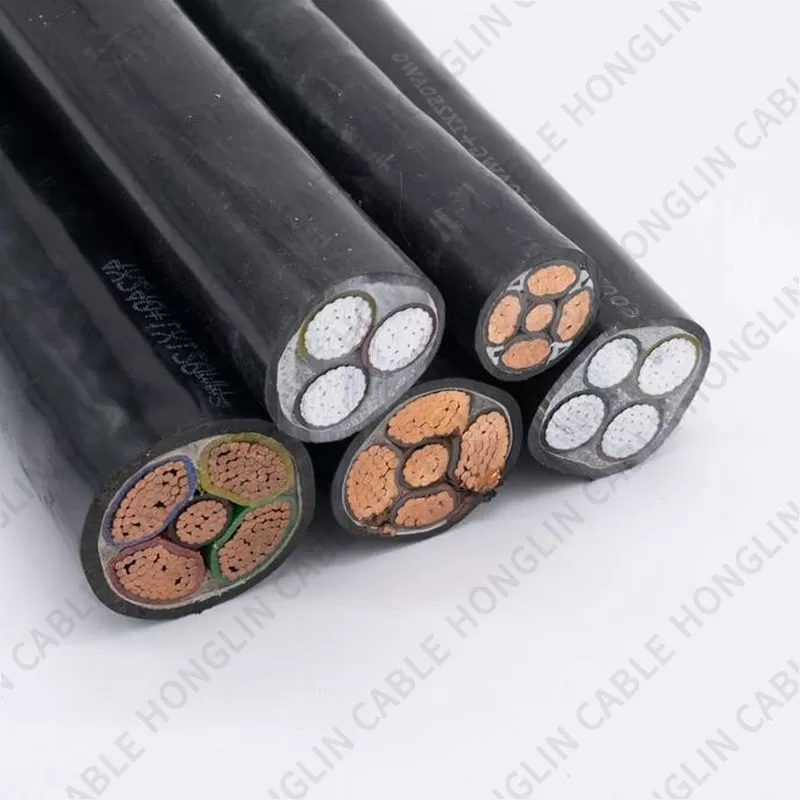
Project procurement guide.
For a hot-climate LV cable project, specify the environment along the actual route. A city’s average weather temperature is not a cable-rating input. Rooftop trays, enclosed plant rooms, sun-exposed runs and buried ducts can have different thermal conditions even on the same site.
An enquiry for low voltage cable for high ambient temperature should describe the temperatures along the route, including enclosed or exposed sections. A destination country name is not a substitute for installation data.
When selecting low voltage cable for high ambient temperature, give the designer the grouping, load profile and termination limits. The cable and connected equipment must be reviewed as part of the same circuit.
Ask the manufacturer of low voltage cable for high ambient temperature for the declared ratings and supporting construction-specific data. Confirm outdoor exposure and sheath requirements separately from conductor temperature assumptions.
Price low voltage cable for high ambient temperature only after the relevant design assumptions are recorded. Include the approved construction, metres, drum plan and project destination in the quotation request.
The conductor becomes hotter as it carries load, and its permitted operating limit is a different quantity from the surrounding air or soil temperature. A stated 90°C conductor limit does not permit a 90°C ambient installation. Request the exact product rating and the calculation assumptions.
| Route feature | Required enquiry detail |
|---|---|
| Outdoor tray | Design air temperature, solar exposure, spacing and nearby heat sources |
| Enclosed area | Expected local temperature and ventilation conditions |
| Buried circuit | Ground temperature, depth, soil thermal assumptions and grouping |
| Equipment connection | Temperature limits of terminals, lugs and connected equipment |
| Mixed route | Length and conditions of each section; controlling section to be assessed |
| Outer sheath | Specified UV, weathering, chemical or other exposure requirements |
Higher ambient conditions can reduce permissible current. The Schneider Electric installation guide illustrates temperature correction factors tied to particular reference conditions. Do not apply a factor from one table to a different base rating without verifying that the methods and assumptions agree.
The purchase enquiry should request the base rating, reference method, applied corrections and final selected duty. The responsible designer should check all controlling constraints, including protection and voltage drop. A supplier’s proposal should show its assumptions so disagreements can be resolved before manufacture.
Selecting LV cable for high ambient temperature requires the actual route temperatures and installation method. An outdoor project, a duct run and an enclosed equipment area can present different design conditions.
For LV cable for high ambient temperature, request the manufacturer data used by the designer and identify the limits of connected terminations. Avoid treating an insulation rating as a complete installation assessment.
An RFQ for LV cable for high ambient temperature should state grouping, load profile and relevant soil or enclosure conditions. Keep outdoor exposure and sheath requirements visible as separate specification items.
Before approving LV cable for high ambient temperature, reconcile the offered construction with the approved calculation. Ask the supplier to identify any proposed change that would require the design to be reviewed.
For Middle East projects, send the actual UAE, Saudi Arabia or Iraq site specification rather than relying on a regional description. The same discipline applies to hot locations in Africa, South America and Southeast Asia. A regional label does not define the required product standard or installation condition.
List each route section, its environment, design temperature, installation arrangement, neighbouring circuits and relevant drawing. Mark assumptions that still require confirmation. Ask bidders to quote the specified construction and identify any thermal limitation or proposed alternative separately.
Provide route temperatures, installation method, grouping, load profile and relevant soil or enclosure conditions. Request declared cable ratings and check termination limits with the responsible designer.
No. The complete installation conditions still determine usable current capacity.
Colour alone is not sufficient evidence. Request the specified weathering or UV performance statement and supporting data.
Only if the project designer establishes that it properly represents the relevant installation. Otherwise describe separate sections.
Browse the 0.6/1kV low voltage power cable range and send Honglin Cable your project enquiry. Include the approved cable schedule, standard, conductor, core sizes, construction, total metres and destination. Include a route temperature schedule and sheath exposure requirements. Ask for a specification-specific datasheet and a written quotation confirming available construction, minimum quantity, production lead time and delivery scope.
Previous post:
LSZH vs PVC Power Cable: Smoke, Flame and Fire Resistance


