Mar. 25, 2026
The best thing about KVVR flexible control cable is that it solves a very common problem in a simple way: how to connect control and monitoring circuits with a cable that bends more easily than a rigid control wire but does not require a specialized industrial design. Supplier pages show it in control, signal, protection, and measuring applications, and they also note that it suits indoor installations where flexibility and some movement are required. That is exactly why it is so widely stocked and so often searched.
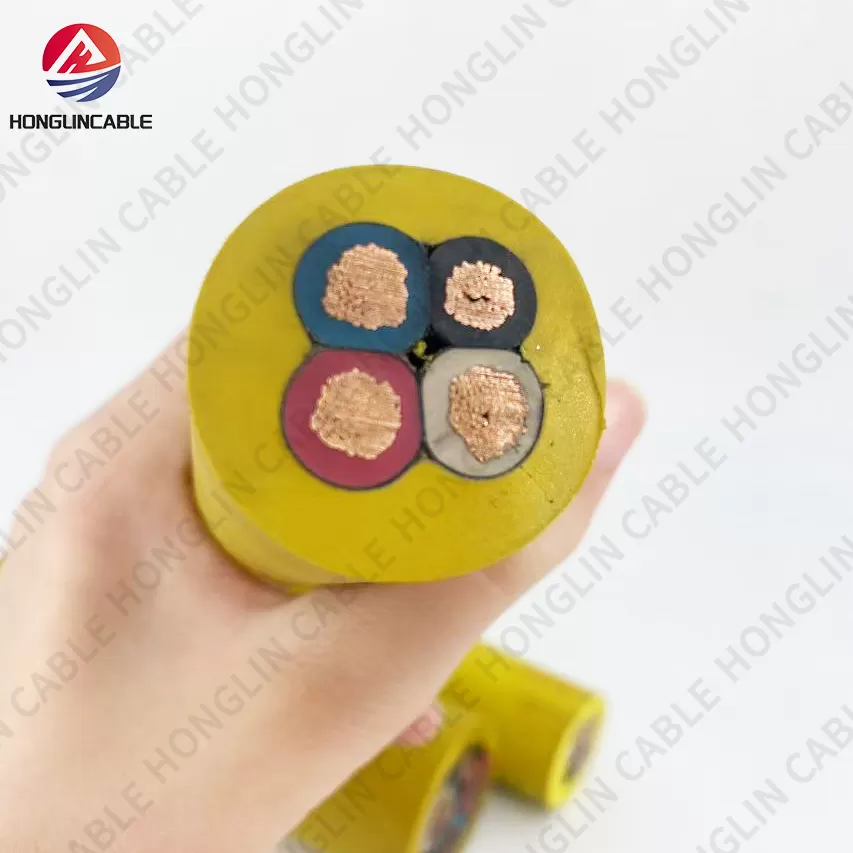
The materials are straightforward too. A KVVR flexible control cable generally uses copper conductors with PVC insulation and a PVC sheath. That means the product is familiar to electricians, easy to terminate, and economical to buy in standard runs or bulk lengths. For many control systems, those are the three things that matter most: easy installation, predictable performance, and sensible cost.
When suppliers mention GB/T 9330, they are telling buyers that the cable sits within a recognized Chinese control-cable framework. The standard describes the product code, cable name and model, finished cable marking, insulated core identification, technical requirements, test methods, inspection rules, service characteristics, and packaging for extruded PVC and related sheathed control cables in the 450/750V AC class. That gives procurement teams a common language for quoting and acceptance.
For a project team, this matters because KVVR flexible control cable is not just a generic “flexible cable.” It is a defined category with a standard voltage range and a familiar construction, which makes comparisons cleaner and reduces ambiguity when multiple vendors are bidding for the same job. That standardization is one of the reasons the cable shows up frequently in supplier catalogues and product pages.
A good KVVR flexible control cable is typically used in control cabinets, instrument loops, control rooms, automation systems, and other low-voltage circuits where the route is tidy, service access matters, and the cable may need to move slightly during maintenance. Supplier pages describe it as suitable for control equipment, monitoring circuits, electrical protection, and measuring distribution equipment, and they also note that it is common in indoor or protected environments.
That makes the cable especially useful where engineers need flexibility without over-specifying the job. If the circuit is low voltage and the environment is moderate, KVVR flexible control cable is usually a better fit than a heavier armored type. If the circuit later needs shielding, the related KVVP or KVVRP families are nearby on the product ladder, which makes product selection easier within the same cable family.

If you are buying KVVR flexible control cable, ask the supplier for the exact rated voltage, number of cores, conductor size, conductor material, insulation thickness, sheath thickness, and the standard being followed. The first-page pages that perform well all make those details easy to find, and that is the right model to follow in procurement.
You should also ask whether the cable can be customized to your part number, whether the factory can supply a required packing format, and how soon they can ship. In the category search results, many manufacturers and B2B sellers clearly offer custom or bulk supply, which means buyers should be able to get lengths, labels, and packaging that fit their own inventory systems.
Flexibility is not a cosmetic feature. It is often the feature that makes installation possible. A KVVR flexible control cable is valuable when the route has bends, when the control panel is tight, or when the cable needs to be moved from time to time during maintenance. Supplier pages often highlight flexibility because this is exactly what buyers search for when they need indoor control wiring that is easier to manage than a rigid alternative.
In real projects, this flexibility saves time. It allows neater cable routing, easier service access, and less stress during installation. For panel builders and plant electricians, that can mean the difference between a clean job and one that becomes hard to maintain later. That practical benefit is one of the reasons KVVR flexible control cable keeps appearing in product searches and supply catalogues.
If your project involves low-voltage control circuits, indoor flexibility, and common industrial or building wiring, KVVR flexible control cable should be one of the first products on the shortlist. If the circuit needs more shielding, then KVVP is often the next step. If the job needs greater mechanical protection, an armored family may be more appropriate. The point is not that KVVR does everything. The point is that it does one very common job well.
A practical buying strategy is to specify the electrical requirements first, then choose the control-cable family that matches the environment. For many applications, KVVR flexible control cable is the cleanest match because it is flexible, standardized, and easy to source from multiple manufacturers.
Choose KVVR flexible control cable when the project calls for a low-voltage, copper-core, PVC-insulated, PVC-sheathed cable that can be routed easily and used in control, signal, protection, or measuring circuits. The strongest supplier pages in the search results all emphasize those same facts: 450/750V rating, flexible construction, and suitability for indoor control applications. That consistency is useful because it makes buying easier and more transparent.
For procurement teams, the best way to reduce risk is to ask for exact datasheets, standard references, and packaging details up front. For engineers, the best way to avoid headaches later is to choose the cable that matches the real environment, not the most complicated one in the catalog. When those two things line up, KVVR flexible control cable becomes a practical, reliable part of the system rather than a source of future maintenance problems