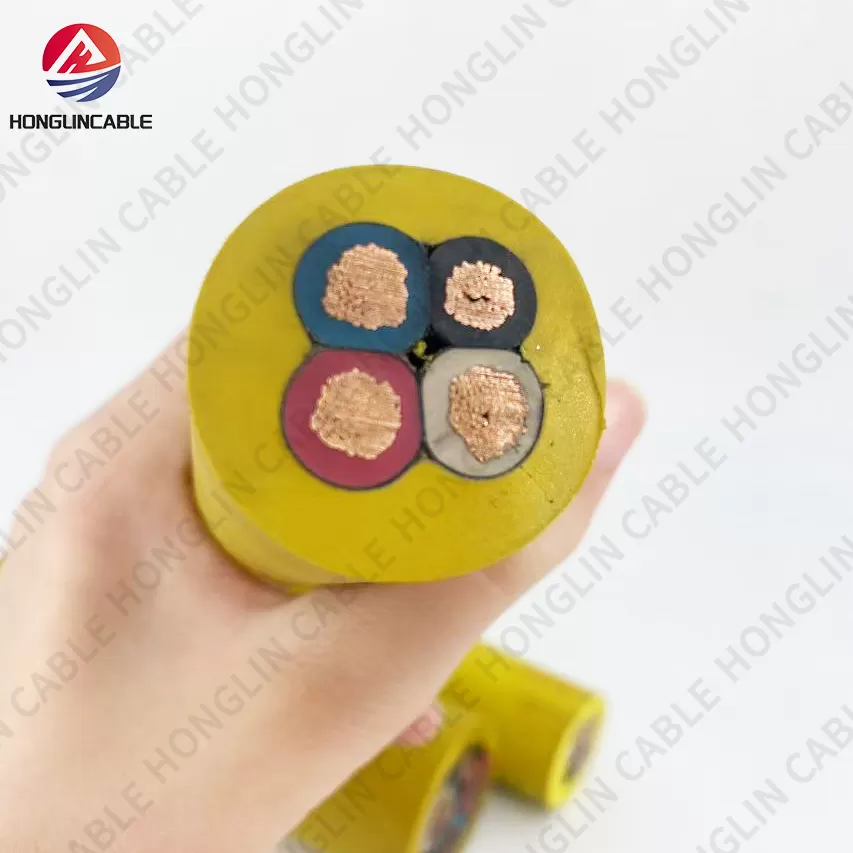
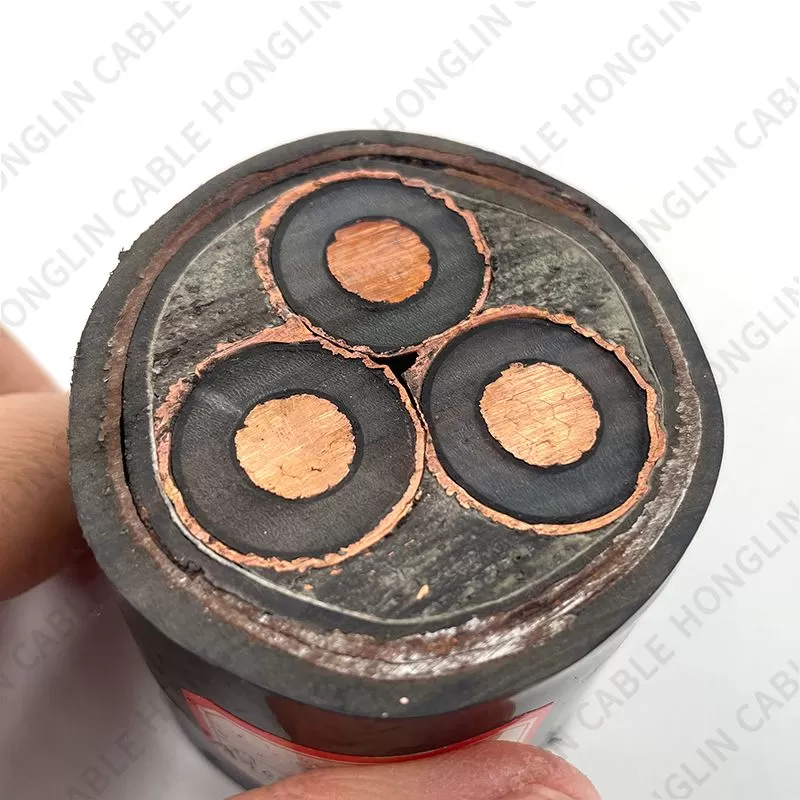
A strong wholesale BVR wire offering begins with one simple idea: make the product easy to trust and easy to use. Buyers in this market are usually not looking for something exotic. They want a wire that performs well, installs cleanly, and can be reordered without uncertainty. The pages that rank best already reflect that reality. They present BVR as a copper-core, PVC-insulated flexible wire family, often in low-voltage building-wire classes, with applications that stretch from household wiring to cabinet and industrial use. That is exactly the kind of practical product story that works in wholesale electrical supply.
At the heart of wholesale BVR wire is copper, and copper is still the benchmark conductor for electrical applications. Copper is valued because of its high electrical conductivity, ductility, malleability, and corrosion resistance. The Copper Development Association notes that copper is the standard conductor under the International Annealed Copper Standard, while the USGS highlights copper’s central role in power transmission, building wiring, telecommunications, and electronics. In practical terms, that means a copper-based flexible wire gives the buyer the performance expected from a serious electrical product while still remaining manageable during installation.
The insulation side matters just as much. Wholesale BVR wire is commonly presented as PVC insulated flexible copper wire, usually in the 450/750V low-voltage class. IEC 60227-1 covers rigid and flexible PVC-insulated cables up to and including 450/750V, IEC 60227-3 covers single-core non-sheathed cables for fixed wiring up to 450/750V, and IEC 60227-5 covers flexible cords and cables up to 300/500V. That standard framework is important because it gives buyers a familiar technical language and gives suppliers a recognized category to sell into.

For installers, the appeal of wholesale BVR wire is immediate. A flexible stranded conductor is easier to route through conduit, easier to bend around corners, and easier to organize neatly inside panels, cabinets, and distribution boxes. Several supplier pages specifically connect BVR wire to building wiring, switchgear, control panels, distribution cabinets, and fixed installation work because that is where flexibility becomes a practical advantage rather than a marketing phrase. In real electrical work, a wire that cooperates with the layout saves time and improves the finished result.
A serious wholesale BVR wire supplier also understands that buyers want choice. The market shows a very broad size ladder, with common sections like 1.5mm², 2.5mm², 4mm², 6mm², 10mm², 16mm², 25mm², and 35mm², and many catalogs extending much higher into industrial sizes such as 50mm², 70mm², 95mm², 120mm², 150mm², 185mm², 240mm², and even 400mm². That range matters because real projects rarely need a single conductor size. A buyer may need smaller wire for lighting or control circuits and larger sections for power distribution, cabinet wiring, or industrial installations. A supplier who can cover the family makes procurement simpler and repeat orders more likely.
The application range is another reason wholesale BVR wire remains commercially strong. Search results show it being used in household wiring, building projects, switchgear, distribution cabinets, control panels, appliances, lighting, and industrial electrical systems. That broad use profile means the product is not tied to one niche. It fits ordinary construction, cabinet assembly, and general electrical work, which makes it far more useful to distributors and traders than a wire that only serves one narrow market segment.
Another strength of wholesale BVR wire is the trust story behind the product. Several ranking pages include ISO, CE, and CCC approval language, while others mention IEC and GB-standard references. ISO is an independent international standards organization, and CE marking is the manufacturer’s declaration that a product meets the applicable EU requirements. In wholesale electrical buying, those references matter because they make the product easier to justify to project engineers, procurement teams, and downstream customers. A wire with a clear standards story is easier to sell and easier to reorder.
What makes wholesale BVR wire especially practical is that the product is easy to explain. The conductor is copper. The insulation is PVC. The structure is flexible or stranded. The voltage rating is familiar. The uses are common and easy to understand. Buyers searching this phrase are already in comparison mode, so a simple, technical, and honest product presentation usually works better than a long sales pitch. The strongest pages on page one show that clearly: they lead with material, voltage, size, and application, because that is what the buyer wants to know first.
For distributors, wholesale BVR wire is valuable because it supports repeat business. A customer who buys BVR for a panel project or building job often needs more sizes later, and a buyer who trusts one product family is much more likely to come back for another order. The search results show a market that already behaves this way: manufacturer pages, factory pages, and wholesale listings all focus on the same family of products because the demand is steady and recurring. That makes BVR a stable catalog item rather than a one-off special.
There is also a clear workmanship advantage. Wholesale BVR wire is easy to route neatly in a cabinet or distribution system, which matters for inspection, maintenance, and future troubleshooting. Flexible wire that behaves well in the hand helps electricians create cleaner installations, and cleaner installations are easier to service later. In the electrical trade, that practical benefit is often as important as raw specification. A wire that helps the installer finish better is a wire that stays in demand.
A strong wholesale BVR wire proposition should therefore focus on four things: conductor quality, insulation consistency, size coverage, and standards confidence. Copper provides the conductivity. PVC provides the insulation. The flexible stranded structure provides installation ease. The recognized standards language helps the buyer trust the product. When those elements are presented clearly, the product becomes much easier to position in the market and much easier for buyers to approve.
For project buyers, the appeal of wholesale BVR wire is peace of mind. They want a wire that installs cleanly, fits a recognized category, and can be sourced again when the next project starts. For suppliers, the appeal is equally strong: a product family with broad application, many available sizes, and a clear technical identity is easier to stock and easier to sell repeatedly. That combination is one of the main reasons BVR continues to hold such a strong place in the electrical market.
In the end, the market for wholesale BVR wire is built around practicality. Buyers want flexible copper wire with PVC insulation, familiar voltage ratings, a broad size ladder, and a standards story they can rely on. The first-page results make that very clear. They are not selling a theory; they are selling a product that helps real electrical projects run more smoothly. That is exactly why this wire family continues to be one of the most dependable choices in wholesale electrical supply.