News
Jan. 12, 2026
A defining feature of the sy control cable is its braided steel wire armor, which provides enhanced mechanical protection without sacrificing flexibility. Unlike rigid armored cables, this design allows for movement, bending, and vibration resistance while still safeguarding the internal conductors from impact, abrasion, and external stress.
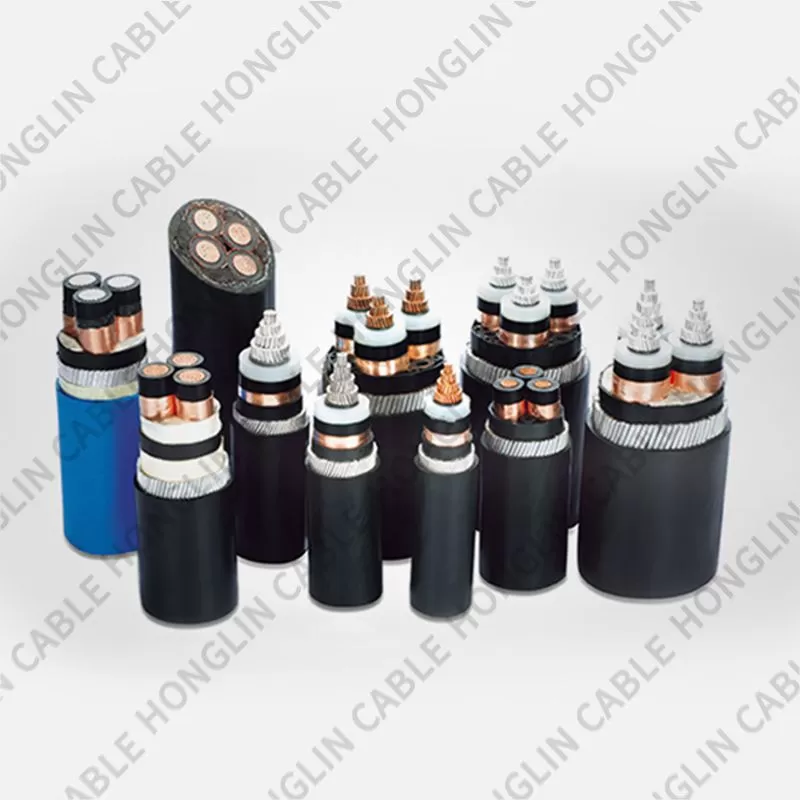
The cable typically consists of finely stranded copper conductors, PVC insulation, an inner sheath, galvanized steel wire braid, and an outer PVC jacket. This layered construction ensures stable signal transmission even in environments where cables are frequently moved or exposed to mechanical strain.
Because of this structure, the sy control cable is widely chosen for applications where standard control cables may fail prematurely due to mechanical damage.
The versatility of the sy control cable allows it to be used across a broad range of industries. In manufacturing plants, it is commonly installed in machine tools, conveyor systems, and automated production lines. The cable’s flexibility enables it to move with machinery while maintaining consistent electrical performance.
In process control environments such as chemical plants, food processing facilities, and packaging lines, the sy control cable plays a crucial role in transmitting control and monitoring signals between sensors, actuators, and control panels. Its protective braid helps prevent accidental damage during installation or routine maintenance.
It is also frequently used in HVAC systems, material handling equipment, and assembly lines, where reliability and mechanical protection are both critical.
One of the key reasons engineers specify the sy control cable is its dependable electrical performance. The finely stranded copper conductors provide excellent conductivity, ensuring minimal signal loss even over longer distances. This is especially important in control circuits where signal accuracy directly affects system behavior.
The insulation materials used in the sy control cable are selected to provide consistent dielectric properties, reducing interference and ensuring stable operation. When combined with the steel wire braid, the cable offers additional resistance to external disturbances that could otherwise affect signal integrity.
This balance between electrical performance and mechanical protection makes the cable suitable for both analog and digital control systems.

Industrial environments often require cables to bend, twist, or move repeatedly during operation. The sy control cable is engineered specifically to handle these conditions. Its flexible conductor design and PVC sheathing allow it to withstand repeated motion while maintaining structural integrity.
At the same time, the steel wire braid acts as a protective layer against crushing, pulling, and accidental impact. This combination ensures that the cable can be routed through tight spaces, cable trays, or moving parts without compromising safety or performance.
For facilities aiming to reduce downtime caused by cable failures, the sy control cable offers a dependable long-term solution.
Ease of installation is another important factor contributing to the popularity of the sy control cable. Despite its reinforced structure, it remains relatively easy to handle and route compared to rigid armored alternatives. Installers appreciate its flexibility, which allows for cleaner cable management and reduced installation time.
The cable’s outer jacket provides clear visibility and resistance to common industrial contaminants such as oils and lubricants. This makes it suitable for use in environments where exposure to industrial fluids is unavoidable.
By choosing the sy control cable, installers and engineers can achieve a balance between protection and practicality.
Operational safety is a top priority in industrial systems, and cabling plays a significant role in maintaining safe conditions. The sy control cable contributes to safety by protecting control circuits from mechanical damage that could lead to short circuits, signal loss, or unexpected machine behavior.
Its robust construction helps maintain continuous operation even in harsh conditions, reducing the risk of unplanned shutdowns. For industries where downtime can result in significant financial loss, this reliability is a major advantage.
Additionally, the clear identification of conductors within the sy control cable simplifies troubleshooting and maintenance, allowing technicians to quickly diagnose and resolve issues.
While initial material selection is important, long-term cost efficiency often matters more. The sy control cable offers strong value over its lifecycle by minimizing maintenance requirements and reducing the frequency of cable replacement.
Its resistance to wear and mechanical stress helps extend service life, even in demanding applications. Over time, this durability translates into lower total ownership costs, fewer interruptions, and improved productivity.
For companies seeking a balance between quality and long-term savings, the sy control cable represents a practical investment.
Different applications require different cable configurations, and the sy control cable is available in a wide range of conductor counts and cross-sectional areas. This allows engineers to select the most suitable option for specific control and signal requirements.
Whether used for simple on-off control signals or more complex multi-core control systems, the cable can be specified to match voltage ratings, current requirements, and installation conditions.
This adaptability ensures that the sy control cable can be integrated into both new installations and system upgrades with ease.
As automation and smart manufacturing continue to advance, reliable control infrastructure becomes increasingly important. The sy control cable supports these trends by providing stable signal transmission in environments where machinery operates continuously and dynamically.
Its ability to perform under mechanical stress makes it well-suited for modern automated systems that rely on precise communication between components. By maintaining signal integrity, the cable helps ensure accurate system responses and efficient production processes.
In this context, the sy control cable plays a supporting yet critical role in the success of advanced industrial operations.
Engineers and system designers consistently select the sy control cable because it meets the practical demands of real-world industrial environments. Its proven performance, flexibility, and protective design make it a trusted solution across a wide range of applications.
Rather than focusing on a single feature, this cable delivers a balanced combination of electrical reliability, mechanical protection, and installation convenience. This comprehensive approach is why it remains a preferred option in many industrial standards and specifications.
In complex industrial systems, every component must perform reliably under pressure. The sy control cable stands out as a dependable solution designed to meet the challenges of modern control and automation environments. Its durable construction, stable electrical performance, and flexibility make it suitable for applications where both protection and movement are required.By choosing the sy control cable, manufacturers, engineers, and system integrators gain a product that supports long-term operational reliability and efficient system performance. In an industry where consistency and safety matter, this type of control cable continues to prove its value across countless applications worldwide.