Feb. 26, 2026
The terms flexible and heavy duty in cable design refer to distinct but complementary attributes:
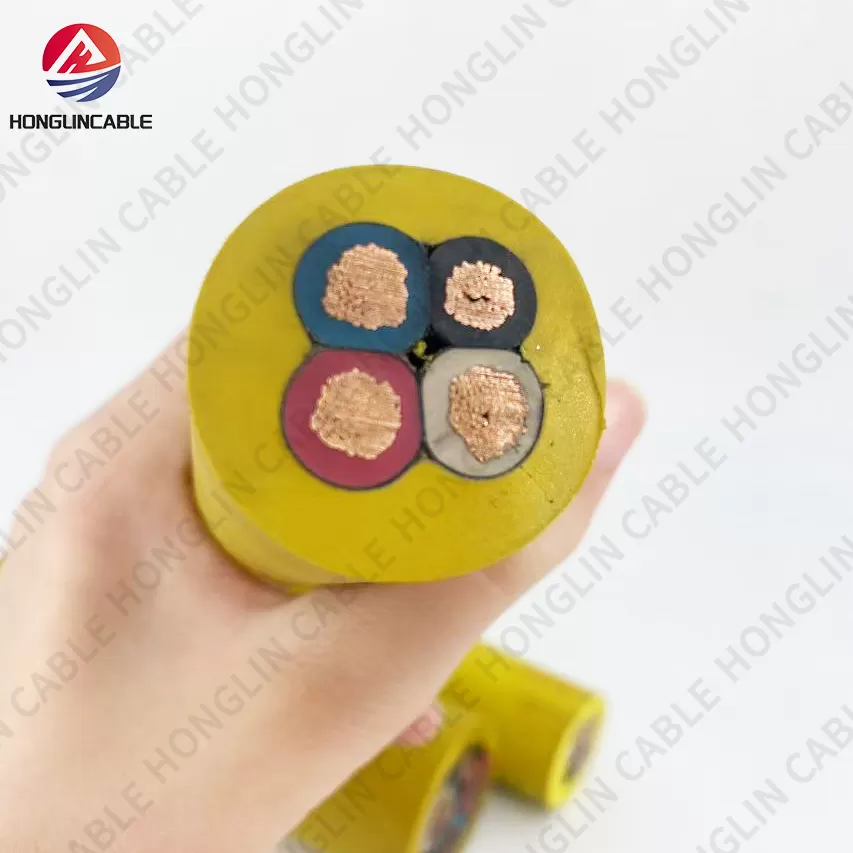
Flexibility starts with the conductor. Flexible heavy duty cables use high-strand copper conductors (Class 5 or higher) that allow the wire to bend repeatedly without breaking individual strands. This contrasts with solid or minimally strung conductors found in fixed wiring that quickly fail under motion. Fine strand counts reduce internal stress during bending, ensuring longer life under motion cycles.
Heavy duty jackets are precisely what protect the flexible core from harsh environments. Compounds like polychloroprene (PCP or CPE), neoprene and advanced rubber blends provide abrasion resistance, crush resistance, oil and chemical tolerance, and weather durability. These jackets are chosen for environments where dragging over rough surfaces, exposure to grease or oil, and outdoor UV light are everyday hazards.
The insulation between conductors is equally important. Ethylene Propylene Rubber (EPR) and similar elastomeric compounds preserve flexibility while providing strong dielectric properties to carry power safely, even when the cable is moved repeatedly or exposed to physical strain.
Together, these features give a flexible heavy duty cable both the ability to move freely without conductor fatigue and the mechanical robustness to resist harsh handling and environmental stress.
Flexible heavy duty cable is a staple in industries and applications where durability and mobility are equally important. Here’s where these cables shine:
Portable power boards, temporary site feeds and heavy tools require cables that can take repeated pulls and movements without breaking down. Flexible heavy duty cable makes this possible without frequent replacements or worksite delays.
Equipment that moves — cranes, lifts, conveyor feeders, pump reels and mobile generators — needs cables that flex with motion. Flexible heavy duty cable meets these needs with high strand conductors and rugged jackets engineered for dynamic use.
When cables are exposed to oil, chemical spray, abrasion, sun and moisture, rugged jackets like polychloroprene or neoprene ensure longevity. These cables resist weather conditions far better than ordinary PVC sheathed types.
High mechanical stress environments like mining and port handling demand combinations of abrasion resistance, oil tolerance and flexible performance. Flexible heavy duty cable is often specified for portable feeders, lighting reels and machine leads in these applications.
To select the right flexible heavy duty cable for your project, pay attention to these key construction details:
Copper is the standard choice because of its high conductivity and ductility. High strand counts (Class 5 or above) increase flexibility. For environments with moisture or chemical exposure, tinned copper conductors extend life by resisting corrosion.
EPR and similar elastomers offer mechanical strength and electrical insulation. Cable insulation must match the expected voltage and physical stresses in the application.
Heavy duty jackets should be chosen based on the expected hazards. Rubber-based compounds like CPE (polychloroprene) resist oil and abrasion; neoprene offers balanced performance; and weather-resistant blends ensure UV and environmental endurance.
Typical flexible heavy duty cables are rated for 300/500V or 450/750V in low and medium voltage industrial power applications. Make sure the cable’s insulation and jacket can handle both the electrical load and ambient temperature extremes your site will experience.
Minimum bend radius values (often expressed as a multiple of the cable diameter) indicate how tightly a cable can bend without internal damage. A good specification should also include flex cycle testing data when available, showing how the cable performs under repeated motion cycles.

When preparing a specification or requesting quotes for flexible heavy duty cables, include the following measurable criteria to ensure the right product and reliable bids:
State the required voltage class (e.g., 450/750V) and conductor cross-section area. Include ampacity requirements for continuous load.
Specify high-strand counts (Class 5 or equivalent) for flexibility.
Name the insulation and jacket compounds explicitly (e.g., EPR insulation with polychloroprene jacket) and include required minimum thicknesses.
Insist on recognized standards (IEC, BS, VDE) and numerical test evidence — for example, abrasion resistance cycles, oil resistance indices or temperature ratings.
Provide the smallest allowable bend radius to avoid internal stress and conductor fatigue.
Include requirements for oil, weather, UV and chemical resistance if cables will be exposed outdoors or near machinery fluids.
Require per-reel test documentation showing insulation resistance, conductor continuity and mechanical test results tied to reel lot numbers. This makes acceptance testing and traceability far more reliable.
Even the best flexible heavy duty cable will fail prematurely if installed improperly. Follow these practices to protect your investment:
Route cables over smooth rollers, plates or cable trays to prevent sharp edges from cutting the jacket.
Always maintain the specified minimum bend radius. Excessive tightening around pulleys or drum centers shortens the cable’s service life.
Position cables away from hot motors, exhausts or friction surfaces to avoid accelerated insulation ageing.
Cable glands and strain relief boots should match the jacket chemistry to maintain mechanical integrity and environmental sealing.
Inspect cables nightly or weekly in high-use environments. Look for jacket abrasions, uncovered conductors or kinks.
When new cables arrive, perform these checks before installation begins:
Visual Inspection: Check for uniform printing, consistent jacket surface and no physical flaws.
Verification of Certificates: Ensure per-reel test certificates match cable lot numbers.
Spot Electrical Tests: Measure insulation resistance and conductor continuity on a sample length.
Bend and Flex Check: Use a small section to confirm flexibility and proper minimum bend radius performance.
Accept only cables that meet these criteria — it avoids costly rework and safety risks later.
Flexible heavy duty cables are often used in environments with significant electrical, mechanical, and environmental hazards. Choose cables rated for the right voltage and temperature ranges and compliant with relevant standards. In addition, ensure your electrical protection devices (GFCIs/RCBOs) and terminations are compatible with the cable type and rating. Safety gaps in cable selection or installation can lead to overheating, insulation breakdown, and fire risk in industrial settings.
At busy construction sites, flexible heavy duty cable connects temporary power boards to machinery, lighting and welding gear. The cable resists dragging across rough surfaces and repeated handling by crew members.
Cranes, portable pumps, compressors and temporary lighting systems benefit from cables designed to flex with motion and resist abrasion and oil exposure.
Outdoor event power feeds, mining camp distribution boards, temporary well pumps and off-road construction power systems often use flexible heavy duty cables because they balance durability with mobility.
Heavy tools, machine feeders and mobile battery chargers require flexible cables that can endure frequent movements without conductor fatigue.
A flexible heavy duty cable is an engineered solution for rugged environments where ordinary fixed cable cannot survive. By understanding conductor construction, insulation and jacket materials, voltage ratings, test standards and installation best practices, you can confidently specify and purchase cables that perform reliably over years of heavy use. Always demand measurable test evidence and per-reel documentation, and protect cables with smart routing and strain relief. Doing so turns cable choice into an asset — one that supports uptime, safety and predictable maintenance in demanding industrial applications.