
Nov. 13, 2026
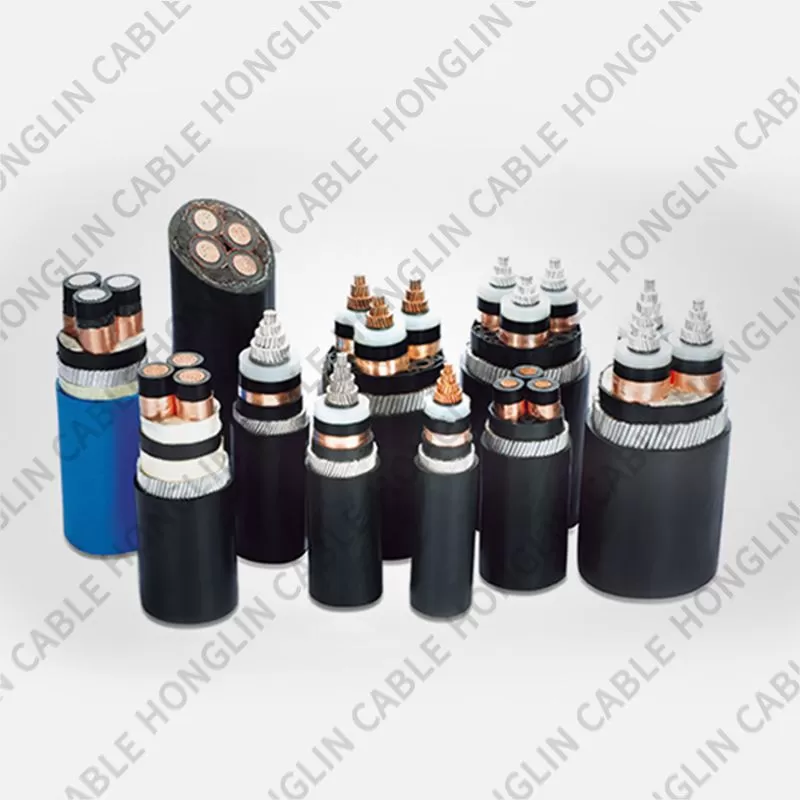
Project procurement guide.
An underground cable enquiry should describe the route before choosing armoured or unarmoured construction. Direct burial, a protected duct and a mixed route are different installations. Cable selection must address mechanical protection, thermal conditions, water exposure and the applicable installation requirements together.
Selecting underground low voltage power cable requires the actual route and installation method. Record whether the cable will be in ducts, directly buried or exposed at transitions, then confirm suitability with the designer and manufacturer.
For underground low voltage power cable, provide soil conditions, grouping and the thermal design assumptions used in sizing. The purchase description should also identify the required sheath and mechanical protection.
Ask for product-specific handling and installation data for underground low voltage power cable. Check bend limits, pulling information and accessories against the planned route before ordering.
An RFQ for underground low voltage power cable should include voltage, conductor, core sizes, armour, metres and destination. Request a written response to wet-ground or other environmental conditions that affect the selection.
| Route detail | Reason to record it |
|---|---|
| Direct burial or duct | Defines the protection concept and installation conditions |
| Depth, spacing and grouping | Inputs for the project’s thermal assessment |
| Soil and backfill | Thermal behaviour and possible chemical exposure |
| Water conditions | Damp soil, flooded ducts and permanent immersion are different duties |
| Pulling sections and bends | Needed for pulling limits, drum lengths and installation planning |
| Surface transitions | Check UV, mechanical exposure, seals and termination arrangements |
Armour adds a metallic layer to the LV cable construction. Steel wire armour and steel tape armour differ, and their permitted mechanical duties should be taken from the actual design. The Eland armoured cable overview illustrates the range of armoured constructions; it does not establish that every armoured cable suits every underground route.
Specify SWA or STA explicitly where the project requires it. Obtain the overall diameter, bending radius, pulling method and limit, armour details and accessories. If the armour forms part of the protective arrangement, the project designer must verify the electrical and bonding requirements as well.
An armoured vs unarmoured cable decision depends on the installation route and its protection requirements. Describe the route rather than assuming that one construction is appropriate for every underground or industrial application.
Include sheath, accessories, handling and external protection in an armoured vs unarmoured cable review. The designer should assess the proposed complete installation rather than the armour label in isolation.
When pricing armoured vs unarmoured cable, request separate offers with the same conductor sizes and delivery scope. Record any additional installation work required by each proposed arrangement.
Before approving an armoured vs unarmoured cable substitution, reconcile the drawing and cable schedule with the project engineer. Procurement should order the accepted construction and retain the decision with the order.
An unarmoured option may rely on a separate protection system. Ask the designer to identify the accepted duct or conduit arrangement, exposure at entries, joint locations and any route sections where protection changes. A supplier should not remove armour solely to reduce the LV cable price without an approved review of that protection system.
Equally, armour should not be treated as a substitute for a suitable sheath, drainage assessment or thermal calculation. The least protected transition or termination may still determine the installation requirement.
The decision depends on the route, protection requirements and approved installation design. Describe these conditions and ask the designer and manufacturer to review the complete cable and installation arrangement.
Only select direct burial when the particular cable and installation have been approved for it. Review ground and thermal conditions, sheath, protection, joints and installation instructions; a voltage marking alone is insufficient.
Do not assume that. Water performance depends on the complete cable construction and applicable evidence.
No. Compare only constructions accepted for the route, pulling conditions and project specification.
Browse the 0.6/1kV low voltage power cable range and send Honglin Cable your project enquiry. Include the approved LV cable schedule, standard, conductor, core sizes, construction, total metres and destination. Attach the underground route details and expected water exposure. Ask for a specification-specific datasheet and a written quotation confirming available construction, minimum quantity, production lead time and delivery scope.
Next chapter:
XLPE vs PVC Insulated Power Cable: A Buyer Comparison


