Feb. 02, 2026
Industrial systems today rely on precise communication between machines, panels, and automated components. As factories evolve toward higher efficiency and tighter control, the demand for reliable signal transmission has never been greater. In this environment, the pvc control cable has become a fundamental element in countless electrical and automation systems.
From manufacturing plants to infrastructure projects, control cables play a critical role in ensuring stable operation. Engineers and purchasing managers require solutions that balance durability, flexibility, electrical performance, and cost efficiency. Thanks to its versatile material properties and proven reliability, the pvc control cable continues to be a preferred choice across global markets.
A pvc control cable is a multi-core cable designed to transmit control signals and low-voltage power within electrical systems. Unlike power cables that primarily deliver energy, control cables are responsible for command signals, monitoring functions, and coordinated operation between devices.
The defining feature of this cable type is its insulation and sheath made from polyvinyl chloride. PVC offers stable electrical insulation, resistance to mechanical stress, and dependable performance under standard industrial conditions. This makes the pvc control cable suitable for fixed installations as well as applications that require moderate flexibility.
Polyvinyl chloride has remained one of the most widely used insulation materials in the cable industry for decades. Its popularity is not accidental. PVC offers a combination of physical and electrical characteristics that meet the practical needs of industrial users.
PVC insulation provides consistent dielectric strength, helping maintain signal accuracy over long periods. It also offers good resistance to abrasion, oils, and common industrial chemicals. These properties allow a pvc control cable to operate reliably in control cabinets, production equipment, and enclosed cable routes without frequent maintenance.
Additionally, PVC can be formulated to meet different performance requirements, such as enhanced flexibility or improved flame retardance. This adaptability supports a wide range of control cable designs for different industries.
A standard pvc control cable is composed of several essential elements working together to ensure stable performance. Each component contributes to the cable’s overall reliability and service life.
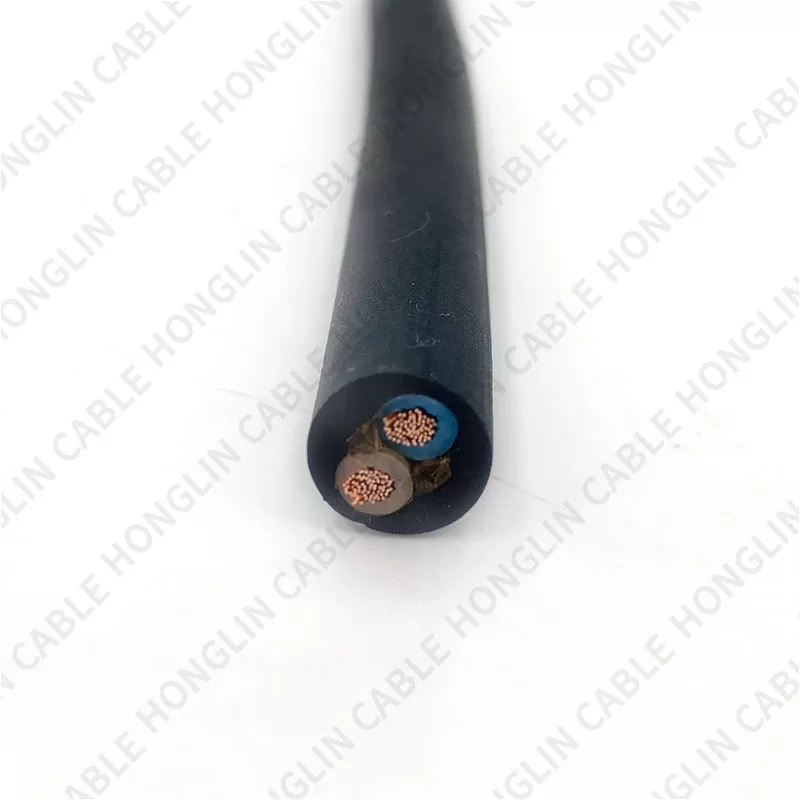
The conductor is typically made of stranded or solid copper, providing excellent conductivity and signal integrity. Around the conductor, PVC insulation ensures electrical separation between cores. Multiple insulated cores are then laid together, often with fillers to maintain a round cable shape.
An outer PVC sheath protects the internal structure from mechanical damage and environmental exposure. In some designs, additional shielding may be included to reduce electromagnetic interference, especially in environments with sensitive control signals.
One of the main reasons industries choose a pvc control cable is its dependable performance in everyday operating conditions. These cables are designed to function consistently in environments where temperature, vibration, and mechanical stress are present.
PVC insulation maintains its integrity over a wide temperature range suitable for most indoor and protected outdoor installations. The cable’s flexibility allows for easier routing inside panels and machinery, reducing installation time and labor costs.
For control systems that require stable signal transmission rather than high power delivery, the pvc control cable provides an efficient and economical solution without unnecessary complexity.
The versatility of the pvc control cable makes it suitable for a wide variety of industries. It is commonly used in manufacturing plants, automation systems, conveyor equipment, and machine tools.
In building infrastructure, control cables manage lighting systems, HVAC controls, and safety equipment. In power distribution environments, they support monitoring and control functions within substations and control rooms.
Process industries such as chemical processing, water treatment, and food production also rely on pvc control cable solutions for reliable communication between sensors, actuators, and control panels.
Ease of installation is another key advantage of the pvc control cable. Installers appreciate its manageable bending radius and smooth sheath surface, which allows the cable to be pulled through conduits and trays with minimal effort.
The flexibility of PVC insulation helps reduce stress on terminals and connectors, especially in compact control panels. This contributes to more secure connections and reduces the risk of damage during installation.
Clear core identification, achieved through color coding or numbering, simplifies wiring tasks and reduces the likelihood of errors. These practical benefits translate into time savings and improved installation quality.
Safety is a critical factor in any electrical installation. A well-manufactured pvc control cable is designed to meet recognized industry standards for insulation performance and flame retardance.
PVC materials can be engineered to self-extinguish when exposed to flame, reducing the spread of fire in enclosed spaces. This characteristic makes control cables suitable for use in buildings, machinery, and industrial facilities where fire safety is a priority.
Consistent insulation thickness and quality control during manufacturing ensure reliable performance over the cable’s service life, supporting long-term operational safety.
From a commercial perspective, the pvc control cable offers excellent value. Compared with specialized high-performance materials, PVC provides a cost-effective solution without sacrificing essential functionality for standard control applications.
The durability of PVC insulation reduces the frequency of replacement and maintenance, contributing to lower total ownership costs. For large-scale projects or recurring installations, these savings can be significant.
This balance between affordability and reliability is a major reason why the pvc control cable remains a standard choice for engineers and procurement teams worldwide.

Modern cable manufacturing allows for a wide range of customization options to meet specific project needs. A pvc control cable can be produced with different core counts, conductor sizes, and sheath thicknesses.
Additional features such as shielding, oil resistance, or enhanced flexibility can be incorporated depending on the application environment. This adaptability ensures that the cable performs optimally in its intended use while maintaining the benefits of PVC insulation.
Customization also allows companies to align cable specifications with their internal standards or regional requirements, ensuring compatibility across systems.
While PVC is a synthetic material, modern production processes continue to improve its environmental profile. Manufacturers increasingly focus on controlled formulations and efficient production methods.
In controlled industrial environments, the long service life of a pvc control cable reduces waste by minimizing the need for frequent replacement. Proper installation and responsible disposal at end of life further support sustainable practices.
Selecting the right cable for the right application ensures optimal performance while minimizing unnecessary material use.
The performance of a pvc control cable depends not only on its design but also on manufacturing quality. Consistent raw materials, precise extrusion, and thorough testing are essential to ensure dependable performance.
A professional supplier understands industry requirements and provides technical support during selection and application. Clear documentation, stable production capacity, and attention to detail are indicators of a reliable manufacturing partner.
Working with an experienced supplier helps ensure that the cable delivered meets expectations in both performance and longevity.
As automation and smart manufacturing continue to advance, control systems will become even more integrated and precise. Reliable cabling remains the foundation of these systems.
The pvc control cable continues to evolve alongside industry needs, adapting to new equipment designs and installation practices. Its proven performance and versatility ensure that it remains relevant in both traditional and modern applications.
By choosing dependable control cable solutions, businesses support stable operations today while preparing for future technological developments.
The pvc control cable stands as a practical, reliable, and cost-effective solution for a wide range of control applications. Its balanced performance characteristics, ease of installation, and adaptability make it a trusted choice across industries.
From manufacturing floors to infrastructure projects, this cable type supports efficient communication and precise control. Its continued popularity reflects its ability to meet real-world requirements without unnecessary complexity.
For organizations seeking dependable control solutions that deliver long-term value, the pvc control cable remains a smart and proven choice
Previous post:
The Role of Precision Control Cables in Modern Audio SystemsNext chapter:
What Are Push Pull Control Cable Assemblies