Jan. 06, 2026
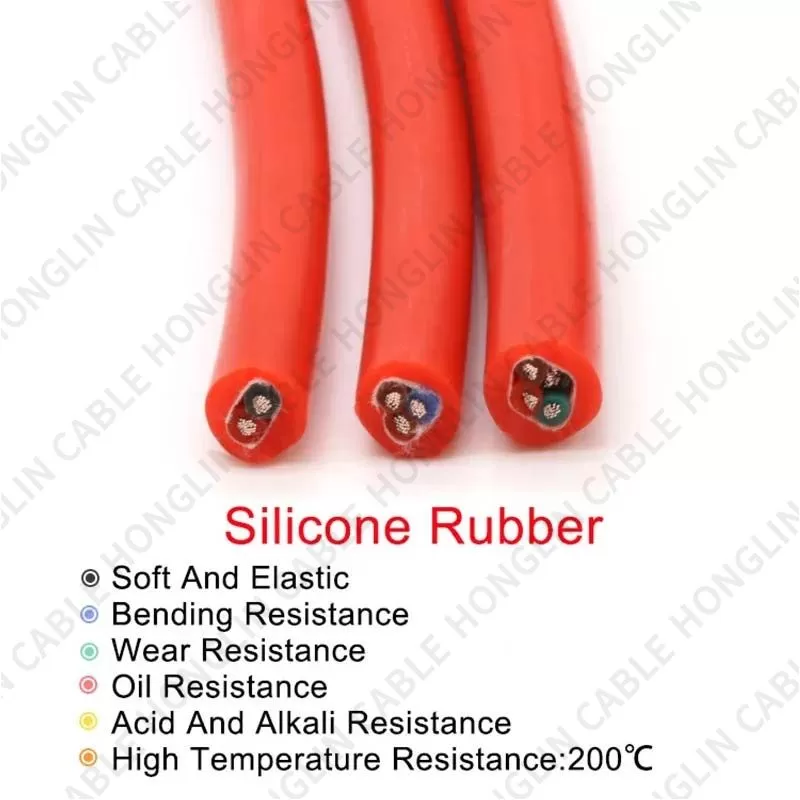
Industrial environments place heavy demands on electrical cables. Heat, vibration, mechanical movement, and harsh conditions can quickly degrade ordinary cables. Silicone rubber cable for industrial applications has become the preferred solution due to its unique combination of flexibility, heat resistance, and durability.

Industrial equipment often operates continuously under elevated temperatures and mechanical stress. Traditional cables can crack, harden, or fail over time. Silicone rubber insulated cable is specifically designed to withstand these challenges.
Silicone rubber cables remain flexible even under repeated bending, making them ideal for:
Automated production lines
Robotic systems
Moving machinery
Silicone rubber insulation is resistant to:
Oils and chemicals
Moisture and humidity
UV and ozone exposure
The combination of high-quality copper conductors and silicone rubber insulation ensures stable conductivity and insulation resistance.
Automation and control systems
Motors and drives
Industrial heating systems
Electrical cabinets and panels
Manufacturing equipment
Compared to PVC or rubber cables, silicone rubber cable offers:
Higher temperature tolerance
Longer service life
Better flexibility
Lower failure rates
This makes it a cost-effective solution for long-term industrial use.
For demanding industrial environments, silicone rubber cable provides unmatched performance and reliability. Its flexibility and heat resistance make it the ideal choice for modern industrial electrical systems.