Feb. 11, 2026
In the demanding world of coal mining, electrical systems must be engineered to withstand some of the harshest environments on Earth. Moisture, abrasive dust, mechanical stress, heavy equipment movement, and long hours of continuous operation combine to create conditions that exceed the capabilities of standard industrial cabling. For this reason, a specialized coal mine cable is essential to ensure safety, reliability, and uninterrupted production.
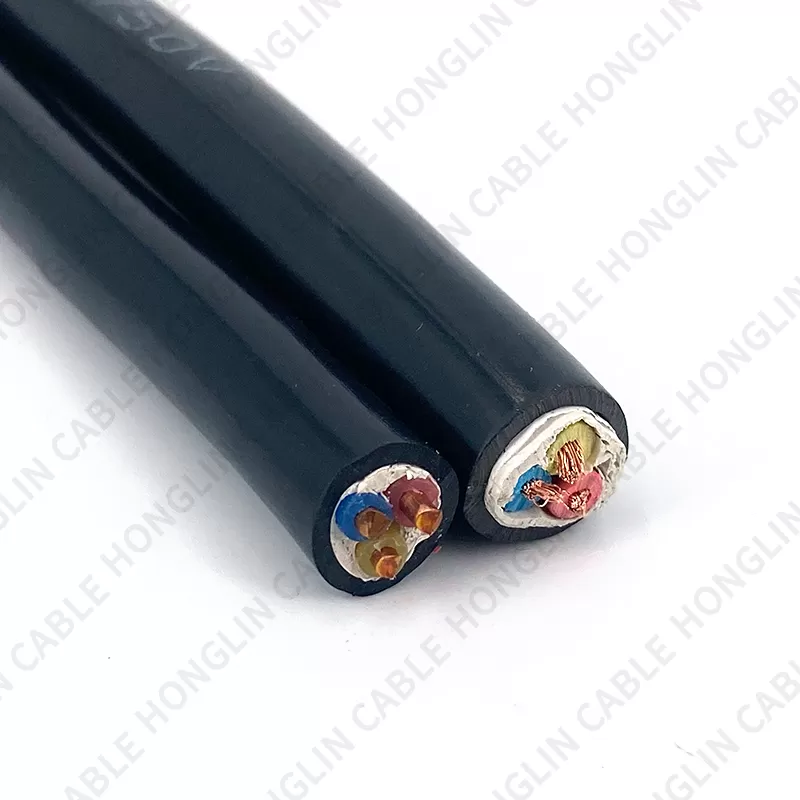
A coal mine cable is not simply a power conductor; it is a purpose-built solution designed to deliver dependable electrical performance deep underground where conditions can be unforgiving. These cables are engineered with rugged construction, advanced insulation materials, and enhanced mechanical protection to support heavy machinery, conveyors, ventilation systems, and control circuits in modern mines.
To appreciate the value of a properly engineered coal mine cable, it helps to understand the environment in which it must operate. Coal mines are dusty, damp, and mechanically aggressive. Cable runs may be subject to frequent bending, abrasion against rock surfaces, and contact with chemicals or lubricants. In many cases, cables are exposed to fluctuating temperatures and mechanical movement from mobile equipment.
In response to these demands, a high-quality coal mine cable offers a combination of:
1. Robust conductor design — Coal mine cables typically use finely stranded copper conductors that resist fatigue from repeated bending. This flexible conductor design allows the cable to perform reliably even when dragged or moved frequently during equipment repositioning.
2. Advanced insulation materials — Insulation systems based on elastomeric rubbers or cross-linked polyethylene are selected for their ability to withstand mechanical stress, thermal cycling, and chemical exposure. These materials help maintain electrical integrity in harsh conditions.
3. Mechanical protection layers — A tough outer sheath guards against abrasion, impact, and tearing. For applications where the cable may encounter heavy machinery or abrasion from conveyors and rock surfaces, this outer layer preserves the structural and electrical integrity of the cable.
4. Electromagnetic shielding options — In installations where power and control circuits are co-located, shielded versions of the cable help reduce electromagnetic interference, protecting control signals and sensitive instrumentation.
5. Safety features and compliance — Many cables designed for coal mining include flame-retardant materials and low-smoke properties, helping to improve safety in underground environments where evacuation visibility and air quality are critical during emergency conditions.
All of these elements are combined in a well-engineered coal mine cable to provide a solution that can be relied upon shift after shift, day after day.

It might be tempting to save on material costs by choosing a general-purpose industrial cable. However, the consequences of such a choice can be expensive and dangerous in the long run. Standard cables are rarely designed to endure the mechanical and environmental stresses of a coal mine. They can wear prematurely, suffer insulation degradation, or fail under load — all leading to unscheduled downtime, costly repairs, and safety hazards.
In contrast, a dedicated coal mine cable is engineered to address the real operational stresses present in mining. The result is a cable that:
Maintains flexibility and conductivity after repeated bending and movement.
Withstands abrasive contact with rock and machinery surfaces.
Resists moisture, oils, and chemical contaminants prevalent in mining environments.
Provides longer service life compared to generic alternatives.
Reduces the frequency of costly cable replacements and emergency repairs.
These practical benefits translate into measurable improvements in uptime, operational safety, and lifecycle cost savings.
Coal mine cables serve a variety of critical applications across underground and surface mining operations, including:
Power feeders for heavy machinery:
Heavy machinery such as coal cutters, haulage loaders, and continuous miners require robust power delivery systems. A coal mine cable provides the reliable electrical feed these heavy loads demand, ensuring that high-consumption equipment operates smoothly.
Trailing cables for mobile equipment:
In operations where equipment is constantly in motion, trailing cables must endure repeated bending, dragging, and over-the-ground movement. Coal mine cable designs with flexible conductors and abrasion-resistant sheaths are ideal for these mobile roles.
Fixed power distribution lines:
Even fixed installations such as conveyor systems, ventilation fans, and pump systems in underground galleries benefit from cables built to withstand mechanical abuse and environmental challenges.
Control and instrumentation circuits:
Shielded coal mine cable variants support control systems that require stable signal transmission near power feeds, helping to maintain the integrity of automated monitoring and safety systems.
Temporary power setups:
During maintenance activities or temporary shutdowns, flexible yet rugged coal mine cable solutions support temporary power distribution where cables may be moved or reconfigured frequently.
Each of these applications requires a cable with specific performance attributes — attributes that a quality coal mine cable delivers through thoughtful design and material selection.
Selecting the correct coal mine cable for a given application is not a trivial decision. It requires an understanding of electrical, mechanical, and environmental requirements for the installation. Below are key considerations to guide your selection:
1. Voltage rating:
The cable’s rated voltage must match the system it will serve. Coal mine cables are commonly available in low-voltage classifications that suit typical mining power systems. Choosing a cable with the appropriate voltage rating ensures safe and effective power delivery.
2. Conductor size and flexibility:
Larger conductor cross sections deliver higher current capacity but may reduce flexibility. In mobile or dynamic applications, conductor geometry and stranding must balance load capacity with mechanical flexibility to avoid premature fatigue.
3. Insulation and jacket materials:
Cables operating in abrasive, wet, or chemical-rich environments require insulation and outer jacket materials designed to withstand these stressors. Elastomeric compounds and rugged jackets prevent cracking and deterioration over time.
4. Shielding requirements:
Where sensitive control or communication circuits coexist with power lines, consider shielded cable variants to reduce electromagnetic interference and support signal integrity.
5. Mechanical protection:
In high-impact zones or areas with heavy machinery movement, reinforced jackets or optional armoring may offer enhanced durability and longer service life.
6. Test certification and compliance:
Insist on cables backed by factory test certificates and conformity to recognized performance standards. Documentation of tested ratings for insulation resistance, mechanical strength, and flame retardancy provides confidence in long-term performance.
By evaluating these factors in the context of your specific operation, you can specify a coal mine cable that aligns with both performance expectations and safety obligations.
Even the highest-quality coal mine cable can be compromised by poor installation practices. Follow these installation principles to preserve cable performance and prolong service life:
Maintain proper bend radii:
Respect the manufacturer’s recommended minimum bend radius to avoid conductor and insulation stress during routing.
Provide adequate strain relief:
Terminations and connectors are frequent stress points. Use appropriate strain relief mechanisms to prevent mechanical strain and potential conductor fatigue.
Protect cable from abrasion:
Route cables away from sharp edges and high-traffic contact points where possible. Where unavoidable, protective trays and guards help reduce wear.
Label and document cable runs:
Clear labeling and as-built documentation speed future maintenance and minimize accidental damage during reconfiguration.
These best practices not only protect the cable during initial installation but also reduce long-term deterioration.
A proactive maintenance strategy helps catch issues before they lead to failure. Regular inspections identify early signs of sheath wear, cracks, or exposure of internal elements. Electrical testing, such as insulation resistance measurements, provides insights into hidden degradation not visible on the surface. Thermal imaging at terminations detects hot spots that indicate loose connections or conductor issues.
By using predictive monitoring data to inform maintenance schedules, mining teams can replace or repair cable segments before they fail, significantly reducing downtime and maintenance costs.
Safety is paramount in any underground operation. Features such as flame-resistant jackets and low-smoke materials help reduce hazards in emergency situations. These properties limit the spread of fire and reduce toxic emissions, improving the survivability and evacuation conditions for personnel.
When specifying cables, consider not only electrical and mechanical performance but also how the cable’s behavior under fault conditions contributes to overall site safety.
While a high-quality coal mine cable may carry a higher upfront cost than standard alternatives, its total value becomes clear over time. Longer service life, fewer emergency replacements, improved uptime, and reduced labor expenditures all contribute to lower total cost of ownership. Evaluating cables on these economic factors rather than the initial per-meter price leads to better long-term decisions.
In coal mining operations, the performance of your electrical infrastructure is fundamental to safety, productivity, and cost control. A well-specified coal mine cable delivers flexibility, mechanical resilience, environmental resistance, and electrical performance in one dependable package. When combined with sound installation practices and proactive maintenance, such cables provide reliable power distribution that supports continuous operation in the most challenging underground environments.
Choosing the right cable is an investment in uptime, safety, and operational confidence — a decision that pays dividends every day the mine runs smoothly and efficiently.