Apr. 02, 2026
When buyers search for PVC insulated control cable, they are usually looking for a product that solves a practical wiring problem rather than a technical lesson. They want a cable that can be installed cleanly, works reliably in indoor control systems, and fits a familiar industrial specification. That is why the strongest first-page results are supplier and factory pages. They present the product in the language buyers actually use: copper conductor, PVC insulation, PVC sheath, flexible structure, and control-circuit use. A cable page that speaks clearly about those points is much more likely to earn trust from purchasing teams and project users.
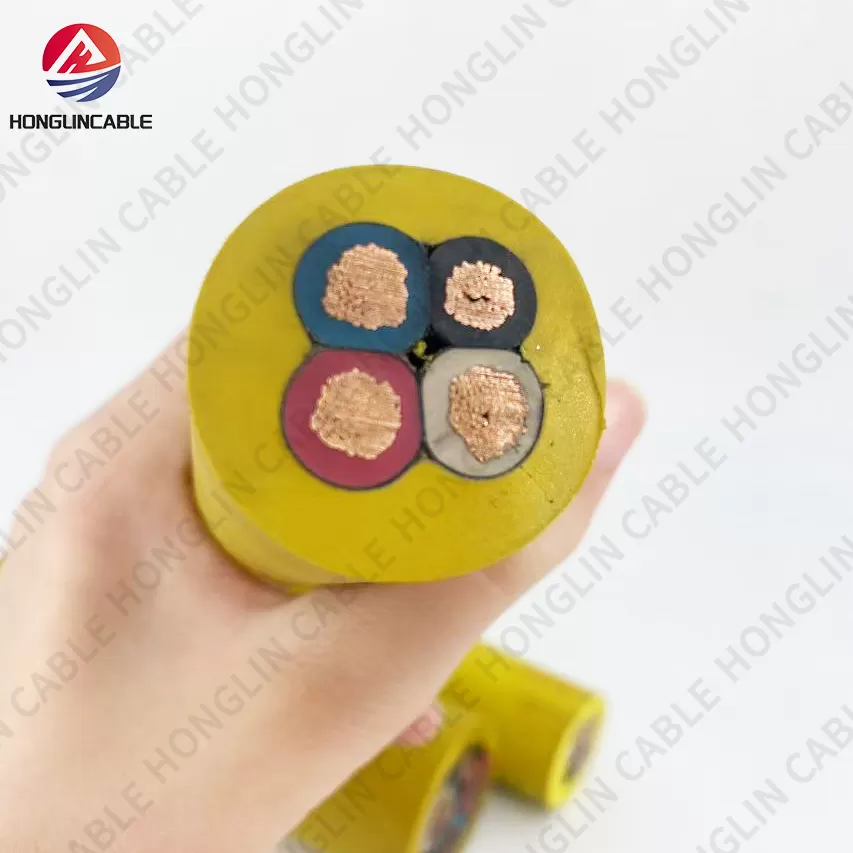
One reason PVC insulated control cable stays so visible in the market is that the structure is easy to understand. Copper conductors give buyers a familiar base. PVC insulation provides a practical protective layer. A PVC sheath adds another level of durability for indoor use. Search results from manufacturer pages show this same material combination again and again, which suggests that the market has already settled on it as a standard industrial choice. That is useful for buyers because standard products are easier to compare, easier to approve, and easier to reorder later.
Flexibility is another important reason this product performs well. In industrial projects, control wiring rarely runs in perfect straight lines through open space. It passes through cabinets, equipment frames, trays, and ducts where a rigid cable can make installation harder. A PVC insulated control cable is attractive because it can be used in layouts where bending, routing, and careful placement matter. Search results describe flexible control cable products as suitable for indoor control systems, mobile equipment, and other applications where the cable must move more easily than a fixed power cable.
Voltage class also matters a great deal in buyer decisions. The current results show control cable products commonly listed in the 300/500V and 450/750V range, with 450/750V appearing often in control-cable pages. That gives the buyer a clear sense of where the product belongs: control circuits, signal transmission, monitoring systems, and other low-voltage indoor applications. A strong PVC insulated control cable page should make that point clearly so the buyer can decide quickly whether the cable fits the project.
Price is also part of the search landscape, but not in a simple one-number way. The visible results show a range of pricing patterns, from low starting factory quotations with large MOQ to broader marketplace price bands. That tells us buyers are not only comparing cost. They are comparing cost, quantity, specification, and source reliability together. In this category, a PVC insulated control cable is judged by how well it fits the actual job, not just by how low the number looks on the page.
Application is another major part of the story. Manufacturer pages describe these cables as suitable for control lines, signal lines, electrical appliances, instruments, automation devices, machinery, production lines, and indoor electrical installations. That broad but focused application range is one reason the keyword is commercially strong. A PVC insulated control cable can serve many industrial customers without losing a clear identity. It is not a random cable type. It is a standard solution for organized indoor control wiring.
For panel builders, the value is immediate. A PVC insulated control cable helps keep internal wiring organized and easier to trace. For equipment manufacturers, it supports cleaner assembly. For maintenance teams, it can reduce confusion later when systems need inspection or repair. These practical benefits matter more than decorative product language. That is why the pages that rank best are usually the ones that explain the product in straightforward terms and show where it is used.
The market also shows that buyers care about construction details, not just the category name. Search results include many related products with braided screen, flame-retardant versions, or armored variants, which suggests that customers are often comparing control cable families based on the installation environment. A simple PVC insulated control cable is a practical choice when the project needs a standard indoor solution, while more specialized versions are used when shielding or mechanical protection is required. That kind of product-family logic is exactly what buyers expect to see on a strong sales page.

The technical picture is fairly consistent across the visible results. Copper conductors appear repeatedly. PVC insulation appears repeatedly. The temperature reference commonly sits around 70°C in product pages. Rated voltage is typically presented at 300/500V or 450/750V depending on the product family and market. Those repeated details help buyers trust the product because they are seeing the same industrial language across multiple supplier pages. For a PVC insulated control cable, consistency in the way the specification is presented matters almost as much as the specification itself.
That is also why the first page is dominated by manufacturers and B2B suppliers rather than educational articles. Buyers at this stage want to compare real offers. They want to see what the cable is made of, what voltage class it belongs to, how it is used, and what the supply terms look like. The presence of large category pages such as “PVC insulated and sheathed control cable” with 999+ products tells us the market is broad and active. A page about PVC insulated control cable should therefore feel like a product page, not a brochure.
For wholesalers and distributors, the product is attractive because it is easy to explain. Buyers usually know what a flexible control cable is, what PVC means, and why copper matters. That makes the sales conversation smoother. It is easier to quote, easier to stock, and easier to reorder when the product is already part of a familiar industrial category. A good PVC insulated control cable page should help the buyer move from interest to inquiry without unnecessary friction.
For international trade, the terminology is also helpful. “Copper conductor,” “PVC insulation,” “PVC sheath,” and “control cable” are all standard terms that travel well across markets. That means the buyer does not need a long explanation to understand the product. The search results show manufacturers using those exact terms because they are the words industrial buyers recognize. A PVC insulated control cable with clear technical language is easier to compare across suppliers and easier to include in a purchase order.
A strong sales page should help the buyer picture the real work the cable will do. In this case, the cable is meant for indoor control wiring, signal transmission, equipment connection, and other standard industrial tasks where reliability and neat routing matter. It should feel practical, not flashy. It should feel dependable, not complicated. That is the main reason PVC insulated control cable continues to perform well in search and in trade: it represents a familiar, useful, and trusted solution.
There is also strong repeat-order logic behind the category. If a buyer uses the cable once and the installation goes smoothly, the same cable is often requested again for the next project. That is common in industrial supply, where consistency matters. A supplier that offers a reliable PVC insulated control cable can turn one successful project into many future orders by keeping the product stable and the communication clear.
In the end, the keyword remains strong because it describes a real and recurring need in industrial wiring. Buyers want a cable that is flexible, copper-based, PVC-insulated, and suitable for indoor control applications. The current search results show that the market already treats this as a serious procurement category, with factories, suppliers, and marketplaces all competing for attention. That is why a clear, practical, and trustworthy PVC insulated control cable page can perform well on the first page.