Jan. 19, 2026
A power control cable is a practical engineering solution where both power delivery and control signalling must coexist within a single assembly. In many industrial installations, using separate runs for energy and low-voltage control creates congestion, complicates routing and increases installation time. A well-specified power control cable simplifies wiring, reduces tray depletion, and speeds commissioning without compromising electrical performance.
When you choose a combined power control cable, you’re balancing three priorities: safe power distribution, reliable control signal integrity, and installation efficiency. For machine tool centers, packaging lines, HVAC plants and pump stations, a power control cable reduces the number of individual cores to manage and shortens the bill of materials. Engineers prefer this consolidated approach because it directly reduces termination labour and long-term maintenance points.
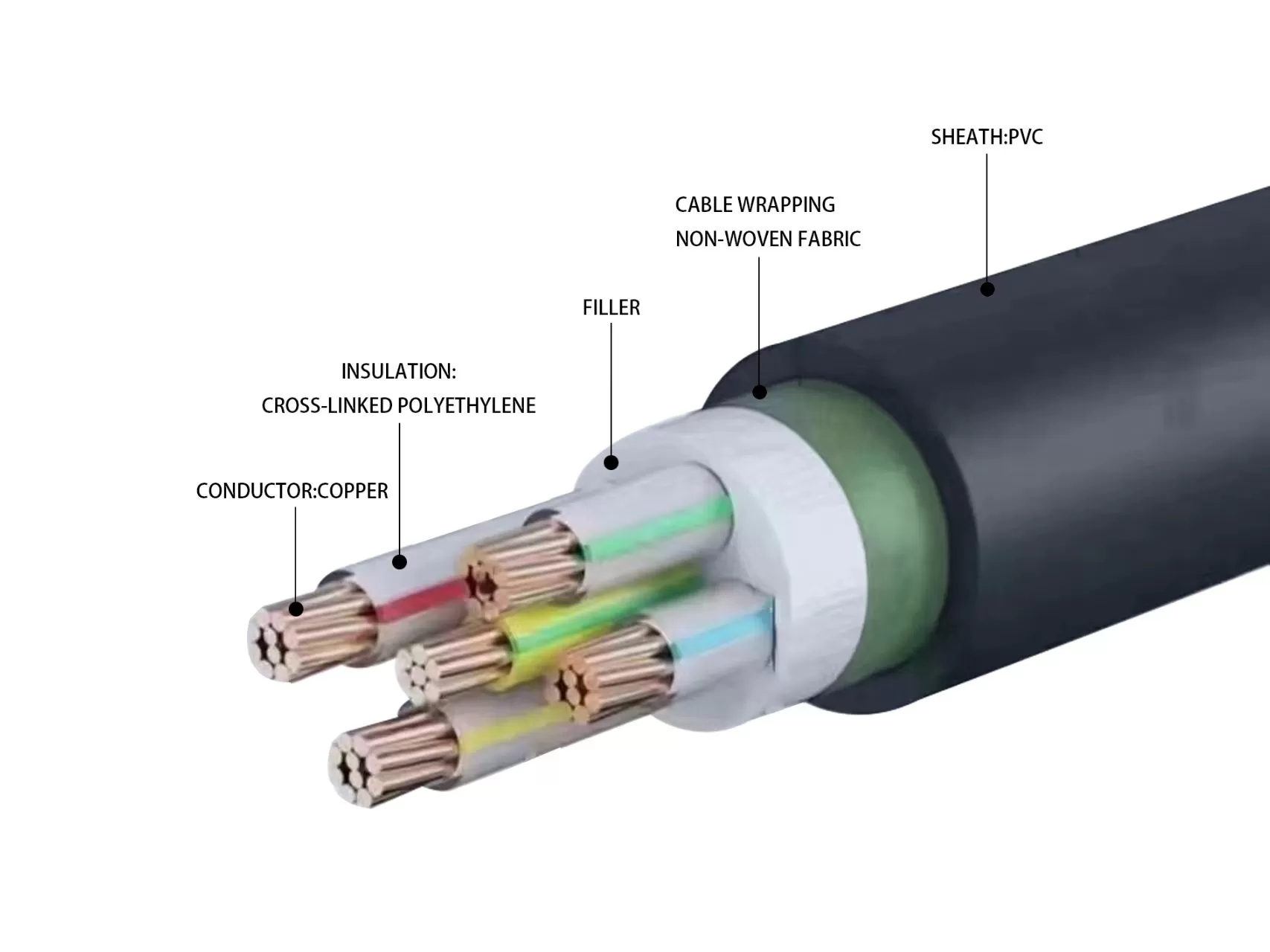
A common power control cable construction pairs power conductors sized to the load with one or more control cores insulated and often screened to protect sensitive signals. The assembly usually has an insulating separator or inner bedding between the two functions to avoid thermal and electrical interaction. The outer jacket protects the whole assembly against mechanical abuse, oils and environmental exposure. Quality manufacturers publish conductor AWG/mm², insulation thickness, shield type and jacket compound — those numbers tell you whether the cable suits a motor starter, a control cabinet trunk, or a VFD-fed drive.
A critical starting point for any specification is conductor sizing. Power conductors must be sized to current-carrying requirements and voltage-drop tolerances; control cores must be sized for the signaling method (digital, analogue or discrete contact returns). A power control cable that mixes, for example, 3 × power conductors for a motor with several 18–22 AWG control pairs for sensors removes the guesswork for installers and keeps related wiring within the same cable tray or conduit.
When power and control live in proximity, electromagnetic interference is the main technical risk. Proper shielding of control cores and separation from high-current conductors is essential. Many power control cable designs use foil or braid shields around the control pairs and an overall shield around the whole assembly. Where variable frequency drives (VFDs) and PWM rectifiers exist, select cable constructions that explicitly list VFD compatibility and have adequate surge and impulse resistance to preserve signal fidelity.

Jacket chemistry is not cosmetic — it defines the cable’s lifespan. PVC jackets are economical and commonly used indoors; LSZH/FRNC jackets are chosen where low smoke and halogen-free behavior is required; polyurethane or heavy-duty compounds are used where abrasion or oil resistance is needed. For outdoor or buried runs choose UV-stable and moisture-resistant jackets. A power control cable should be specified with the environment in mind rather than defaulting to a generic part.
If a power control cable will be installed in a dynamic application — such as a cable carrier, moving gantry, or robotic arm — choose flex-rated constructions with fine-stranded conductors and elastomeric insulation. For static building or tray installations, fixed-lay constructions with coarser strands may be more economical and equally durable. The choice affects fatigue life and long-term maintenance; tell your supplier whether the cable will move so they can recommend the correct flex rating.
In heavy-duty contexts — tunnels, buried ducts, or factory floors with pallet traffic — armoured power control cable options exist with steel tape or braided armour. Armouring protects against crush, cutting and rodent damage. Where mechanical risk is low, avoid over-armouring because it adds weight and reduces flexibility. The best specification balances expected exposure with ease of handling.
Installation practice often determines whether a power control cable meets its potential. Maintain bend-radius rules during pulls, avoid tight conduit runs where the assembly might experience repeated stress, and separate power feed sections from sensitive control cable terminations where possible. When pulling through long ducts, use intermediate rollers and continually monitor pull tension to avoid damage to the separator or insulation. Proper glands and strain reliefs at panel entry points preserve shield terminations and prevent moisture ingress.
A screen becomes effective only when correctly terminated. For the control cores inside a power control cable, provide a clear screening policy in the drawing notes: single-point earth at the controller cabinet for sensitive low-voltage pairs, or de-energized bonding on both ends when the application demands equipotential bonding. Use dedicated drain conductors to ease termination and prevent ground loops. Technicians who follow a documented screen termination guideline reduce field failures and unwanted noise.
When purchasing power control cable, demand the datasheet, factory test certificates and, for large runs, sample reels. Useful acceptance checks include conductor resistance by core, insulation resistance, shield continuity and, for the power core, a loaded voltage-drop test. For VFD-fed systems request impulse testing and vendor confirmation that the construction matches drive-cleared specifications. Reputable suppliers will provide the numbers; if they cannot, treat that as a risk flag.
Typical scenarios that benefit from a power control cable include machine tool centres where drives, heaters and sensors are grouped; conveyor sections with local PLCs and VFDs; building services where lighting panels and sensor buses are collocated; and pump stations where motor feeders and level-control circuits share routing. In each case the power control cable reduces conduit fill, simplifies the route plan and lowers labour during commissioning.
A power control cable that’s underspecified will cost more over its life in troubleshooting, downtime and rework than the initial saving. Buying to duty — defined by current, temperature, movement and exposure — reduces replacements and avoids field surprises. Work with suppliers who publish production traceability and who can lock part numbers for large projects; consistent manufacturing removes “batch-to-batch” drift and stabilizes long-term maintenance.
Ask potential vendors for the following: full datasheet (with conductor, shielding and jacket details), factory test certificates, sample reels for in-situ verification, delivery lead times and any project-specific approvals (UL/IEC/ABS as needed). Also verify their technical advisory capability: can they confirm VFD compatibility, recommend an armour level, or give guidance on screen termination? A partner who answers these questions reduces engineering risk.
Treat the power control cable decision as a small engineering project: capture load and signal needs, ask suppliers for the explicit construction that matches those needs, request sample reels where motion or VFD exposure is present, and codify termination practice in installation documents. Do those steps up front and the cable becomes invisible infrastructure — reliable, maintainable, and low-cost over the asset’s life