Feb. 16, 2026
When electrical systems must run reliably in freezing or sub-zero environments, the cable you choose matters as much as transformers, switchgear and motors. A standard industrial cable may be certified for ambient conditions, but when temperatures plunge — whether in outdoor winter operations, high-latitude mines, refrigerated warehouses or Arctic project sites — conventional materials can stiffen, crack and fail. That’s why a MYP cold resistant cable is designed to meet those unique challenges. It combines flexible conductors with elastomeric insulation and engineered cold-tolerant jackets that remain pliable, resilient and electrically sound when ordinary cables would harden and degrade.
This guide explains what makes a cold-resistant cable perform, how to choose the right construction for your application, what technical evidence to require from suppliers, and installation and maintenance practices that keep the cable delivering long service life in extreme cold conditions.
A cable specified as cold resistant must do more than operate electrically at low temperatures: it must also resist mechanical degradation caused by temperature-induced stiffening and embrittlement. In cold climates, polymer compounds commonly used in standard cables can harden, crack under flex or impact, and lose both flexibility and mechanical protection. A MYP cold resistant cable addresses these failure modes at the material level:
Elastomer insulation retains dielectric strength while remaining flexible at low temperatures.
Elastomer sheathing resists embrittlement and cracking under repeated movement or impact.
Fine-stranded conductors reduce localized stresses during bending and flexing in cold environments.
Mechanical test evidence confirms compound performance at specified minimum temperatures.
In other words, cold resistance is achieved by selecting and formulating materials that maintain flexibility and mechanical integrity even in freezing or sub-zero conditions.
Understanding how these cables are built helps you specify them correctly:
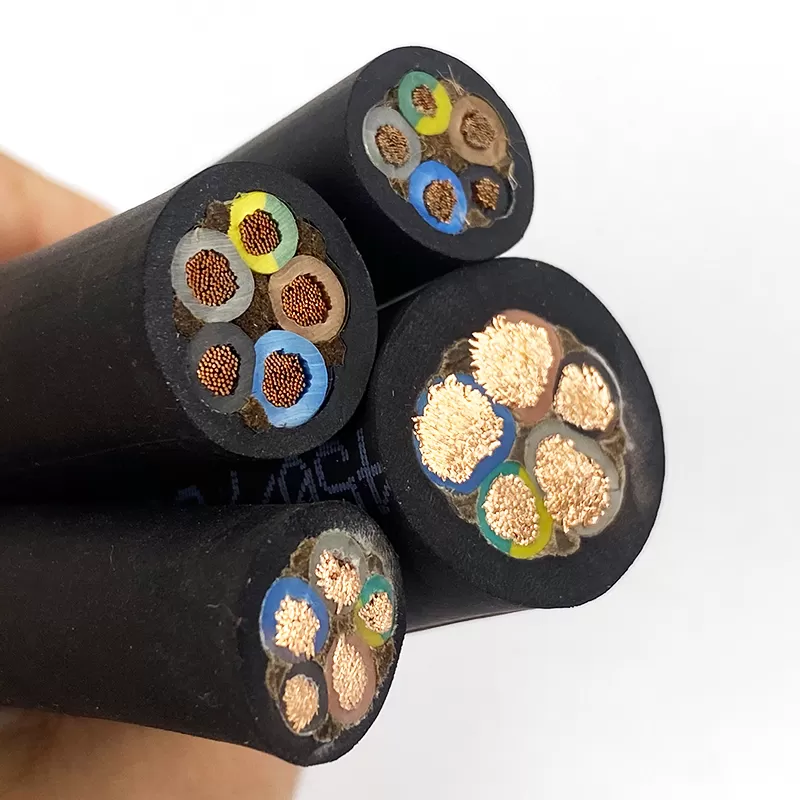
Copper is the preferred conductor because of its ductility and high electrical conductivity. In a MYP cold resistant cable, the conductor is finely stranded (Class 5 or higher) so it tolerates repeated flexing at low temperatures without internal strand breakage. For some environments, conductors may be tinned to improve corrosion resistance, especially where moisture and condensation may mix with frost.
The insulation layer next to the conductor must maintain its dielectric properties under thermal stress. Elastomeric materials such as EPR (ethylene-propylene rubber) or EPDM (ethylene-propylene diene monomer) remain flexible at low temperatures — a key attribute for cold resistance. This layer keeps the electrical separation intact even when the cable flexes during installation or operation.
The outer jacket is where cold tolerance is most visible. Specialized elastomer compounds (e.g., chlorinated polyethylene, neoprene blends or purpose-formulated cold-flex rubbers) are chosen because they resist embrittlement and retain mechanical resilience at low temperature ranges where standard jackets would crack.
Where interference control or a controlled grounding path is needed, some cold-resistant MYP cables incorporate a metallic braid or tape. This does not affect temperature performance directly but ensures electrical integrity in complex installations.
In areas where mechanical impact or crushed routing is likely — such as frozen gravel corridors or outdoor snowy yards — reinforcement can be added without compromising the cable’s ability to flex at low temperatures.
Each element must be specified based on the operational temperature range and expected mechanical challenges.
Cold environments don’t just lower temperatures: they change the mechanical behavior of most materials. Conventional cable jackets can become brittle, losing the ability to absorb impact or wear without cracking. Repeated flexing — common in trailing leads, reeling systems or movable power feeds — further stresses materials. Water exposure in freezing conditions, followed by thaw cycles, can exacerbate material breakdown over time. These factors make cable failures in cold climates more frequent and harder to predict unless the cable is designed for cold resistance.
An MYP cold resistant cable addresses these risks directly by specifying insulation and jacket formulations that remain pliable and robust at lower temperatures. When cables flex and bend without cracking, the electrical integrity is preserved, and failures due to mechanical degradation are minimized.
Choose your MYP cold resistant cable by defining measurable target conditions rather than vague descriptors like “cold-proof” or “suitable for winter.” Start with these criteria:
Specify a numeric minimum temperature rating (e.g., –40 °C, –50 °C) that reflects the lowest expected site temperature plus safety margin. This rating guides insulation and jacket compound selection.
Ask for flex-cycle tests conducted at the minimum operating temperature. This reveals how the cable behaves when repeatedly bent or spooled while cold — a critical insight for mobile applications.
In cold, jackets must still resist mechanical wear and incidental impacts. Request quantitative abrasion test results and tear strength metrics at low temperature.
Cold sites often involve mixed hazards: oil, antifreeze, snow melt, and saline sprays. Specify chemical compatibility tests for the expected contaminants.
At low temperature, elastomers can stiffen slightly, so confirm the minimum bend radius recommended at operating temperature and plan installation accordingly.
Measurable criteria like these ensure you get a cable that performs as intended rather than relying on general claims.
Cold outdoor industrial sites:
Equipment feeds in sub-zero outdoor climates require cables that can be moved and routed without cracking. Trailing leads for mobile units and crane feeds are common use cases.
Arctic mining facilities:
Mines located in high latitudes need flexible power distribution for mobile machinery even when ambient temperatures remain well below freezing.
Reeled power systems in cold yards:
Plant yards with reeling drums for feeder redistribution need cables that can handle thousands of cycles without embrittlement.
Cold storage warehouses and refrigerated facilities:
Long power runs in refrigerated zones and freezer areas demand cables that retain flexibility and electrical integrity at low temperatures.
Portable power in winter construction sites:
Temporary power feeds deployed in winter conditions must remain flexible for installation and safe throughout the project life.
In each case, failure to use a cable designed for cold conditions leads to repeated repairs, higher maintenance cost and unexpected downtime.

When procuring an MYP cold resistant cable, ask for these items:
Detailed material datasheets showing insulation and jacket compound chemistry and temperature performance.
Low-temperature mechanical test results — especially flex-cycle data and impact resistance at specified minimum temperature.
Per-reel factory certificates including insulation resistance, dielectric/hipot results and DC resistance.
Abrasion and tear test data at low temperature for the chosen jacket compound.
Termination and gland recommendations that match the cold-rating of the jacket.
Installation handling instructions specific to your low-temperature environment.
Insist that each reel is marked with a lot number linked to the test data; this traceability ensures that what was tested is what arrives on site.
Even the best cable can be damaged by incorrect handling. Use these best practices in cold environments:
Maintain proper bend radius at all times, especially at terminations. Cold makes elastomers slightly stiffer; avoid forcing tight bends.
Warm cable before installation if extremely cold — bring reels indoors or use gentle heating to reduce initial stiffness for routing.
Use compatible glands and strain relief designed for low-temperature elastomers so mechanical and sealing integrity is not compromised.
Avoid dragging cable across frozen edges or sharp surfaces — use smooth rollers or protective guides.
Label and record reel lot numbers during installation so performance can be traced back to factory tests if needed.
These steps preserve the engineered properties of an MYP cold resistant cable and reduce early failures.
Regular maintenance extends service life:
Visual inspections for cuts, abrasions, kinks or cracking, especially after temperature extremes.
Insulation resistance testing at intervals to detect moisture ingress or insulation degradation.
Thermal imaging at terminations to locate resistive heating before damage occurs.
Scheduled replacements based on measurable wear rather than waiting for complete failure.
Tracking performance and failures over time helps refine future procurement and maintenance strategies.
Cold environments often coexist with other safety concerns — moisture, chemicals and confined spaces. An elastomer cable designed for cold conditions reduces the risk of mechanical failure leading to electrical faults in hazardous areas. Although a true MYP cold resistant cable may cost more per meter than generic flexible cords, the total cost of ownership is lower when uptime is a priority. Fewer emergency repairs, less unplanned downtime and reduced maintenance labor contribute to overall savings and improved safety outcomes.
When you request quotes for a MYP cold resistant cable, include these fields to get meaningful, comparable responses:
minimum operating temperature rating
flex-cycle test protocol and pass criteria at that temperature
insulation and jacket compound names and datasheets
abrasion and tear test results at low temperature
minimum bend radius at operating temperature
per-reel factory test certificates (insulation resistance, dielectric, etc.)
recommended glands/boots for the elastomer chemistry
lead time, MOQ and spare-reel policy
Including these items makes vendor quotes easier to compare and acceptance testing more predictable.
Selecting the right cable for cold climates is more than choosing a rated voltage and conductor size. A MYP cold resistant cable is engineered to resist embrittlement, maintain flexibility, and deliver safe power even when the mercury drops. Specify measurable performance criteria, demand traceable factory evidence, apply proper installation practices, and establish a routine inspection program to get the most value from your cable investment. When uptime and safety matter, cold-rated performance is not negotiable — it’s essential.