Feb. 12, 2026
In underground mining and other heavy-duty industrial operations, reliable power connections are central to safety and continuous production. Equipment that moves, reels, or runs in abrasive, wet, and dusty environments stresses electrical cabling in ways ordinary cables cannot handle. That’s why a properly specified MYP 0.66/1.14kV cable is more than a commodity part — it is an engineered system component intended to deliver dependable power under extreme conditions.
A MYP 0.66/1.14kV cable is a rubber-sheathed, metallic-screened flexible cable designed for mobile mining equipment and trailing applications rated for U0/U = 0.66/1.14 kV. This specific rating is commonly used for low-voltage mining machinery power feeds, and cables in this class are optimized to combine flexibility, mechanical protection, and stable electrical performance. In practical terms, selecting the right cable means fewer failures, less emergency maintenance, and safer daily operations.
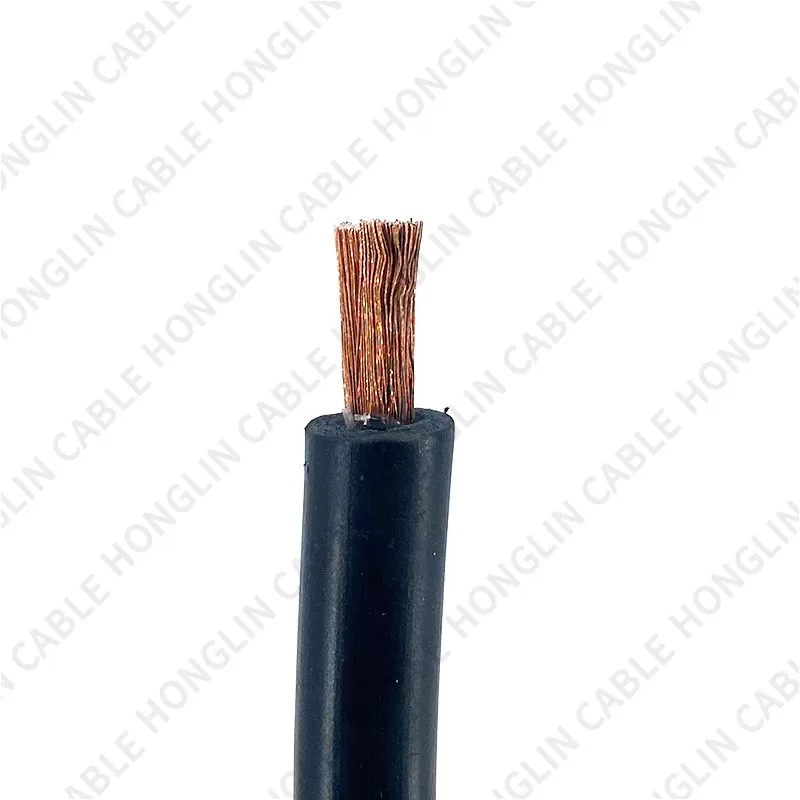
The difference starts with conductor design. A quality MYP 0.66/1.14kV cable is built with finely stranded copper conductors — often tinned for corrosion resistance — that tolerate repeated bending and flexing without conductor fatigue. Fine stranding allows the cable to be coiled, dragged, and curved repeatedly without internal breakage, which is essential for trailing and reeling uses.
The insulation system is the next critical element. Elastomeric compounds such as EPR (ethylene propylene rubber) or specially formulated mining rubbers are used to maintain dielectric strength and remain flexible across wide temperature ranges. These insulations resist thermal aging and chemical exposures common in mining environments, helping to preserve the cable’s electrical integrity over years of service.
A metallic screen or shield is typically applied around the cores in an MYP 0.66/1.14kV cable. The screen reduces electromagnetic interference and provides a controlled ground/return path, important when control and instrumentation circuits share proximity with power cables. Over the screen, a tough outer sheath—commonly chlorinated polyethylene (CPE), neoprene, or other rubber compounds—offers abrasion and cut resistance, oil resistance, and flame performance where required.
Finally, manufacturing and factory testing ensure the cable meets its claimed performance. Reputable suppliers provide test certificates for insulation resistance, high-voltage withstand, mechanical bend cycles, and where applicable, mining authority acceptance. These documents are essential when approving cables for mine use.

A MYP 0.66/1.14kV cable serves several situations where both mechanical and electrical demands are high:
Trailing power for mobile mining machinery: Loaders, shuttle cars, and shearers require trailing cables that are dragged or wound and therefore need excellent flex life and abrasion resistance.
Reeling and spooling applications: Equipment on reels places cyclical strain on cables; the combination of flexibility and jacket toughness in MYP constructions optimizes reeling life.
Temporary power during maintenance: Robust, flexible cables simplify temporary layouts and reduce the risk of damage in short-term installations.
Power to ventilation and pumping systems: These circuits often run through harsh gallery environments and need durable cable solutions.
Control and power proximity runs: Shielded MYP variants minimize electrical noise where instrumentation and power run together.
Choosing an application-matched cable reduces maintenance frequency and protects both personnel and critical assets.
Selecting the correct cable requires matching electrical ratings, mechanical needs, and environmental exposures:
Voltage and current capacity
Confirm that the MYP 0.66/1.14kV cable rating aligns with system voltage and that conductor cross-section supports continuous current with acceptable temperature rise. Oversizing conductors is wasteful; undersizing is dangerous.
Conductor construction
Pick fine-stranded, class-5 or better conductors for high flex requirements. Tinned copper is preferred in damp or corrosive environments for added longevity.
Insulation and sheath chemistry
Choose insulation and outer jacket materials suited to temperature range, oil/chemical exposure, and abrasion risk. Chlorinated polyethylene and neoprene are common for mining because they balance abrasion resistance with flexibility.
Shielding and grounding
If control signals are nearby, specify a screened variant to reduce EMI. Also ensure the cable’s screening and armor (if present) are accounted for in grounding design and fault protection schemes.
Mechanical protection
Where crushing or heavy impact is likely, consider armored variants or reinforced jackets. For reeling applications, confirm the cable’s recommended minimum bend radius and spooling performance.
Certifications and factory tests
Require documented factory test records and, where applicable, national mining acceptance. These documents support procurement and site acceptance testing.
Even the best MYP 0.66/1.14kV cable performs only as well as its installation permits. Follow these field-proven guidelines:
Respect minimum bend radii specified by the manufacturer; tight bends cause stress and heat concentration.
Provide reliable strain relief at terminations to remove tensile loads from conductor joints.
Protect runs from sharp edges and vehicle traffic using trays, rollers, or guides.
Seal terminations properly to avoid moisture ingress which accelerates insulation aging.
Label and document as-built routing so future maintenance teams understand the layout.
Careful installation reduces early failures and ensures the cable delivers its designed service life.
Proactive inspection and preventive maintenance are the backbone of reliable systems:
Visual inspections to spot sheath abrasion, cuts, and deformation.
Thermographic scans at terminations to detect heating indicative of resistance.
Periodic insulation resistance testing to quantify insulation health.
Planned replacement thresholds based on measured degradation rather than waiting for catastrophic failure.
These practices minimize emergency work and improve overall equipment availability.
If your operation runs heavy trailing loads with frequent movement across abrasive surfaces, a MYP 0.66/1.14kV cable with thicker neoprene sheath and tinned conductors will typically outlast a standard flexible cable. For reeling drums, select a formulation tested for spooling cycles and a smaller recommended bend radius. When signal integrity is critical near power lines, choose the screened MYP variant and incorporate proper grounding and bonding practices into the system design.
A properly specified MYP 0.66/1.14kV cable improves both safety and economics. Flame retardant jacket options reduce the risk and consequences of electrical faults; durable jackets and conductors reduce replacement frequency; and reliable performance means fewer unplanned stoppages. When procurement teams evaluate total cost of ownership rather than only first cost, MYP solutions frequently provide better value over their lifecycle.
Work with suppliers who provide transparent factory test reports, material traceability, and documented acceptance under relevant mining or industrial approvals. Ask for sample test data and, if possible, references from similar installations. Reliable vendors also provide guidance on termination accessories and on-site acceptance testing protocols to ensure installed performance matches expectations.
In demanding environments the cable linking your power system to equipment must be selected with care. The MYP 0.66/1.14kV cable is designed specifically to meet the combined challenges of low-voltage mining power feeds: flexibility, mechanical toughness, shielding, and long-term electrical stability. By aligning cable choice with the specific movement profile and environmental demands of your operation, and by following sound installation and maintenance practices, you secure dependable power, safer working conditions, and lower lifecycle costs.
If you are preparing procurement specifications or evaluating bids, focus on conductor stranding, insulation chemistry, jacket abrasion performance, screening, and factory test documentation — these are the elements that determine real in-service durability and value.