Jan. 12, 2026
In industrial automation, building management, energy systems, and complex machinery, signal accuracy and operational stability are non-negotiable. One component that quietly ensures these outcomes is the multicore control cable. Designed to transmit multiple control, monitoring, and low-voltage power signals within a single sheath, this type of cable plays a critical role in system efficiency, safety, and long-term reliability.
As control systems become more compact and interconnected, demand continues to grow for cables that reduce installation complexity while maintaining excellent electrical performance. This article provides a comprehensive, buyer-focused overview of the multicore control cable, explaining why it is widely used, how to choose the right specification, and what makes a high-quality product worth the investment.
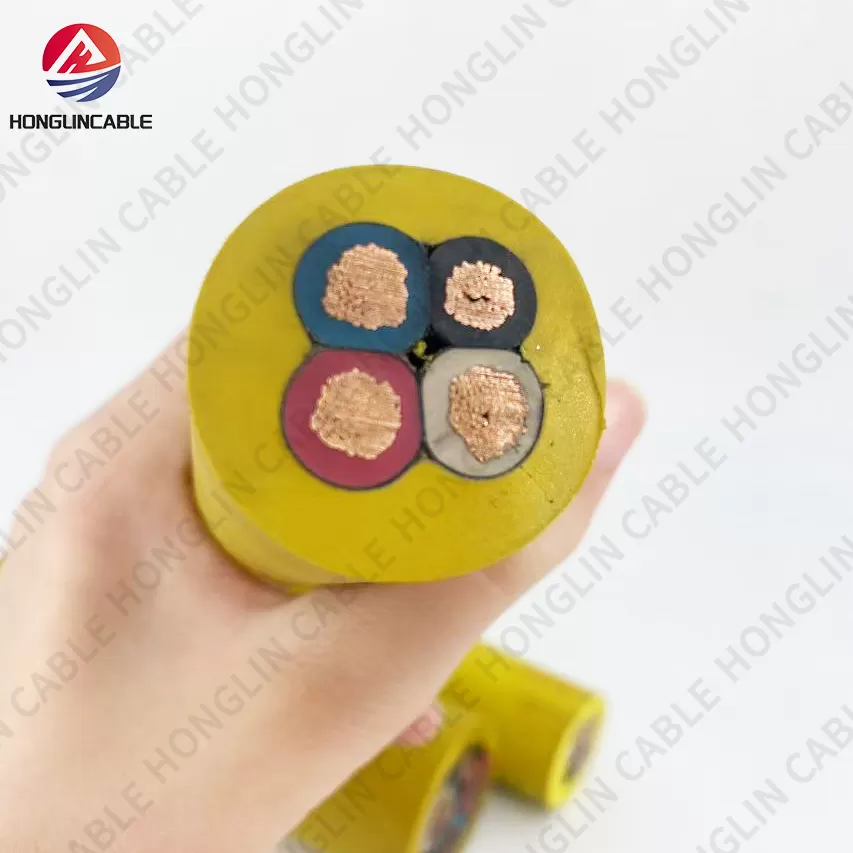
A multicore control cable consists of multiple insulated conductors bundled together under a single outer jacket. Each core carries an individual control or signal circuit, allowing engineers to manage numerous functions with one cable run. Compared with single-core wiring, this structure simplifies routing, minimizes clutter in trays and conduits, and improves overall system organization.
A well-designed multicore control cable maintains consistent electrical characteristics across all conductors, ensuring reliable signal transmission even in electrically noisy environments. For this reason, it is widely used in industrial automation, instrumentation systems, and control panels.
The growing popularity of multicore designs is not accidental. They address several common challenges faced by engineers and installers:
Reduced installation time due to fewer individual cable runs
Improved system aesthetics and easier cable management
Lower risk of wiring errors during installation and maintenance
Enhanced protection of conductors from mechanical damage
By combining multiple circuits into one robust assembly, a multicore control cable helps projects stay on schedule while improving long-term reliability.
Multicore control cables are used across a wide range of industries and environments. Common applications include:
PLC and DCS control systems
Machine tools and production lines
Power plants and substations
Building automation and HVAC systems
Instrumentation and sensor networks
In each of these scenarios, the multicore control cable supports stable signal transmission and reduces system downtime caused by wiring issues.
The conductor is the foundation of any cable’s electrical performance. Most multicore control cables use high-purity copper conductors due to their excellent conductivity and mechanical flexibility. Depending on the application, conductors may be solid or finely stranded.
For fixed installations, standard stranded conductors provide sufficient durability. In applications involving vibration or occasional movement, flexible stranded conductors are preferred. Choosing the right conductor structure ensures that the multicore control cable delivers consistent performance throughout its service life.
Each core within a multicore control cable is individually insulated to prevent electrical interference and short circuits. Common insulation materials include PVC, XLPE, and specialized thermoplastic compounds.
PVC insulation offers a good balance between cost and performance and is widely used in general control applications. For higher temperature resistance or enhanced electrical properties, alternative insulation materials may be selected. Proper insulation ensures signal integrity and contributes to the overall safety of the system.
In environments where electromagnetic interference is present, shielding becomes essential. A shielded multicore control cable includes a metallic layer, such as braided copper or aluminum foil, surrounding the cores.
Shielding protects sensitive signals from external noise generated by motors, inverters, and other electrical equipment. It also helps prevent signal leakage between adjacent conductors. Selecting the correct shielding configuration is crucial for maintaining stable system operation, especially in automation and instrumentation applications.
The outer jacket of a multicore control cable provides mechanical protection and environmental resistance. It shields the internal conductors from abrasion, moisture, chemicals, and UV exposure.
PVC jackets are common for indoor installations, while more robust materials may be required for outdoor or industrial environments. A durable jacket extends the service life of the cable and reduces maintenance costs, making it an important consideration during product selection.
One of the key selling points of a multicore control cable is its installation efficiency. Running a single multicore cable instead of multiple individual cables reduces labor time, simplifies cable routing, and minimizes the need for additional accessories.
From a cost perspective, this efficiency often offsets the higher initial price compared to single-core alternatives. Over the lifecycle of a system, a properly specified multicore control cable can deliver significant savings through reduced installation time and fewer maintenance interventions.
High-quality multicore control cables are manufactured in accordance with recognized international standards. Compliance ensures consistent electrical performance, mechanical durability, and safety.
Buyers should look for products that meet relevant industrial and electrical standards, as this guarantees compatibility with modern control systems. Reliable manufacturers also provide detailed technical documentation, allowing engineers to verify specifications before installation.

Selecting the correct multicore control cable requires a clear understanding of the application requirements. Key factors to consider include:
Number of cores and conductor size
Voltage rating and operating temperature
Shielding requirements
Installation environment and mechanical stress
Matching these parameters to the application ensures optimal performance and minimizes the risk of premature failure.
System downtime is costly, particularly in industrial and energy applications. A dependable multicore control cable contributes directly to operational stability by reducing the likelihood of signal interruptions and electrical faults.
When manufactured with high-quality materials and tested under strict quality control, these cables deliver consistent performance over many years. This reliability makes them a preferred choice for mission-critical control systems.
While it may be tempting to choose the lowest-priced option, long-term performance should always be the priority. Inferior materials and inconsistent manufacturing can lead to insulation breakdown, signal loss, and frequent replacements.
Investing in a well-engineered multicore control cable reduces maintenance requirements and protects valuable equipment. Over time, this approach delivers a lower total cost of ownership and greater peace of mind.
As automation systems continue to evolve, control cables are also advancing. Modern multicore designs focus on improved flexibility, higher data integrity, and enhanced environmental resistance.
Manufacturers are developing new materials and constructions to meet the demands of smart factories and digital infrastructure. These innovations ensure that the multicore control cable remains a vital component in next-generation control systems.
The multicore control cable is far more than a simple wiring solution. It is a carefully engineered component that supports efficiency, reliability, and safety in complex control systems. By combining multiple conductors within a single, well-protected assembly, it simplifies installation while delivering consistent electrical performance.For engineers, integrators, and project managers, choosing the right multicore control cable is an investment in long-term system stability. When specified correctly and manufactured to high standards, it becomes a dependable foundation for modern automation and control applications.
Previous post:
What Makes SY Control Cable Different