Feb. 13, 2026
Understanding the MT mining cable standard is the first step toward safe, reliable and cost-effective electrical installations in mining and tunnelling projects. For engineers, procurement teams and site safety officers, the technical and regulatory landscape can be confusing: multiple cable types exist (trailing, reeling, fixed feeders), national or regional standards may impose different test protocols, and mine operators rightly demand clear evidence that delivered cable assemblies meet acceptance criteria. This guide explains what the MT mining cable standard covers, why it matters in practice, and how to translate its requirements into a procurement specification that yields cables which work in the field.
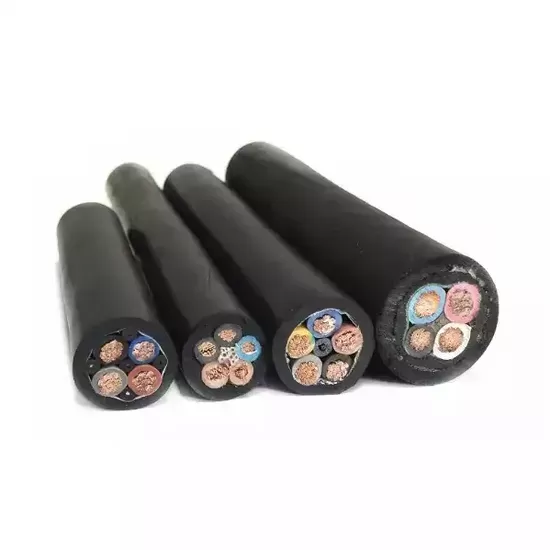
At its heart, the MT mining cable standard defines how movable, flexible and fixed cables for underground and opencast mining should be constructed and tested. It addresses categories of cable suited to trailing applications, reeling drums, mobile transformer feeds and semi-fixed feeders. The standard specifies conductor construction, insulation chemistry, screening where required, outer jacket materials, electrical performance tests and mechanical endurance tests such as bending/fatigue cycles and flame tests relevant to enclosed environments.
For anyone specifying cables for mining, understanding which MT part applies to your use case is critical: different parts of the standard can govern flexible trailing cables, high-capacity reeling cables, or medium-voltage flexible feeders. The MT mining cable standard therefore functions both as a technical rulebook and as a procurement checklist — it tells you what test evidence to ask for and what performance to expect in operation.
Miners work in confined spaces with limited evacuation routes. Cables that fail can cause fires, loss of power to critical ventilation, or unsafe equipment stoppages. Compliance with the MT mining cable standard reduces these risks by imposing minimum construction and test requirements that target the real failure modes found underground: conductor fatigue from repeated bending, jacket abrasion and cutting, moisture ingress, and poor terminations.
From a procurement standpoint, requiring MT compliance simplifies acceptance on site. If a cable is specified against the correct MT part and delivered with clear factory test certificates, acceptance testing becomes an administrative confirmation rather than an open technical dispute. That reduces schedule risk and helps maintenance crews plan for long-term lifecycle support.

A well-written cable specification based on the MT mining cable standard contains several concrete sections: electrical rating, conductor geometry, insulation chemistry, screening/earthing, jacket chemistry, mechanical protection, factory tests, and documentation to be supplied at delivery. Below is a practical checklist you can copy into tender documents.
1. Electrical rating and conductor sizing
Specify the U0/U voltage class and the acceptable conductor cross sections. The MT standard references common classes used in mining; your specification should list continuous current, ambient temperature assumptions, and any expected ambient extremes.
2. Conductor construction
Demand flexible, finely stranded copper conductors (and tinned plating if corrosion is a concern). Define the conductor class to ensure bend life in trailing/reeling applications.
3. Insulation system
Select elastomeric insulating materials rated for mechanical stress and thermal endurance. State the minimum insulation thickness if the standard or your application requires it.
4. Screening and armor
Where control cables and power cables run together, require metallic screening for EMI mitigation and a clear screen bonding plan. If crushing or heavy impact is anticipated, specify armoring options and how armor will be terminated and bonded.
5. Outer sheath chemistry
Choose jacket materials that resist abrasion, oil and chemical attack in your environment. If fire behavior is a concern in tunnels or confined galleries, specify low-smoke, halogen-free or flame-retardant jacketing in line with the standard’s relevant clauses.
6. Mechanical performance
Include bending cycle or flex-fatigue tests and minimum bend radius requirements. These items are central to meeting the MT mining cable standard for movable and reeling types.
7. Factory testing and documentation
Require insulation resistance, high-voltage withstand, continuity, and bending test certificates for each batch. Ask for traceable test reports and a factory acceptance record that correlates to the delivered reel or coil.
8. Identification and marking
Request clear print marking on the jacket with manufacturer name, standard part number, voltage class, conductor size, and lot number for traceability.
This checklist turns abstract standard clauses into operational procurement requirements that suppliers can bid to and that site teams can verify on delivery.
Specifying in accordance with the MT mining cable standard may raise the initial purchase price versus non-rated cordage, but the lifecycle economics typically favor compliant products. Derated insulation, premature abrasion, or untested flex life are common causes of mid-life cable failure; each failure costs not only the replacement cable and direct labor but also lost production time and the scheduling pain of emergency repairs. When cables are selected and tested to the standard, failures become rarer and predictable maintenance windows replace surprise outages. The effect on total cost of ownership is tangible.
Even standards-compliant cable performs poorly if installed incorrectly. The following practices reduce risk and align installation with the MT mining cable standard intent:
Respect minimum bend radius and cable handling limits. Tight bends and rough pulls stress conductors and insulation.
Use specified glands and boots for terminations and ensure proper strain relief. Terminations are the most common failure points.
Seal splices and joints against moisture and contaminants. Use acceptance-grade sealing kits and confirm compatibility with jacket chemistry.
Perform acceptance tests on site and compare them to factory reports. Simple checks (insulation resistance, visual checks, continuity) should match factory values.
Record as-built routing and store test documentation in a central register. Traceability helps with warranty claims and future maintenance planning.
These measures align operational practice with the safety and durability ambitions of the MT mining cable standard.
When evaluating suppliers for MT-compliant cable, look for three concrete deliverables at minimum: (1) explicit statement of which MT part the product conforms to; (2) batch-level factory test certificates (insulation resistance, high-voltage, mechanical/flex tests); and (3) traceable batch marking on the cable. Ask for factory acceptance procedures and, where possible, request photographic or instrumented evidence of bend-cycle tests for the specific compound used in the jacket.
Good suppliers will also offer technical support for termination workmanship, on-site testing protocols, and guidance on splice kits compatible with jacket chemistry. These services are worth specifying in contract terms, because expert support reduces the likelihood of installation-related failures.
Pitfall: Accepting generic “flexible cable” language without reference to the MT series.
Avoidance: Insist on the precise MT part number and require factory tests citing the MT clauses.
Pitfall: Underestimating environmental attack (oil, slurry, chemical exposure).
Avoidance: Require jacket chemical resistance data and field references in comparable environments.
Pitfall: Relying only on visual acceptance.
Avoidance: Always require basic electrical checks and compare to factory test figures before energizing.
By anticipating these traps, teams reduce procurement risk and operational surprises.
A mid-scale underground operation re-specified its trailing power cable procurement to require MT-part compliance and mandatory batch test certificates. Over the next two years the mine reported a 60% reduction in cable-related stoppages on mobile face equipment. Maintenance reported fewer emergency splices and the procurement team saved cost through fewer urgent deliveries and reduced production disruption. While the example is illustrative, it shows how aligning procurement with the MT mining cable standard converts safety and quality into measurable uptime improvements.
When drafting your next cable tender, include these items to reflect the MT mining cable standard and get supplier bids that are directly comparable:
Exact MT part reference applicable to the cable type.
Voltage class, conductor sizes and acceptable conductor stranding class.
Insulation and jacket material specification and ageing/chemical resistance data.
Screening/armoring requirements and bonding strategy.
Mechanical performance tests (bend cycles, minimum bend radius).
Required factory test certificates (batch level) and marking traceability.
Installation accessories and approved termination/splice kits.
Supplier support for factory and site acceptance testing.
The MT mining cable standard is the practical backbone for reliable cable selection in mining and tunnelling work. Treat it not as an abstract document but as a procurement tool that gives you measurable performance and test evidence. By converting the standard’s clauses into actionable tender items, insisting on factory tests and traceability, and applying disciplined installation and maintenance practices, you protect personnel, reduce downtime, and improve the total lifecycle value of your electrical systems.
If you’d like, I can convert the checklist above into a ready-to-issue tender section or into a one-page technical table listing MT parts and the typical cable types they govern — ready for insertion into your procurement documents.