Feb. 25, 2026
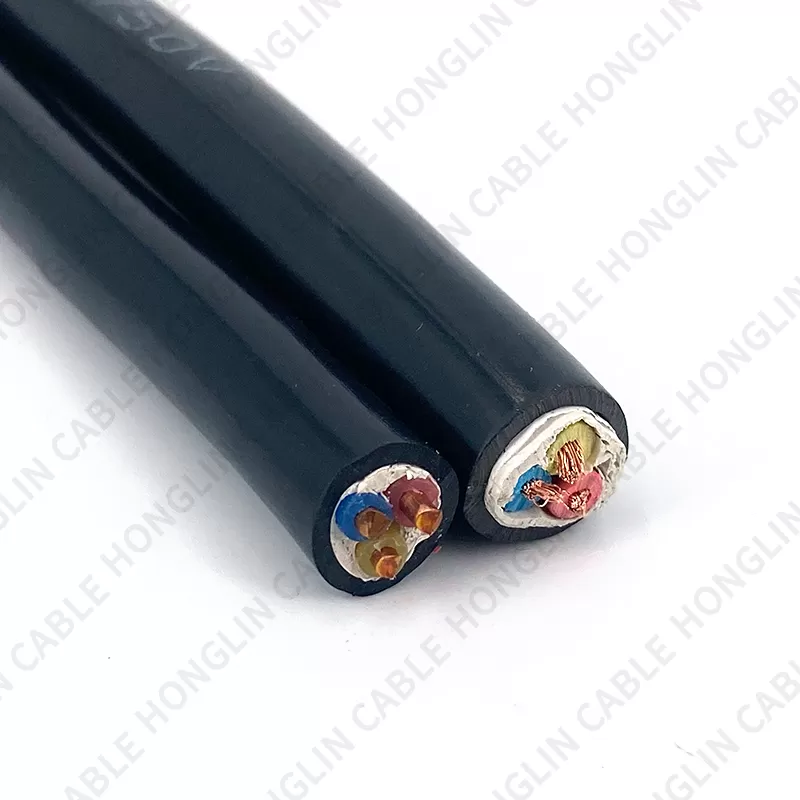
Good lighting is the simplest and most effective safety improvement you can make underground and in harsh surface mine environments. But lighting is only as reliable as the cabling that delivers it. A well-specified mining lighting cable is a purpose-built product that links lamps, portable reels and fixed fixtures while surviving moisture, abrasion, chemical exposure and repeated handling. Specify the right cable and you reduce unscheduled outages, simplify maintenance and protect crews. Specify the wrong one and you’ll be fixing splices in muddy drifts and replacing reels more often than you’d like.
This guide gives clear, actionable guidance for buying and deploying mining lighting cable: construction features to demand, how to choose between portable and fixed systems, what test evidence to require from suppliers, and installation and maintenance practices that preserve service life.

Unlike ordinary building wiring, a mining lighting cable faces multiple compounding hazards:
frequent movement and reeling for portable lighting setups;
abrasive contact with rock, metal edges and cable guides;
wet conditions, splashes and possible immersion in washdown areas;
oils, hydraulic fluids and cleaning chemicals;
dust, mud and physical impacts from tools and material handling;
confined spaces where smoke and fire behaviour are critical.
Every specification decision — conductor strand construction, jacket chemistry, water-blocking options or flame behavior — should be driven by these real conditions rather than price alone.
A mining lighting cable is an engineered assembly. Here’s what to look for, layer by layer:
Conductor — For portable reels and jobsite lighting, choose finely stranded copper (high strand counts) so the cable flexes and spools without internal strand breakage. For bulbs and small luminaires, smaller cross-sections (e.g., 0.75–2.5 mm²) are common; ensure strand class matches the flex profile.
Insulation — Elastomeric or crosslinked insulation maintains pliability in cold drifts and resists cracking under flex. PVC is used in some fixed and dry applications, but for portable or wet routes prefer elastomeric options that resist abrasion and cold embrittlement.
Water-resistance and water-blocking — For cables exposed to splash or temporary immersion, choose jackets with low water absorption and consider water-blocking tapes or gels for runs that risk long-term moisture pathways.
Outer jacket — The jacket compound is the visible, working surface. For mining lighting cable, common choices include tough PVC for dry fixed installations, TPU for high-flex portable reels, or CPE/neoprene blends where oil and chemical resistance is vital. Material datasheets and abrasion indices are your objective measures.
Color and marking — Brightly colored jackets help locate lighting cables in dim faces; clear reel and meter markings improve inventory and maintenance tracking.
Mining lighting cable is commonly used in three ways: portable reel lighting, fixed ring mains and temporary job-site runs. The selection varies by use.
Portable reel lighting
Portable reels must spool cleanly and survive repeated deployment. For this use, prioritize high strand counts, flexible jacket compounds (e.g., TPU or soft elastomer), and a minimum bend radius compatible with the spool. Reeling tests at your chosen drum diameter are invaluable — ask suppliers for cycles-to-failure test evidence. If the reels travel through damp or oily areas, insist on water- and oil-resistant jackets.
Fixed ring mains
Fixed lighting runs that are installed on trays or behind conduit can use slightly stiffer constructions focused on mechanical protection and long life. Here flame performance, low-smoke behaviour and UV resistance for surface runs can be important. Choose jacket compounds and insulation that meet the site’s fire and smoke requirements.
Temporary job-site lighting
Temporary feeds for maintenance or stops need a compromise: flexible, rugged, and easy to terminate. For these hybrid uses, a robust TPU or reinforced elastomer jacketted mining lighting cable often provides the best trade-off.
Use case drives the cable choice — don’t default to the cheapest flexible cord.
Vague phrases like “suitable for mining” aren’t actionable. Use these measurable fields in RFQs:
Voltage class and conductor size (e.g., 110 V lighting circuits, conductor cross-section and strand count).
Conductor strand class (explicit strand counts or flex class).
Insulation type and thickness (material name and dielectric properties).
Jacket compound and minimum thickness (name the material and demand datasheets).
Minimum bend radius and recommended spool/drum diameters for portable reels.
Abrasion index, tear strength and cold-flex ratings (numeric test results).
Water absorption / hydrolytic stability values and water-blocking details if used in wet runs.
Flame and smoke performance where applicable (test standards and pass criteria).
Per-reel test certificates showing continuity, insulation resistance, dielectric tests and any mechanical test reports — with lot numbers printed on each reel.
Termination/gland kit recommendations and compatible accessories.
When each vendor returns numeric test results for these items, you can compare offers like for like.
Don’t accept reels without verification. A short acceptance checklist prevents headaches:
Visual inspection — consistent print marking, no extrusion flaws, correct color coding and reel labels.
Continuity and insulation resistance tests on a sample length — verify against factory certificates.
Sample flexibility check — uncoil a short run to confirm the claimed bend radius and feel.
Review per-reel certificates — ensure electrical and mechanical test results match the reel lot number.
If portable reels are critical, request or witness a spool cycle test on a short sample or require a supplier test report for the same compound and drum diameter.
Quarantine reels that lack matching documentation; install only after verification.
Even the best mining lighting cable will fail early if terminations and routing are poor. Follow these field practices:
Respect minimum bend radius at all terminations and drum interfaces. Tight bends concentrate stress and invite strand breakage.
Use correct glands and strain reliefs sized for the jacket material; incompatible sealants or boots often cause early failure.
Protect cable where it crosses edges with rollers or guide plates and use spiral wrap at predictable wear points.
Keep reels and spare cable protected from UV and prolonged sun exposure on surface sites to avoid jacket degradation.
Label and log reel lot numbers at installation so future failures can be traced to batches.
Good routing and termination practice preserves the engineered durability of the cable.
A lightweight maintenance program adds huge value:
Daily visual checks of exposed runs and portable reels for cuts, gouges and kinks.
Periodic insulation resistance checks (monthly or per site policy) to detect moisture ingress early.
Thermographic checks at multi-lamp junctions where poor terminations can create hotspots.
Record spooling/unspooling cycles for portable reels and retire them prudently before expected end-of-life.
Track performance by lot number and feed back findings to procurement to improve future buys.
Proactive inspection is cheaper than emergency splicing in a dark, wet drift.
Mining lighting cable selections must respect site electrical safety rules and emergency procedures. Consider flame and smoke behaviour for runs within escape routes and confined spaces. Where low smoke or halogen-free materials are mandated, include those requirements in the RFQ. Ensure protective devices (ground-fault protection, RCDs) are sized and installed for lighting circuits to reduce shock risk in wet conditions.
A quality mining lighting cable can seem more expensive per metre than generic cords, but the total cost of ownership favours correct specification: fewer replacements, less emergency maintenance, higher crew safety and fewer production interruptions. Treat lighting cabling as infrastructure — invest in durability and you reduce lifetime cost.
voltage class and conductor mm² / strand class
insulation type + thickness and datasheet
jacket compound + minimum thickness and material datasheet
minimum bend radius and spool/drum recommendations
abrasion/tear/ cold-flex test numbers (numeric)
water absorption and water-blocking method (if wet exposure)
flame/smoke performance if required by site rules
per-reel certificates (continuity, insulation, dielectric, mechanical tests) tied to reel lot numbers
recommended termination/gland kit and spare parts
lead time, MOQ and spare-reel policy
Paste this list into RFQs to get directly comparable technical bids.
A mining lighting cable is more than a cord — it’s a safety and availability decision. Choose cable based on measurable performance, insist on per-reel test evidence, install with proper glands and guides, and inspect proactively. Do that and your illumination system will stay on, your crews will be safer, and your maintenance team will spend less time fighting cable failures and more time improving production.