Feb. 25, 2026
When a hauling fleet moves millions of tons of material each month, the electrical systems that power loading, conveying and onboard equipment must be not only robust but predictable. Choosing the correct mining haul truck cable is a small decision on paper and a huge one in the field: the right cable reduces emergency repairs, prevents unsafe faults, and keeps scheduled maintenance predictable.
This article walks procurement teams, fleet engineers and maintenance supervisors through everything they need: what makes a haul-truck cable different from ordinary flexible cable, measurable construction and test attributes to require, real selection examples, installation and inspection best practices, and a procurement checklist you can copy into an RFQ.
Haul trucks operate in a punishing environment. Cables are exposed to:
heavy mechanical flexing and repeated reeling;
abrasion from rock and chassis contact;
impacts from tools and falling debris;
oil, hydraulic fluid and fuel contamination;
dust, water and washdown cycles;
thermal cycles and UV exposure for surface fleets.
A purpose-designed mining haul truck cable addresses these hazards through conductor geometry, elastomeric insulations, reinforced jackets and validated mechanical testing. Generic cords simply do not combine the flexibility, abrasion resistance and traceable testing that haul trucks require.
When specifying a mining haul truck cable, focus on these measurable construction features:
Conductor construction — high strand-count copper (flex class) reduces strand fatigue in repeated bending and spooling. For corrosive or coastal sites, tinned conductors give meaningful life extension.
Insulation system — elastomeric insulations (EPR, EPDM or specially compounded rubbers) retain dielectric strength under mechanical stress and temperature cycles; insulation thickness must match the rated voltage and mechanical clearance needs.
Screening & earthing — a metallic braid or concentric conductor ensures reliable fault paths and reduces EMI when power and control cables run together.
Inner bedding and filler — a quality inner bedding prevents local deformation from impacting the insulation and helps balance the cable for consistent winding.
Jacket compound and reinforcement — jacket chemistry (CPE, neoprene, polyurethane blends, or specialty elastomers) drives abrasion, oil, cut and impact resistance. For extreme exposure points consider additional reinforcement or a sacrificial outer sleeve.
Mechanical test evidence — spooling/flex cycles at specified drum diameters, Taber abrasion results, tear strength and impact/puncture tests are the metrics you will use to compare vendors.
Together, these elements create a cable that tolerates the combined mechanical and environmental stresses specific to haul-truck service.

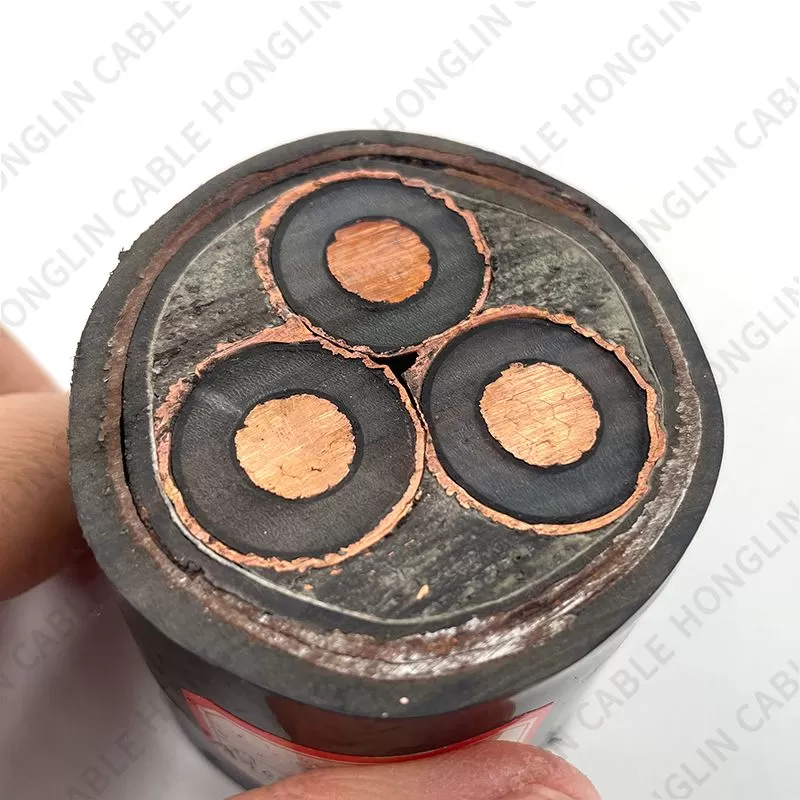
Haul truck installations commonly use single-core flexible power leads for primary feed lines (especially when reeling or heavy movement is involved) because single cores spool cleanly and place less torsional stress on individual conductors. Multi-core assemblies are helpful where multiple circuits (control + power) must be routed as a compact harness without many external terminations.
Ask these questions when you decide:
Will the cable be repeatedly spooled on a drum? If yes, favor single-core designs with validated spooling test data.
Is space constrained and many circuits must be bundled? If yes, evaluate multi-core assemblies designed for haul truck use.
Are there frequent reconnections and terminations? Then minimize onsite joints and prefer cables sized for direct gland entry.
Match cable geometry to movement profile — that match predicts service life more than any single material claim.
Make your RFQ unambiguous by including these fields. Vendors should respond with numeric data and test reports:
Voltage rating and conductor mm² (with ampacity tables).
Conductor strand count / flex class (specific strand counts).
Insulation and jacket compound names plus MSDS.
Minimum bend radius (OD multiples) for routing and drum recommendations.
Spooling/flex cycles to failure at your drum diameter (test protocol and results).
Abrasion/Taber test results, tear strength and cut-through metrics.
Impact/puncture resistance for point-load hazards.
Oil/chemical compatibility data for hydraulic oils and fuels used on site.
Temperature ratings including cold-flex and hot-weather performance.
Per-reel batch certificates (insulation resistance, dielectric/hipot, DC resistance, mechanical test evidence) linked to reel lot numbers printed on each drum.
Termination/gland kit recommendations compatible with jacket chemistry.
When you get numeric reports for each of these items, vendor claims become verifiable and acceptance testing is straightforward.
Surface super-truck fleet with reeling drums: Choose a single-core mining haul truck cable with very high strand count, CPE or PU jacket with high abrasion index, and validated spooling test reports at the actual drum diameter. Require tinned conductors if the fleet operates in coastal or humid conditions.
Underground haul trucks operating in wet drifts: Specify a water-resistant variant with water-blocking inner layers, neoprene jacket for oil resistance, and per-reel dielectric tests. Insist on sealed glands and boots to maintain the cable’s waterproof performance.
Cold-climate yards: Ask for low-temperature flexibility data; not all elastomers remain pliable below −20 °C. A cold-rated mining haul truck cable with tested flex cycles at the low-temperature limit ensures you won’t get brittle failures.
High-impact loading zones: Where loading tools or rock fall create point impacts, require impact/puncture test values and consider an additional protective sleeve or optional armor.
These examples show how matching the cable spec to the site’s dominant hazard prevents repeated failures.
Even the best cable can fail early from poor installation. Apply these practices:
Respect the manufacturer’s minimum bend radius at all terminations and pulleys.
Use glands and strain relieve kits sized for the jacket compound to avoid pull-outs and maintain seals.
Fit rollers, guide plates and protective hoods where the cable contacts chassis edges or abrasive surfaces.
Control spool tension during reeling/unreeling to avoid kinks and internal deformation.
Use approved sealing kits on splices and terminations — improper sealant chemistry often causes the first failure.
Correct installation preserves the cable’s engineered durability and protects warranties.
Put a simple inspection program in place:
Daily: quick visual checks for cuts, flattening or exposed conductors.
Weekly: inspect high-wear points, measure jacket thickness if possible.
Monthly: insulation resistance checks at terminations and trend results.
After major events: re-test and inspect after impacts, overloads or prolonged exposure to contaminants.
Record findings with reel lot numbers so you can correlate field performance to supplier batches and hold vendors accountable if a pattern emerges.
Selecting a certified mining haul truck cable reduces operational risk and supports compliance with site safety rules. While premium cables cost more upfront, the total cost of ownership usually favors quality: fewer emergency repairs, reduced production downtime and lower maintenance labor. Safety benefits — fewer electrical faults in heavy equipment — are paramount and cannot be easily quantified.
rated voltage and conductor sizes with ampacity table
conductor strand count and flex class
insulation and jacket compound names + MSDS
minimum bend radius and drum diameter guidance
spooling/flex cycle test protocol & results at requested drum diameter
abrasion, tear, impact and cut-through test numbers
oil/chemical compatibility data for site fluids
cold/hot temperature performance and flex tests
per-reel batch certificates and reel marking requirement
termination/gland kit compatibility and recommended spares
Use this checklist to get directly comparable technical bids and enforce acceptance criteria.
A mining haul truck cable is not a consumable that you replace when it breaks. It is an infrastructure component that supports uptime and safety. Specify measurable attributes, demand per-reel test evidence, install with proper glands and guides, and maintain routinely. Do that and your fleet will spend more time hauling and less time waiting for repairs.