Jun. 24, 2026
For buyers searching for a low voltage building wire supplier, the market is already telling a clear story. This is not a theory-driven query. It is a procurement-driven query. The current results show a mix of manufacturers, distributors, and product-led catalog pages, which tells us buyers are comparing who can deliver the right specification, the right quantity, and the right level of trust for a real project. The strongest pages are direct about conductor type, insulation type, voltage class, and intended use because those are the facts buyers compare first.
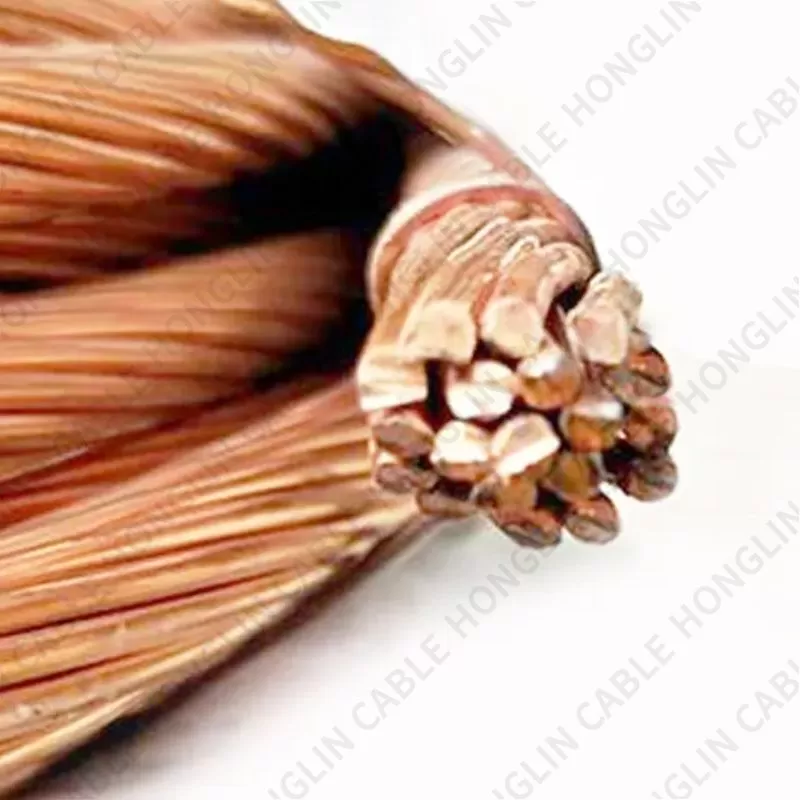
A dependable low voltage building wire supplier starts with copper. The most visible ranking pages repeatedly describe their products as copper conductor with PVC insulation, often in the 300V, 600V, or 450/750V families and designed for fixed or protected installation. LS Cable & System USA, for example, states that its low-voltage offerings include UL-listed 300V and 600V instrumentation, control, and power cables, while Southwire presents low-voltage products alongside building wire and related categories for project use. That matters because buyers are not comparing an abstract commodity; they are comparing a practical wire family that must perform behind walls, in conduit, and in protected routes for years.
That is also why a serious low voltage building wire supplier must make standards clear. The search results repeatedly reference UL-listed products, 300V and 600V ratings, and product families designed for instrumentation, control, alarm, intercom, energy management, and other low-voltage applications. LS Cable & System USA specifically says its low-voltage solutions are built for industrial, utility, and commercial environments, and its product page identifies 300V and 600V instrumentation, 600V control and power cables, and compliance with US industry standards. When a supplier can show those standards clearly, the quotation becomes easier to approve because the buyer can see exactly where the cable fits in the installation.
A good low voltage building wire supplier also knows that one product family is never enough for every project. Search results show single-core solid wire, stranded wire, flexible low-voltage cable, instrumentation cable, control cable, power cable, and other low-voltage solutions. Windy City Wire positions itself as a low-voltage cable manufacturer and cable management specialist, which highlights that buyers are not only buying wire; they are buying a system that can be installed efficiently and supported across the project lifecycle. The suppliers that rank well are the ones that make those categories easy to compare.
The best pages also make their size range obvious. A reliable low voltage building wire supplier will usually cover common sizes for project work, including conductor families that support control and instrumentation circuits, lighting, alarms, intercoms, energy-management systems, and building distribution. Southwire’s low-voltage category and LS Cable & System USA’s product pages both show broad application coverage rather than a single-wire offer. That matters because different circuits require different current loads, and buyers do not want to rebuild their sourcing chain every time they switch from a control run to an instrumentation run.
For contractors and distributors, a low voltage building wire supplier is valuable because the product is designed to disappear into the building and then perform for years without drawing attention. That means the conductor has to be accurate, the insulation has to stay stable, and the cable has to route neatly through conduit, trunking, or fixed protected pathways. Product pages ranking well typically stress flexibility, durability, safety, and standardized voltage classes. In other words, the market rewards cables that make the installer’s job easier and the finished project safer.
The commercial logic is simple. Buyers are not searching for a wire that looks impressive in a brochure. They are searching for a low voltage building wire supplier that can support repeat ordering. The strongest pages in the search results are manufacturer or distributor sites that present product families, stock availability, quotation support, and delivery confidence. Some pages even emphasize regional engineering support or dedicated cable management systems. That is important because procurement teams need suppliers who can do more than sell a single reel; they need partners who can handle the next order, too.
A serious low voltage building wire supplier should also be honest about the difference between rigid and flexible structures. Fixed wiring for building installations often uses solid or rigid conductors, while more flexible building applications use stranded or multi-strand constructions. Search results show both approaches clearly: some products are designed for fixed, protected installation; others are meant for control cabinets, internal machinery wiring, or more flexible installation environments. The best supplier will not blur that distinction. It will help the buyer select the right conductor structure for the exact application.
That distinction matters because the wrong cable can create hidden costs later. A cable that is too rigid may be difficult to pull or terminate in tight spaces. A cable that is too flexible may not be the best choice for permanent fixed wiring in the wall. This is why the best low voltage building wire supplier pages often describe the application in detail, such as building wire for power, lighting, and control, or low-voltage cables for audio, intercom, energy management, and alarm controls. The buyer gets confidence, and the supplier earns trust.
When comparing quotations, the smartest question is not simply “what is the price?” The smarter question is “what does the price include?” A professional low voltage building wire supplier should be able to explain conductor purity, insulation compound, standards compliance, voltage rating, size range, and lead time. Several search-result pages show this clearly by highlighting UL listings, low-voltage families, and broad application-specific catalogs. That information helps the buyer compare value rather than just chasing the cheapest number on the page.

For global buyers, a low voltage building wire supplier with a broad portfolio is especially useful. The page-one results include companies that focus on building wire, companies that focus on low-voltage specialty cables, and master distributors that carry product families across commercial, utility, and industrial environments. This means the market rewards supply depth. Buyers want one supplier who can support residential construction, commercial fit-outs, industrial control wiring, and other low-voltage applications without changing the sourcing process every time the project changes.
If your project involves residential buildings, the right low voltage building wire supplier should be able to support lighting circuits, sensor systems, and internal protected wiring with stable copper-core performance. If your project involves commercial or industrial buildings, the same supplier should also be able to support control wiring, panel routing, alarm circuits, and service circuits while maintaining clear specification control. That is what makes the category so commercially strong: the same supply relationship can serve many different project types.
The search landscape also shows that buyers care about delivery confidence. Several top-ranking supplier pages stress fast response, warehouse inventory, and broad distribution capability. That is not an accident. In construction and industrial work, time pressure is real. A wire supplier is only as good as its ability to get the right material to the project on schedule. A low voltage building wire supplier that can quote quickly, ship reliably, and support repeat orders has a major advantage over one that only offers a price.
Another practical advantage is market coverage. A supplier that offers low-voltage building products across multiple cable families can support not only new construction, but also renovation, expansion, and maintenance work. That matters in fast-growing regions where projects often begin with one phase and continue with additional electrical work later. When the same supplier can provide consistent cable families for the first installation and the follow-up order, procurement becomes simpler, inventory planning becomes easier, and the contractor spends less time rechecking specifications.
Buyers should also pay attention to packaging and order readiness. Cut lengths, reels, and contractor-friendly packing can save labor on site and reduce waste during installation. The best suppliers understand that buying cable is only the first step; the product still has to move from warehouse to project, then from project to completed installation without confusion or damage. A supplier that treats packaging, labeling, and delivery as part of quality is usually a better long-term choice than one that focuses only on the wire itself.
For projects with stricter performance expectations, it is worth asking about insulation thickness, heat resistance, and any flame-retardant options available in the product family. Good insulation stability is not just a technical detail; it is part of installation safety and long-term building reliability. That is why leading supplier pages highlight material uniformity, strong mechanical properties, and compliance with electrical standards. These details help the buyer avoid hidden risks and support a cleaner handover when the project is finished.
In practice, the strongest buying decision is the one that combines specification clarity with supplier consistency. A wire that is technically suitable but hard to reorder creates future problems. A supplier that is easy to contact but unclear about product standards creates risk. The best sourcing outcomes come from suppliers that solve both problems at once: they provide clear cable families, support stable delivery, and keep the quotation process transparent from the first inquiry through repeat orders.
In the end, the best low voltage building wire supplier is the one that makes the whole project easier, not just cheaper on paper. The page-one results make that very clear: buyers want dependable wire they can trust in real installations, clear technical information, and a supplier that can repeat the same build on the next order. Copper conductor, PVC insulation, recognized voltage classes, practical size ranges, and application-specific guidance are what separate a simple seller from a true supply partner. When those pieces match, the buyer gets a product that is easy to install, easy to specify, and easy to reorder.