Sep. 07, 2026
In many industrial and commercial environments, control cables are not just a technical component. They are part of a system that determines whether equipment runs smoothly, whether signals remain stable, and whether installation work stays efficient. Choosing the right cable is therefore not a minor decision. It directly affects performance, safety, and long-term maintenance.
KVVR PVC insulated cable has become a widely accepted solution for these applications. It combines flexibility, reliable copper conductivity, and practical PVC insulation into a structure that is easy to install and dependable in daily operation. For buyers who are sourcing control cables for indoor systems, automation equipment, or electrical panels, this cable offers a balanced and proven option.
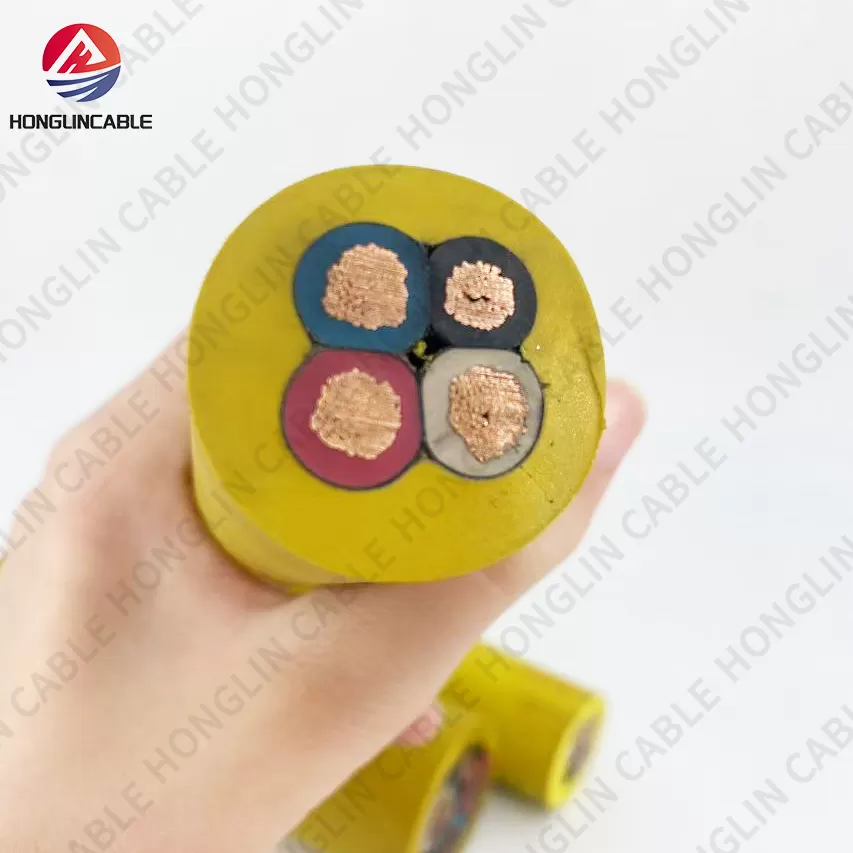
One of the defining features of KVVR PVC insulated cable is its flexible structure. Unlike rigid control cables, it uses fine-stranded copper conductors, which significantly improve bending performance. This flexibility allows the cable to be routed through tight spaces, corners, and complex layouts without creating stress on the conductor.
In real projects, this matters more than specifications on paper. Installers often work in confined control cabinets, machinery interiors, or cable trays where space is limited. A cable that resists bending can slow down the installation process and increase labor costs. KVVR PVC insulated cable reduces that friction by adapting to the installation environment rather than forcing the installer to adjust.
Another important advantage lies in its PVC insulation and sheath. PVC is widely used in the cable industry because it provides a reliable combination of electrical insulation, mechanical protection, and cost efficiency. In KVVR PVC insulated cable, both the insulation layer and the outer sheath are made of PVC, creating a consistent protective structure.
This design makes the cable suitable for indoor control systems where environmental conditions are relatively stable. It performs well in standard temperature ranges and provides sufficient resistance against wear during installation and operation. For most control and signal transmission applications, this level of protection is exactly what is needed—no more, no less.
The voltage rating of KVVR PVC insulated cable typically falls within 300/500V or 450/750V, which aligns with common requirements for control circuits, monitoring systems, and instrumentation wiring. This makes it a practical choice for engineers and procurement teams who need a cable that fits standard specifications without requiring special approvals or redesigns.
Application versatility is another reason why this cable continues to be widely used. KVVR PVC insulated cable is commonly found in:
Industrial automation systems
Control panels and switchgear
Monitoring and signal transmission circuits
Electrical equipment wiring
Machinery and production lines
In many of these scenarios, cables must handle not only electrical performance but also physical movement, vibration, and installation complexity. The flexible copper structure helps absorb vibration and reduces the risk of connection loosening over time.
For buyers, this translates into fewer maintenance issues and more stable system performance.
Another practical benefit is the availability of multiple core configurations. KVVR PVC insulated cable can be produced with a wide range of core counts, often from 2 cores up to dozens of cores, depending on the application. This allows it to support multi-circuit control systems without requiring multiple separate cables, simplifying both installation and inventory management.
From a procurement perspective, this is extremely valuable. Managing fewer cable types reduces complexity in purchasing, storage, and project planning. It also allows for more standardized solutions across different projects.
Durability is another key consideration. While KVVR PVC insulated cable is primarily designed for indoor use, it still offers good resistance to wear, moderate environmental conditions, and regular handling. The PVC sheath protects the internal conductors from mechanical damage during installation and operation, helping extend the service life of the cable.

In addition, many manufacturers offer variations such as flame-retardant versions or shielded types (such as KVVRP), which provide additional protection in specific environments. This flexibility in product variants makes it easier for buyers to match the cable to their exact project requirements.
When comparing KVVR PVC insulated cable with standard KVV cables, the main difference lies in flexibility. KVV cables are typically used for fixed installations, while KVVR cables are designed for situations where movement, bending, or dynamic routing is required.
This distinction is important because using a rigid cable in a flexible application can lead to long-term issues, including conductor fatigue or installation difficulties. Choosing the correct type from the beginning helps avoid these problems.
From a business standpoint, KVVR PVC insulated cable is also an easy product to sell. Its specifications are well understood in the market, and its applications are clear. Buyers do not need extensive technical explanations to recognize its value. This makes it a strong product for distributors, wholesalers, and exporters who want a reliable and repeatable sales item.
For international markets, this cable also aligns well with commonly accepted standards such as IEC and GB, which helps reduce barriers in cross-border trade. Buyers from different regions can evaluate the product based on familiar criteria, making the purchasing process smoother.
Another advantage is its balance between performance and cost. While there are more advanced cable types available, they often come with higher prices and more complex specifications. KVVR PVC insulated cable provides sufficient performance for most indoor control applications without unnecessary cost increases. This makes it an attractive option for projects where budget efficiency is important.
In practical terms, this means better margins for distributors and better value for end users.
Installation efficiency is often underestimated, but it plays a significant role in overall project cost. A cable that is easy to strip, route, and connect can save hours of labor on large projects. KVVR PVC insulated cable is designed with this in mind. Its flexible structure and manageable sheath make it easier to handle during installation, reducing time and effort on site.
For maintenance teams, the benefits continue after installation. A flexible, well-structured cable is easier to inspect, replace, and manage. This reduces downtime and simplifies troubleshooting when issues arise.
In modern industrial environments, reliability is not just about whether a cable works—it is about whether it continues to work consistently over time. KVVR PVC insulated cable supports this requirement by offering stable electrical performance combined with mechanical adaptability.
For suppliers, presenting this product effectively is key to winning orders. Instead of focusing only on specifications, it is important to highlight real-world benefits:
Easier installation
Better flexibility
Stable signal transmission
Wide application range
Cost-effective performance
These are the factors that influence purchasing decisions.
In conclusion, KVVR PVC insulated cable is a practical and reliable solution for indoor control and signal transmission applications. It combines flexible copper conductors with durable PVC insulation, creating a cable that is easy to install, dependable in operation, and widely applicable across industries.
For buyers, it represents a safe and efficient choice. For sellers, it offers a clear and marketable product with strong demand. In a competitive market, products that deliver real value without unnecessary complexity are the ones that continue to succeed.KVVR PVC insulated cable is exactly that kind of product.