Apr. 15, 2026
When an electrical project depends on neat installation, dependable signal transfer, and long service life, the cable inside the system matters more than most people realize. That is exactly where KVVR flexible control cable has built its reputation. It is not a dramatic product, and it does not need to be. Its value comes from doing one job very well: supporting control wiring in environments where flexibility, order, and reliable daily operation are essential. The current search results make that clear, because the pages ranking today focus on technical description, indoor use, and control-system applications rather than general theory.
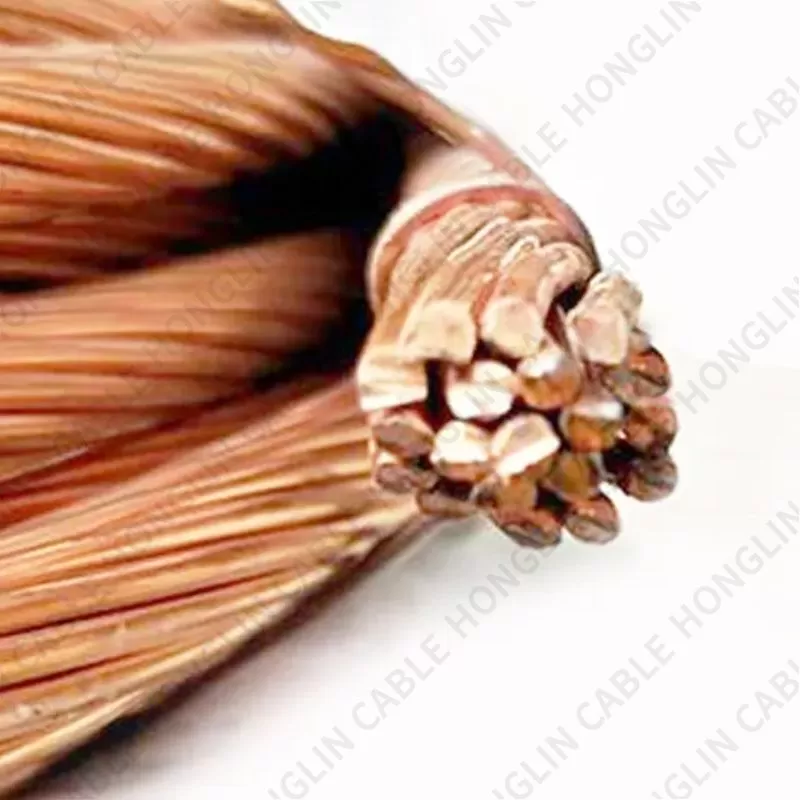
A good KVVR flexible control cable is usually described as a copper conductor cable with PVC insulation and PVC sheath, often rated at 450/750V. That construction is important because it tells the buyer what the cable is meant to do. It is designed for control circuits, monitoring circuits, measuring circuits, and related indoor wiring tasks. It is flexible enough to route through cabinets, ducts, and machine spaces, but structured enough to provide stable electrical performance. Product pages and supplier pages consistently emphasize those traits, which shows that the market already understands the cable’s core value.
In practical use, KVVR flexible control cable is chosen because it makes installation easier. Indoor projects are rarely simple. Control panels can be crowded, routing paths can be tight, and installers often need a cable that bends smoothly without creating unnecessary stress on the wiring layout. A flexible control cable helps reduce that friction. It supports cleaner panel construction, faster installation, and easier maintenance later. That is one reason the search results repeatedly connect KVVR to indoor control wiring and bending-required applications.
For buyers, the appeal of KVVR flexible control cable is also commercial. The product is easy to specify, easy to explain, and easy to position in industrial purchasing. It is not an abstract cable category. It has a clear role in control equipment, instruments, monitoring systems, and low-voltage indoor wiring. Suppliers on the first page repeatedly describe those uses because they match what buyers are actually looking for. That alignment between product structure and application is one reason the cable continues to appear in commercial search results.
A reliable KVVR flexible control cable also gives engineers confidence. In machine building and control cabinet design, wiring quality affects the whole system. A cable that routes cleanly and performs steadily helps support a better final installation. A cable that is poorly matched to the job can create unnecessary problems later. That is why industrial buyers often prefer a product that is already established in the market with a known construction and known application range. The current homepage results show exactly that pattern: factory pages, product pages, and supplier pages all presenting the same cable in slightly different industrial contexts.
One of the strongest advantages of KVVR flexible control cable is its suitability for indoor movement and repeated routing. It is often selected for cabinets, ducts, panels, and equipment spaces where the installer needs flexibility without losing organization. That matters in real projects because installation is not just about electrical continuity. It is also about layout, service access, and future maintenance. A well-chosen control cable can help keep the panel tidy and reduce confusion when technicians need to inspect or repair the system later.
The cable’s PVC structure adds another layer of practical value. Buyers often want a solution that is straightforward, durable, and familiar to work with. PVC insulation and sheathing are widely used in control cable because they support a sensible balance of protection and cost control. That is why so many current product pages for KVVR flexible control cable repeat the same material description. The market is not guessing. It is clearly signaling what buyers expect from this product family.
Another important point is signal stability. In control systems, the cable is often carrying more than basic power. It may be supporting signals that control machinery, relay logic, monitoring functions, or measuring circuits. A cable with the right construction helps maintain dependable performance in those settings. Product pages today repeatedly mention monitoring, control, protection, and measuring distribution equipment, which shows that KVVR flexible control cable is considered a working part of the signal chain rather than just a general-purpose wire.
For manufacturers, distributors, and project buyers, supply consistency matters just as much as product design. A cable that works once is useful, but a cable that can be reordered repeatedly with the same specification is far more valuable. That is why the first-page results include multiple factory and wholesale pages. They are not only selling wire; they are selling stability in supply. A dependable KVVR flexible control cable supplier can help standardize purchasing, reduce sourcing risk, and make future projects easier to manage.
There is also a maintenance advantage that experienced buyers understand well. When wiring is neat from the start, service work becomes easier later. Technicians can trace circuits faster, identify issues more quickly, and work with less frustration. A well-selected KVVR flexible control cable supports that outcome by fitting cleanly into the installation and helping the system stay organized over time. In industrial work, small advantages like this often translate into real savings.
The commercial logic is simple. A cheap cable that causes installation trouble or replacement work can become expensive very quickly. A better cable may cost more at purchase, but it can reduce downtime, labor, and rework. That is why a serious KVVR flexible control cable buyer looks beyond price alone. The right choice is the one that fits the environment, supports stable use, and helps the project run smoothly after installation. The search results reflect this mindset by favoring pages that discuss flexibility, indoor use, voltage class, and application fit.

For control cabinet builders, machine manufacturers, and electrical contractors, KVVR flexible control cable offers a familiar and practical solution. It is easy to recognize, easy to position in a quotation, and easy to justify when the project requires indoor control wiring with flexibility. That makes it useful not only technically, but also commercially. A product with a clear role is easier to sell, easier to buy, and easier to specify again on the next project.
Another reason the market accepts KVVR flexible control cable so well is that it matches how modern indoor systems are built. Cabinets are denser, equipment is more compact, and wiring needs to be both reliable and easy to manage. The cable’s flexible copper construction and PVC protection help it fit into that reality. It supports the kind of installation work that industrial teams actually do every day, which is why it keeps appearing in product listings and factory pages across the search results.
In many projects, customers are not looking for a dramatic innovation. They are looking for a dependable answer. That is where KVVR flexible control cable stands out. It is a straightforward product with a clear purpose, a familiar material structure, and a stable place in indoor control wiring. When the cable is matched correctly to the job, it can improve installation quality, simplify maintenance, and support the overall reliability of the system.
A good supplier should be able to explain the cable in practical terms: what it is used for, where it works best, and why it is suitable for control applications. The current homepage results do exactly that, which is another sign that the market is mature and buyer-led. A well-presented KVVR flexible control cable page should therefore focus on its real strengths: indoor flexibility, stable copper construction, PVC insulation and sheath, and reliable use in control and monitoring systems.
For industrial buyers who value clean installation and dependable performance, KVVR flexible control cable remains a strong choice. It is built for applications where flexibility matters, where layout matters, and where stable operation matters. That combination makes it a practical product for modern control wiring and a sensible option for projects that need both performance and simplicity.