Feb. 13, 2026
When electrical infrastructure has to withstand mechanical stress, moisture, temperature extremes, and constant movement, ordinary cables fall short. A cable built to the GB mining standards is engineered to go beyond basic performance, delivering robust mechanical protection, consistent electrical transmission, and long service life even under repeated abuse. For mines, construction projects, and industrial installations where lives and production depend on reliability, choosing the right GB mining cable is a strategic decision that enhances safety, reduces downtime, and lowers total cost of ownership.
The designation GB mining cable refers to cable products that conform to the national standards for mining use established under the GB (Guobiao) system. These standards specify critical aspects of cable construction, including conductor composition, insulation type, jacket materials, shielding and screening requirements, mechanical performance, fire resistance, and environmental durability.
Unlike generic industrial cables, a GB mining cable must satisfy stringent criteria that reflect real-world mining conditions — where cables may be dragged along tunnel floors, coiled and uncoiled repeatedly, exposed to abrasive debris, and subjected to both vibrational and thermal stress.
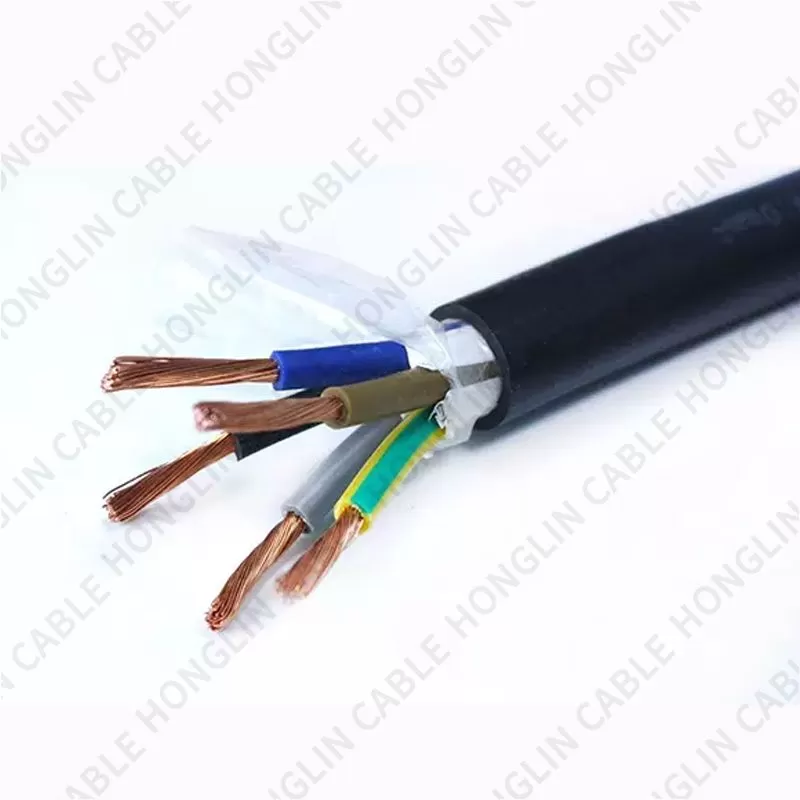
At the heart of any cable is the conductor, and in a GB mining cable it is typically a fine-stranded copper core. Fine stranding improves flexibility and provides greater endurance when the cable is bent repeatedly. This is essential in trailing and reeling applications where constant motion is expected. In many configurations, the conductors are tinned to resist corrosion from moisture or contaminants common in underground environments.
The insulation material used in a GB mining cable is selected for both electrical and mechanical robustness. Elastomeric compounds, such as ethylene propylene rubber, maintain dielectric properties across a wide temperature range and resist chemical exposure, thermal aging, and mechanical stress. Proper insulation ensures that the cable maintains reliable power transmission even in environments that would cause ordinary insulation to harden or crack.
In installations where power and control circuits share conduits or are routed in proximity, electromagnetic interference can compromise signal integrity. Many GB mining cable constructions include a metallic shield or braid that protects control signals and reduces noise and interference, ensuring that automated equipment and communication systems function accurately and dependably.
Perhaps the most noticeable visible element of a GB mining cable is its rugged outer jacket. Materials such as chlorinated polyethylene (CPE), neoprene, or specially formulated rubber compounds provide exceptional resistance to abrasion, tearing, and impact. These jackets are designed to withstand contact with rough surfaces, drag marks from heavy machinery movement, and incidental impacts that would quickly damage less capable cables.

Selecting a GB mining cable is not just about choosing a rugged cable — it’s about aligning with a documented set of performance criteria that have been tested and verified. Compliance with the GB mining cable standard means:
Consistent Performance in Harsh Conditions: The cable has demonstrated endurance in mechanical tests, ensuring it won’t fail unexpectedly under repeated stress.
Safety in Confined and High-Risk Spaces: Properly rated materials reduce the risk of electrical faults, overheating, or fire propagation.
Simplified Regulatory Acceptance: Mines and industrial facilities often face safety audits and regulatory reviews where documentation of cable specifications and test results is crucial.
Reduced Lifecycle Costs: Compliance leads to better durability, which translates into fewer replacements and lower maintenance costs over time.
By insisting on GB-standard compliance, operations planners and maintenance engineers can specify products that deliver dependable performance backed by recognized test standards.
The strength of a GB mining cable becomes most evident when deployed in high-demand scenarios:
Mobile mining equipment such as loaders, shuttle cars, and reeling-drum systems place unique demands on cable flexibility. GB mining cable constructions resist fatigue from repeated bending and coiling, ensuring consistent power delivery without premature failure.
In sections of a mine where power demands are high, and cables run through abrasive pathways, a GB mining cable delivers both electrical capacity and mechanical protection. Its rugged design allows cables to operate in direct contact with rough rock, moisture, and particulate matter without degradation.
Modern mining operations frequently require power layouts that can be reconfigured during maintenance, expansion, or relocation phases. A GB mining cable provides a dependable solution for temporary feeds that must withstand repeated movement and reconnection.
When power and control cables share pathways, reliable shielding and cable integrity are vital. GB mining cable variants that include screening layers ensure that control system signals are protected from electrical noise, leading to more stable automation and instrumentation performance.
Auxiliary systems such as ventilation fans, lighting circuits, and safety monitors often run through rugged environments. A cable conforming to GB mining standards provides the mechanical and environmental protection required to keep these systems operating without interruption.
Choosing the correct cable involves more than looking at the nominal voltage or conductor size. An effective selection process evaluates both electrical requirements and environmental conditions:
Confirm that the cable’s rated voltage and current capacity match the demands of the intended equipment. Overloaded cables overheat and fail prematurely; under-rated cables compromise safety.
For highly mobile installations, select cable designs with appropriate conductor stranding that maintain flexibility without sacrificing conductivity or mechanical strength.
Analyze the chemical and environmental exposures expected in service — moisture, oils, abrasive dust, thermal extremes — and choose insulation and jacket compounds that resist these stressors.
Where noise and control circuits coexist with power cables, choose options with adequate metallic screening and define a grounding and bonding approach that satisfies safety and noise rejection requirements.
In areas with high mechanical impact or crushing risk, consider reinforced jackets or optional armoring protocols while balancing weight and flexibility.
Require factory test certificates that include high-voltage withstand results, insulation resistance figures, conductor continuity, and mechanical fatigue tests. A cable that arrives with a full suite of test data simplifies both acceptance testing and long-term maintenance planning.
Even the highest-quality GB mining cable must be installed with care to deliver its expected lifespan and safety performance:
Maintain minimum bend radii: Excessive bending during routing strains conductors and insulation.
Secure strain relief at terminations: Proper terminations guard against cable pull-out and internal stress.
Protect against abrasive contact: Where cable pathways cross sharp edges or rough surfaces, use edge guards or trays.
Moisture sealing and ingress protection: Seal termination points and splices to keep water and chemicals out.
Clear labeling and documentation: Document cable routes and termination points to support future maintenance and troubleshooting.
By applying these practices, maintenance teams help ensure that the installed GB mining cable continues to perform as designed.
Routine inspection and proactive maintenance extend service life and improve safety:
Visual inspection: Look for cuts, abrasion, deformation, or other physical damage to the jacket.
Thermal scanning: Use thermal imaging at termination points to detect hot spots caused by resistance in connectors.
Electrical testing: Periodic insulation resistance and continuity checks help detect degradation before failure.
Lifecycle thresholds: Establish criteria for replacement based on measurable wear indicators rather than waiting for catastrophic failure.
Planned maintenance minimizes emergency downtime and supports smoother, safer operations.
Although a GB mining cable may have a higher upfront cost than generic cordage, its superior durability and compliance with rigorous standards typically deliver lower total cost of ownership. Fewer replacements, reduced maintenance labor, and improved uptime add up to significant savings over the cable’s service life.
A GB mining cable is more than just a piece of electrical hardware — it is a key component in a safe, reliable, and cost-effective power distribution system designed for mining and heavy industrial environments. By understanding what the GB standard covers, specifying cables that truly meet those standards, and installing and maintaining them properly, engineers and procurement professionals can greatly enhance both operational reliability and worker safety.
Selecting high-quality, standard-compliant cables, applying best installation practices, and sticking to proactive maintenance schedules makes a measurable difference in uptime, safety performance, and lifecycle cost. In environments where every hour of production matters, and safety cannot be compromised, the importance of a correctly specified GB mining cable cannot be overstated.