Apr. 03, 2026
When buyers search for flexible pvc control cable, they are usually not looking for a textbook explanation. They are looking for a cable that can solve a real wiring problem in a real project. They want a product that is easy to route, easy to install, and dependable once the system is running. That is why the first page is dominated by supplier pages, factory pages, and marketplace listings rather than editorial articles. The market clearly treats this term as a buying-intent query, and the pages that perform well are the ones that present the cable in a practical, technical, and commercial way.
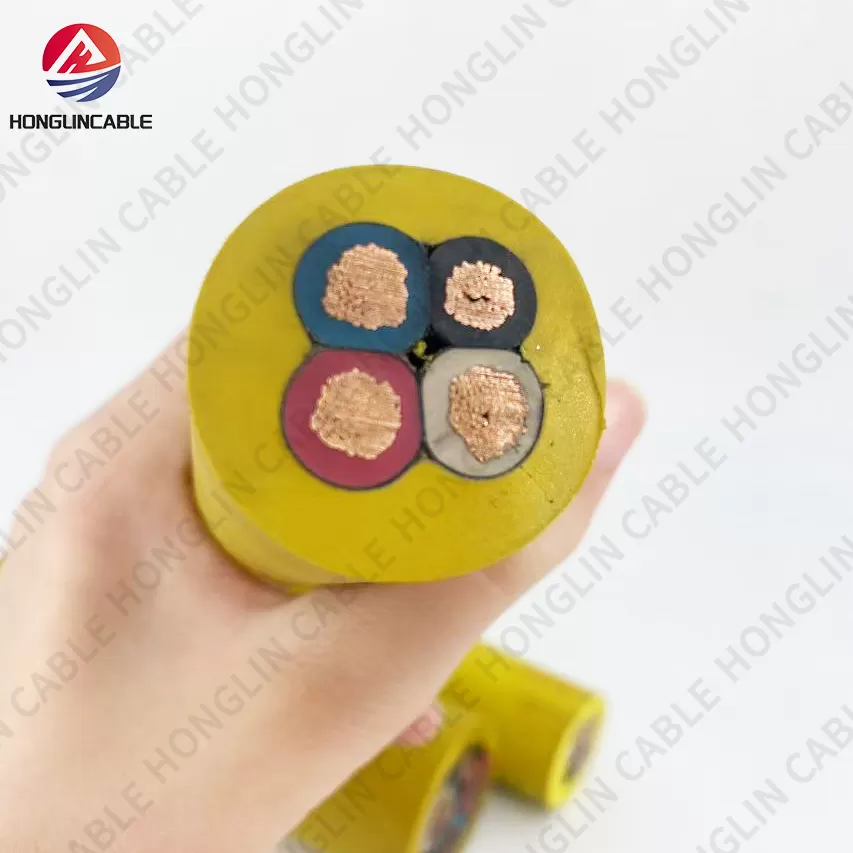
A good flexible pvc control cable is usually built around copper conductors, PVC insulation, and a PVC sheath because that combination gives buyers a familiar balance of performance and cost. Search results repeatedly show this same material structure across factory pages and catalog pages. That repetition matters because industrial buyers value familiarity. When a cable is built from a conductor and insulation system they already recognize, they can compare it faster, specify it faster, and approve it faster.
Flexibility is one of the biggest reasons the product stays in demand. In real installations, cables do not run through empty space in perfect lines. They pass through cabinets, trays, ducts, machine frames, and equipment enclosures where a rigid cable can make the work slower and less tidy. A flexible pvc control cable is valuable because it adapts to the route instead of forcing the installer to fight the product. That makes installation smoother and the final wiring more organized.
The voltage class is another major buying point. The search results show flexible PVC control cable products listed in common control-cable voltage ranges such as 300/500V, 450/750V, and in some cases 0.6/1kV. That helps buyers understand the cable’s role immediately. It belongs in control circuits, signal transmission, monitoring systems, instrumentation, and other low-voltage indoor applications. A strong flexible pvc control cable page should make that role obvious right away so the buyer can decide quickly whether the cable fits the project.
The market also shows a wide product family around this term. Results include shielded control cable, braided screen cable, multi-core flexible PVC control cable, and KVVR-type flexible products. That tells us buyers are not just shopping for one isolated item. They are comparing variants inside a broader control-cable family and deciding whether they need shielding, more cores, or a different jacket structure. That family logic is one of the reasons flexible pvc control cable remains such a commercially useful term.
For panel builders, the value is immediate. A flexible pvc control cable can reduce clutter in cabinets and help multiple control lines travel together in a cleaner layout. For equipment manufacturers, it supports neater assembly. For maintenance teams, it can make tracing and future service easier. These are practical benefits, not abstract marketing claims. They affect labor time, installation quality, and long-term serviceability. That is why the pages that rank best tend to focus on use cases as well as construction details.
Copper conductor quality matters because it is the part of the cable buyers trust most immediately. The visible results consistently show copper-based conductors, including stranded copper, pure copper, and oxygen-free copper in related flexible control cable listings. That consistency is important because it gives the buyer a familiar technical base. A flexible pvc control cable built on copper is easier to compare across suppliers and easier to justify in a commercial purchase decision.
PVC insulation and sheath are equally important to the product’s appeal. The search results repeatedly show PVC as the standard insulation and outer jacket material in this category, especially for indoor control and signal work. PVC gives the product a practical balance of protection, durability, and cost control. For many buyers, that is exactly what they want: a flexible pvc control cable that is dependable without being overcomplicated or expensive to specify.
The search landscape also shows that buyers care about source strength, not just product names. The first page includes large category pages, manufacturer pages, and product pages with MOQ and price details. One Alibaba category page shows 999+ products, while several Made-in-China and factory pages present product-specific pricing and order conditions. That means buyers are not only comparing cable specifications. They are comparing supply reliability, order scale, and commercial terms. A strong flexible pvc control cable page should therefore feel like a real offer from a real source.
Price is part of the decision, but it is not the whole decision. The results show a spread of pricing patterns, from lower per-meter factory offers with higher MOQ to broader marketplace ranges across product variants. That is normal in industrial cable buying because the final quote depends on conductor size, number of cores, shielding, MOQ, and the supplier’s trade model. A buyer searching for flexible pvc control cable is usually looking for the right balance of price and suitability, not the absolute cheapest line on the page.
Application fit is another area where the search results are very clear. Supplier pages describe these cables for control, signal, protection, measuring systems, machinery, automation, indoor equipment, and other low-voltage installations. Some pages even note use in vehicles, robotics, portable tools, or movement-heavy applications for more flexible variants. That broad but still focused application range makes flexible pvc control cable a strong commercial phrase because it speaks to many buyers without losing a clear identity.

For distributors and wholesalers, that is a big advantage. A product that is easy to explain is easier to stock and easier to reorder. Buyers often return to the same cable type once they have used it successfully in one project because they want the same handling and the same installation experience. A reliable flexible pvc control cable can therefore turn one successful order into repeated business.
The strongest sales pages in this category also speak directly to the buyer’s environment. They do not merely say that the cable is flexible. They explain why that flexibility matters: easier routing inside cabinets, cleaner internal organization, and simpler installation in indoor systems where space is limited. That kind of explanation is persuasive because it connects the product to the buyer’s real work. A good flexible pvc control cable page should help the customer picture the cable in a control cabinet, a machine enclosure, or a monitoring system.
The related product family also matters for positioning. Current results show flexible PVC control cable pages alongside KVV, KVVR, KVVP, and other control cable types. That means the buyer is often comparing fixed versus flexible, shielded versus unshielded, and standard versus special-purpose versions. A buyer looking for flexible pvc control cable is generally choosing the option that gives them the easiest installation and the cleanest routing in the indoor environment.
That is why trust signals matter so much. The pages that rank well are usually the ones that feel like a product source rather than a vague article. They show product standards, application notes, and supply details. They use the same language industrial buyers already expect to see. A strong flexible pvc control cable page should do that too, because buyers in this category are usually close to a purchase decision and want quick confidence.
There is also strong repeat-order logic behind this term. If the first order works well, the same specification is often requested again for the next project. That is especially common in control wiring because consistency matters. Installers want a cable that behaves the same way every time. Engineers want a known specification. Purchasing teams want a familiar product source. A dependable flexible pvc control cable can meet all of those needs at once.
A practical product page should therefore focus on the basics: copper conductor, PVC insulation, PVC sheath, flexible structure, standard voltage class, indoor control use. Those are the facts the market keeps repeating, and those are the facts that help buyers make a decision. When a page speaks clearly about those points, it becomes easier for the buyer to move from interest to inquiry. That is the real advantage of a well-positioned flexible pvc control cable page.
In the end, flexible pvc control cable remains a strong commercial term because it describes a real and recurring industrial need. Buyers want cables that are flexible, copper-based, PVC insulated, and suitable for control and signal work. The current search results show a market full of factories, suppliers, and marketplace listings competing around those exact expectations. That is why a clear, practical, and trustworthy flexible pvc control cable page can compete well on the first page.