Apr. 13, 2026
When machines move, stop, turn, lift, and repeat, the cable inside them has to do more than carry power. It must survive bending, vibration, oil, dust, and constant mechanical stress without losing performance. That is why a flexible control cable for equipment has become a core choice for modern industrial systems.
In today’s factories, this cable is not just a wiring component. It is part of the operating rhythm of automation lines, conveyor systems, machine tools, packaging equipment, and many other applications where stable signal transmission matters. When a system depends on accurate control, the cable must be as dependable as the machine itself.
For buyers, engineers, distributors, and project managers, the right cable is about more than price. It is about matching the structure, conductor, insulation, shielding, and outer jacket to the real work environment. A flexible control cable for equipment gives you the balance of movement, durability, and reliability that fixed wiring cannot provide.
Many industrial problems begin with cable failure caused by repeated movement. A rigid cable may work at first, but over time it can crack, fatigue, or lose signal quality. This is especially true in moving equipment, where cables are constantly flexed during operation. A flexible control cable for equipment is designed to handle this kind of demand.
The advantage is simple: better bending performance supports longer service life. In a production line, that means fewer interruptions. In a machine room, that means less maintenance. In a control system, that means cleaner operation and fewer errors. For businesses that value uptime, a cable built for flexibility is a practical investment, not an optional upgrade.
Equipment rooms and factory floors are rarely gentle places. Heat, oil, moisture, abrasion, and repeated motion can all affect cable performance. A flexible control cable for equipment is built to resist these pressures with materials selected for industrial use.
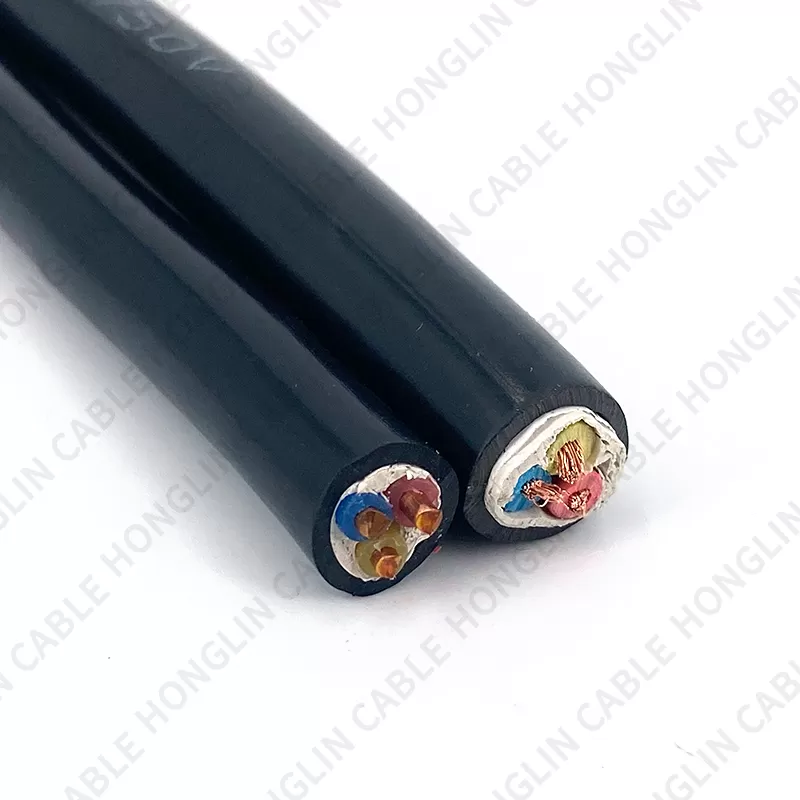
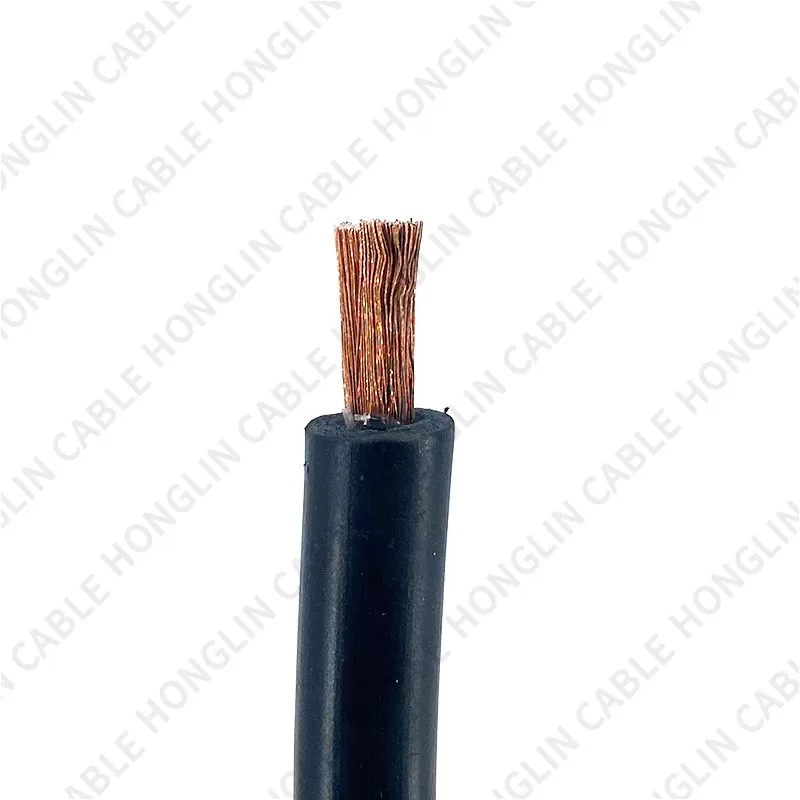
Depending on the application, it may use fine-stranded copper conductors for better bending performance, PVC or other protective insulation for dependable electrical separation, and a durable outer jacket for mechanical protection. In applications where electromagnetic interference is a concern, shielding can help maintain signal integrity. This makes the cable suitable for control cabinets, automation systems, and machinery that rely on stable communication between devices.
Automation depends on accurate control signals. Sensors, switches, actuators, and control units all need dependable connections to work together properly. That is why so many engineers specify a flexible control cable for equipment in automation projects.
In conveyor systems, the cable must move with the machine while continuing to deliver signals without interruption. In production lines, it may need to support frequent motion while remaining resistant to wear. In machine tool applications, it must endure vibration and repeated flexing. This kind of cable helps these systems keep running smoothly under real industrial conditions.
Not all cables perform the same way. Two products may look similar on the outside but behave very differently in use. The difference usually comes down to construction. A high-quality flexible control cable for equipment should use finely stranded conductors, consistent insulation thickness, reliable shielding when needed, and a jacket that matches the working environment.
This matters because the cable is often hidden inside machines, trays, cabinets, and moving assemblies. Once installed, it may be difficult and costly to replace. Choosing a well-made product from the start can reduce downtime later and improve the overall reliability of the electrical system.
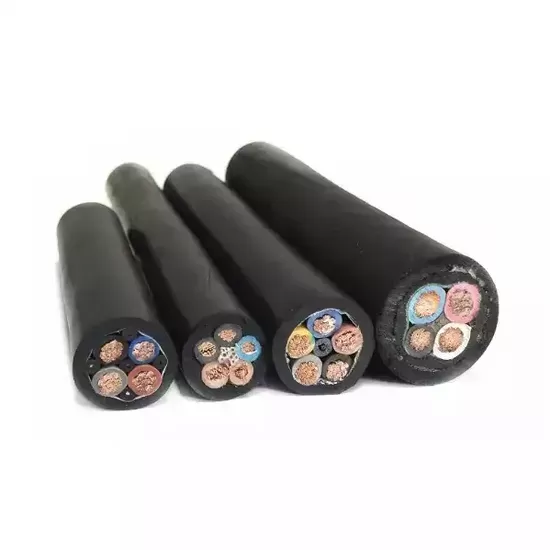
The best cable is the one that fits the job. Before selecting a flexible control cable for equipment, it helps to consider the environment, motion level, voltage requirement, number of cores, and whether shielding is needed.
If the cable will move often, flexibility should be a top priority. If the installation is near motors, drives, or other electrical sources, shielding may be important. If the cable will be exposed to oil or abrasion, the jacket should be selected carefully. In every case, the cable should be matched to both the electrical demand and the mechanical demand of the application.

A flexible control cable for equipment is widely used across industrial settings. It is a natural fit for factory automation, production machinery, control panels, measuring devices, conveyor systems, and other equipment that depends on stable signal transmission.
In many projects, the cable’s value comes from preventing problems before they appear. A cable that bends smoothly, resists wear, and maintains performance under pressure can reduce service calls and improve output quality. That is why experienced buyers often treat a flexible control cable for equipment as a key part of the system rather than a minor accessory.
For purchasing teams, consistency matters. A cable product is only valuable if it can be supplied with stable quality, clear specifications, and reliable delivery. When sourcing a flexible control cable for equipment, buyers often look for a supplier that can support both standard needs and customized requirements.
That includes the ability to recommend the right structure for the application, provide technical details clearly, and offer the same quality from order to order. When a cable comes from a dependable source, it becomes easier to standardize projects, reduce risk, and support long-term maintenance planning.
In industrial purchasing, better materials often lead to lower total cost. A cable that lasts longer and performs more reliably can reduce replacement frequency, downtime, and troubleshooting work. That makes a flexible control cable for equipment a smart commercial choice as well as a technical one.
A cable failure can stop a line, delay production, and create unnecessary labor costs. By contrast, a durable cable supports continuity. It helps machines work the way they are supposed to work, day after day, with fewer surprises and fewer interruptions.
Modern equipment needs wiring that can keep up with motion, pressure, and daily use. A flexible control cable for equipment meets that need by combining flexibility, durability, and stable electrical performance in one product.
For manufacturers, integrators, and distributors, this means a cable that is easier to trust in real-world conditions. For end users, it means better equipment performance and fewer maintenance headaches. For project teams, it means a cleaner path from design to installation to operation.
When a project demands stable movement, dependable control, and long service life, a flexible control cable for equipment is the kind of solution that earns its place in the system. It is built for the realities of industrial work, and that is exactly why it continues to be one of the most practical choices for equipment wiring today.
Common mistakes are easy to avoid when the selection process starts with real operating conditions instead of appearance alone. A cable may look strong, yet still fail if the conductor stranding, jacket material, or bending design does not match the application. Another mistake is choosing a product that is far above the actual need, which can raise cost without improving performance. The best result comes from balancing motion, environmental exposure, electrical demand, and budget.
Another issue is ignoring the future layout of the machine. Equipment often changes over time. A good cable choice should leave room for routine adjustments, maintenance access, and practical installation. When the wiring is easy to route and manage, the entire system becomes easier to maintain.
In many purchasing conversations, the final decision comes down to trust. Buyers look for clear communication, predictable quality, and a product that does what it promises in real conditions. When those factors line up, the cable becomes more than a component; it becomes a reliable part of the entire system.
A strong specification, a suitable jacket, and a flexible construction can make a noticeable difference in daily operation. That is why careful selection pays off long after installation.For that reason, many teams treat cable selection as a core decision, not a small detail. It affects uptime, maintenance cost, and the long-term value of equipment.