Nov. 21, 2025
When a production line, machine tool or automated system depends on accurate signals and continuous operation, the cable you choose can make the difference between steady uptime and costly downtime. A properly specified sy control cable offers mechanical protection, flexible routing and long-term reliability. This guide explains why the right selection matters, what technical features to prioritize, and how the correct supplier can simplify procurement and installation.

SY control cable is a flexible multi-core cable designed specifically for measurement, control and regulation applications. Unlike simple, unarmored cables, the sy control cable includes a galvanised steel wire braid (GSWB) that provides mechanical protection against abrasion and external impact. Combined with class-5 fine stranded copper conductors and PVC insulation, that braid allows the cable to withstand tougher industrial environments while keeping signal integrity intact.
A high-quality sy control cable is composed of several carefully chosen elements:
Fine stranded copper conductors: These provide the flexibility needed for repeated movement while preserving conductivity.
PVC insulation and bedding: Offers robust electrical insulation and consistent performance across temperature ranges typically used in industry.
Galvanised steel wire braid (GSWB): Acts as a mechanical barrier that protects conductors from abrasion and accidental damage during installation and service.
Transparent or coloured PVC sheath: Many SY variants use a sheath that helps detect damage or corrosion early, which is crucial for maintenance programs.
When these elements are specified correctly, the sy control cable reliably serves control panels, movable machinery and mixed fixed/mobile systems.
Understanding ratings helps you select the right sy control cable for each use:
Voltage rating: Typical SY products are rated at 300/500 V; some variations are offered at higher ratings for specific applications.
Temperature range: Expect static ratings down to -40°C and up to +80°C, with flexing rated zones slightly narrower depending on manufacturer.
Bend radius: Minimum bend radii vary by overall diameter and flex classification — following manufacturer guidance prevents conductor fatigue.
Mechanical protection: The GSWB improves resistance to external forces but is not a substitute for armouring against heavy impact or for earthing under fault conditions.
These technical points are essential when evaluating any sy control cable specification.
The sy control cable design is particularly well-suited for the following sectors:
Factory automation: Runs between control cabinets and machinery often require a robust cable that tolerates routing through trays and occasional movement.
Machine tools and motion systems: Tools subjected to vibration and intermittent motion benefit from the flexibility and mechanical protection of SY constructions.
Conveyors and pick-and-place equipment: In areas where physical wear from components or personnel is likely, the GSWB reduces the chance of premature damage.
Instrumentation and process control: For signal and control loops where reliability is critical, the sy control cable combines physical protection with clean electrical performance.
Selecting an SY solution reduces the likelihood of field failures and simplifies maintenance.
Not all SY cables are identical. Use this practical checklist when choosing:
Confirm core count and conductor size: Match cores and cross-section to the signals and currents you must carry.
Assess movement profile: If continuous flexing or drag-chain use is required, choose a dynamic-rated variant or consider specific flexible constructions.
Check GSWB coverage: A high braid coverage percentage preserves mechanical protection; low coverage is a warning sign of inferior build.
Select sheath type: For indoor use PVC sheaths often suffice; choose LSZH or special compounds in fire-sensitive or chemical environments.
Decide on supplementary shielding: SY primarily offers mechanical braid — if EMI rejection is crucial, evaluate CY (tinned copper braid) or additional screening solutions.
Review datasheets and compliance: Insist on manufacturer datasheets showing voltage, temp, bend radius and relevant test standards.
Following the checklist ensures you procure the correct sy control cable for reliable operation.
Choosing a correctly specified sy control cable brings immediate on-site and lifecycle benefits:
Fewer mechanical failures: The steel braid prevents cuts and snags during cable handling and service access.
Cleaner installations: Pre-specified cables reduce field splicing and ambiguous conductor bundling.
Easier maintenance: Transparent or well-labelled sheaths help technicians spot wear early.
Better uptime: A robust cable lowers the risk of sudden signal loss and unplanned stoppages.
These advantages translate into measurable savings in labour, spare parts and production downtime.
Maximize the life of any sy control cable with best practices:
Respect the minimum bend radius and avoid sharp conduit entries.
Use proper grommets where passing through metal panels to prevent sheath damage.
Route away from high-power conductors when possible; where separation is impractical, choose screened or specially designed alternatives.
Secure cable ends and provide service loops for retermination or future expansions.
Inspect braid coverage and sheath condition during pre-installation checks.
Good installation habits protect your investment and help the cable meet projected service life.
When evaluating suppliers, look for these markers of a trustworthy sy control cable product:
Detailed datasheets with conductor class, insulation type, braid coverage and mechanical ratings.
Test certificates for flame retardancy and electrical performance.
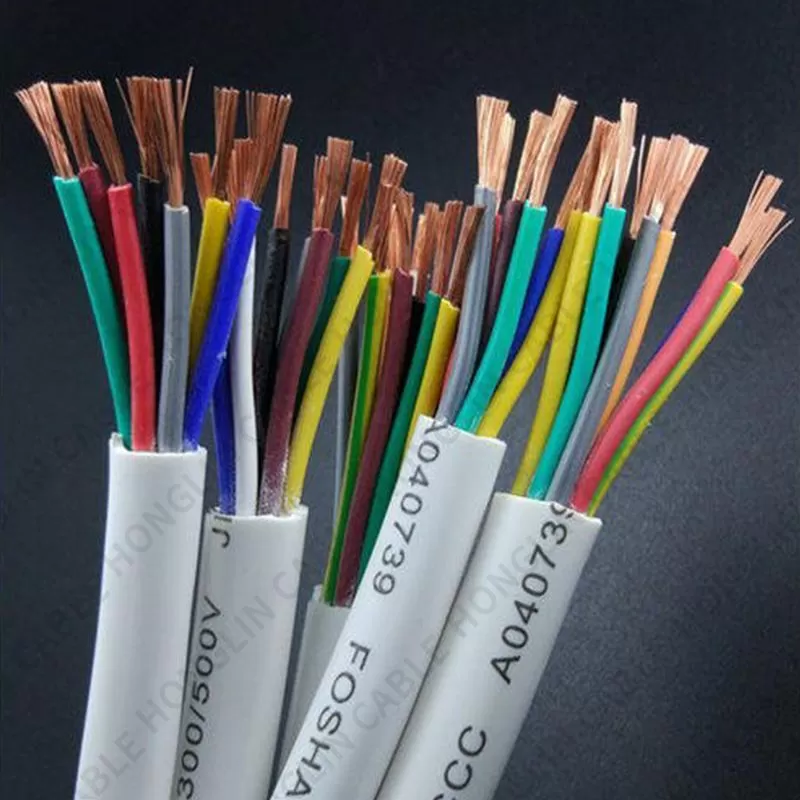
Clear core identification (numbering or colour coding) for ease of termination.
Reputable manufacturing with traceable batch numbers and quality control records.
Positive field references from industrial customers or contractors.
These signals help ensure the cable will perform in real industrial conditions.
A machining centre replaced generic control wiring with specified SY assemblies and eliminated stray conductor damage during maintenance, reducing stoppages.
An assembly line installer standardized on an SY family and shortened cable installation time by avoiding multiple separate runs.
A processing plant selected SY for tray runs subject to occasional impact, avoiding repeated cable replacements in the first year.
Each case demonstrates how the right sy control cable solves repeated practical problems.
Working with a supplier who understands SY design nuances simplifies procurement:
They can propose the proper conductor class and braid coverage for expected stresses.
They supply certified datasheets and advise on compliance for your jurisdiction.
They offer appropriate reel lengths, labelling options and delivery schedules that align with project timelines.
A sound partnership avoids specification mismatches and ensures field success.
If your system requires flexibility, mechanical protection and dependable control signaling, choose a properly engineered sy control cable. Prioritize braid coverage, correct conductor sizing, and verified datasheets. Doing so reduces installation risk and increases operational uptime — two outcomes that pay for themselves over the lifetime of the installation.
For projects that demand dependable performance under mechanical stress, the sy control cable remains a practical and proven choice. Specify it thoughtfully, install it carefully and your control systems will run with greater confidence and fewer interruptions.