Nov. 21, 2025
When your machinery, automation system or control panel depends on clear, reliable signals, the wiring between components is not an afterthought — it is the backbone. Choosing the right flexible control cable ensures dependable signal transmission, long service life and less downtime. This guide explains why a premium cable matters, how to choose one that fits your environment, and what benefits an experienced manufacturer brings to your project.

Not every cable is designed to move and last. A genuine flexible control cable is constructed with high-strand count conductors, durable insulation, and an outer sheath chosen to resist oils, abrasion and temperature changes. Those design choices produce a cable that bends repeatedly without conductor fatigue, preserves signal quality, and resists environmental wear. For applications such as robot arms, machine tools, conveyor systems and cable tracks, this flexibility and long-term resilience is essential.
When specifying a flexible control cable, focus on the attributes that determine long-term performance:
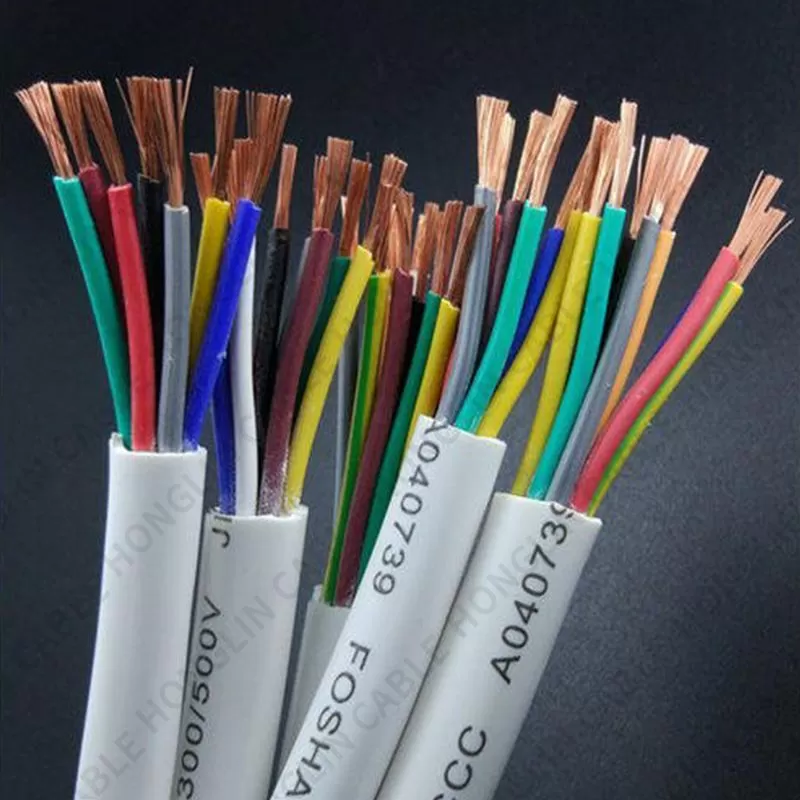
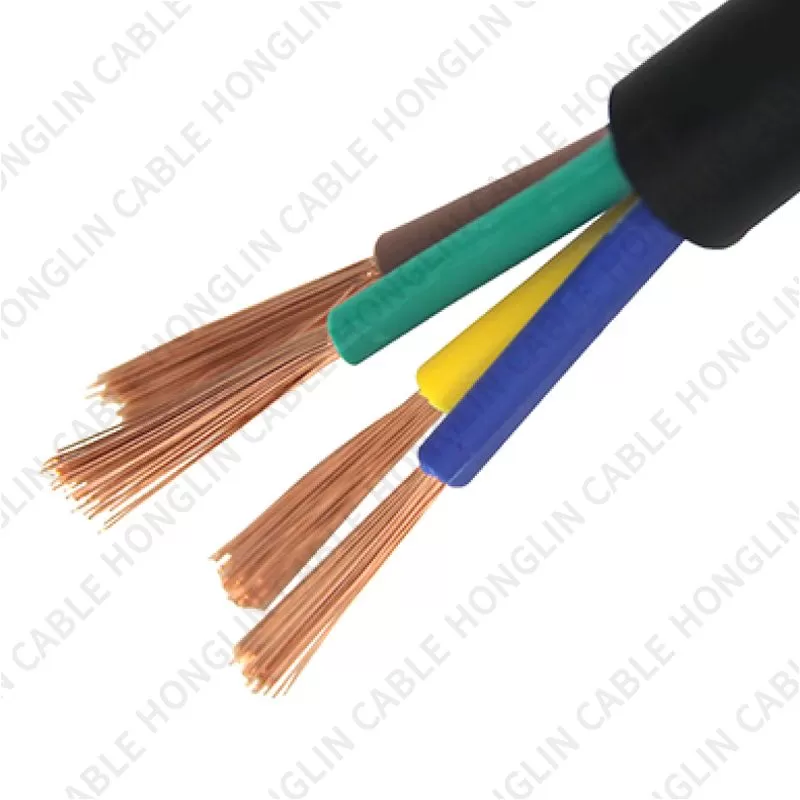
Conductor construction: Fine-stranded copper conductors reduce fatigue and maintain conductivity under repeated bending.
Number and size of cores: Choose the right core count and cross-sectional area for the signals and currents your system carries.
Insulation material: PVC is common; LSZH (low smoke zero halogen) is preferred for enclosed spaces where smoke or toxic fumes are a concern.
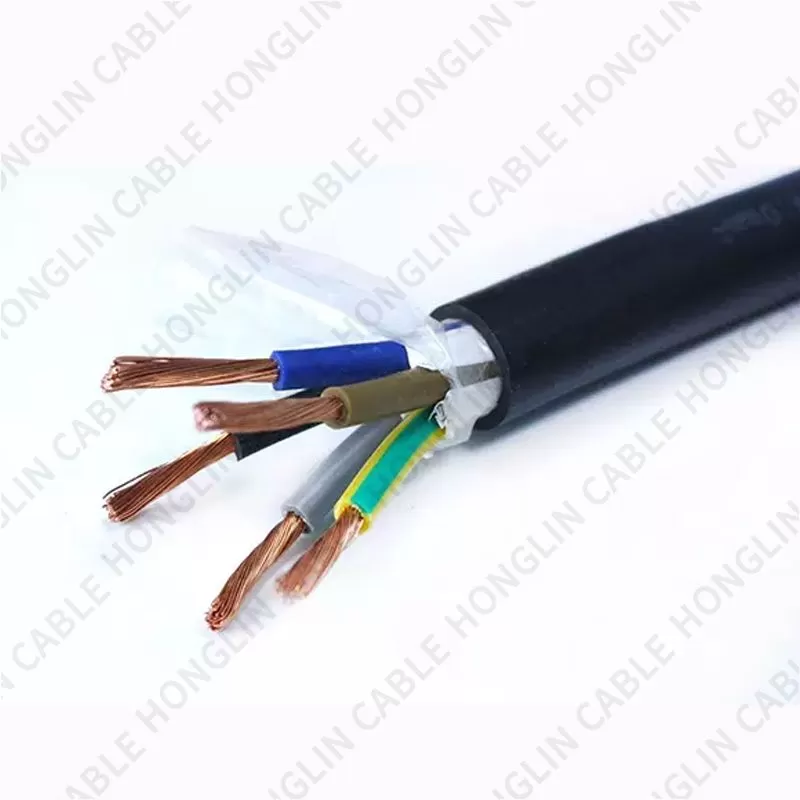
Screening/Shielding: For environments with electromagnetic interference, a screened flexible control cable will protect signal integrity.
Sheath resistance: Oil-resistant and abrasion-resistant sheaths extend service life in industrial environments.
Temperature and voltage ratings: Match the cable’s ratings to the installation’s ambient conditions and electrical requirements.
These technical choices, when made deliberately, lower the risk of signal loss, reduce maintenance and keep your equipment running.
A quality flexible control cable is essential in many real-world installations:
Robotics and gantry systems — constant motion demands cables that tolerate millions of bend cycles.
Machine tools and CNC cells — vibrations and movement require cables that won’t suffer conductor breakage or insulation failure.
Conveyor systems and pick-and-place lines — repeated flexing and wear are common; the correct cable minimizes unexpected failures.
Control panels and movable enclosures — the cable must withstand both routing in tight spaces and occasional movement.
Instrumentation runs where shielding is essential — for noisy environments, screened flexible control cable maintains clean signals.
These scenarios illustrate how investing in a purpose-built cable saves time, reduces call-backs and improves uptime.
Choosing the right flexible control cable begins with a short technical checklist:
Define movement profile: Is the cable static, subject to occasional flexing, or continuous dynamic movement (for use in a cable track)?
Identify chemical exposures: Will the cable encounter oils, coolants or cleaning chemicals? If so, specify an oil-resistant sheath.
Assess temperature extremes: Select a cable with an appropriate temperature rating for ambient and proximity heat sources.
Decide on screening: If nearby motors, drives or high-power switching equipment could induce interference, choose a screened option.
Confirm mechanical protection: In harsh environments consider armoured or braided options for added physical protection.
This practical approach ensures the selected cable performs from day one and through years of service.
Buying cable is not just a product transaction — it’s a technical partnership. A seasoned supplier who specializes in control and flexible cables offers clear advantages:
Specification support: They translate your movement, signal and environmental needs into the correct conductor size, insulation, and shielding.
Testing and documentation: Reputable providers supply datasheets, test certificates and batch traceability so you can meet compliance requirements.
Custom lengths and labelling: On-site efficiency improves when cables arrive cut to length and clearly marked for each connection.
Availability of dynamic-rated variants: If your project requires drag-chain or continuous flex variants, the right supplier will offer tested options.
Post-sale technical support: Installation guidance, bend-radius recommendations and troubleshooting support reduce on-site risk.
Selecting a partner who understands both electrical performance and mechanical wear means fewer surprises on commissioning day.
When engineers upgrade to a proper flexible control cable, the gains are tangible:
Fewer faults: Improved conductor durability and correct shielding lead to fewer signal errors and reduced downtime.
Faster installation: Consolidated, pre-selected cables simplify routing and minimise labour hours.
Lower maintenance: A cable that resists oil, abrasion and repeated flexing will last much longer, saving replacement costs.
Improved safety: Choosing LSZH or fire-retardant variants improves occupant safety and reduces smoke/toxic risks in enclosed spaces.
Better performance: Clean signals and reduced electromagnetic interference translate into smoother control loops and more reliable automation.
These benefits compound over a system’s lifecycle—making the initial specification decision critical.
To make sure your flexible control cable performs as intended, follow these field tips:
Respect minimum bend radius: Tight bends are a primary cause of premature conductor failure. Always observe the manufacturer’s minimum radius.
Avoid sharp edges: Use grommets and protection plates where cables pass through panels.
Support when moving: For drag-chain applications, use the correct cable carrier and avoid over-twisting.
Mark and test: Label cores and test continuity/shielding before powering systems to catch wiring errors early.
Plan spare capacity: Run a little extra length in conduit for service loops and future modifications.
These common-sense practices protect your investment and prevent avoidable rework.
We design and produce a family of flexible control cable variants to meet diverse applications. Our product line emphasizes:
High-strand conductors for durability
Choices of PVC, LSZH and oil-resistant sheaths
Screened and unscreened options for EMI-sensitive environments
Dynamic-rated constructions suitable for cable tracks and continuous flexing
Full documentation and testing to support compliance and procurement needs
Every cable we deliver is manufactured to tolerances suited for industrial use and tested for real-world durability.
Robot cell retrofit — replacing outdated generic wiring with a screened, dynamic-rated flexible control cable resolved intermittent encoder errors and eliminated unexpected stops.
Packaging line upgrade — a machine builder used our oil-resistant cable and reported a significant reduction in cable failures caused by lubricant exposure.
HVAC control renovation — specifying LSZH-sheath flexible control cable in risers reduced smoke-toxin concerns and met tighter building safety requirements.
Across applications, the right cable specification led to measurable reliability improvements.
When you request a quote, prepare the following details so the supplier can match the right flexible control cable to your project:
Number of cores and conductor sizes required
Movement type (static / occasional flex / continuous flex)
Environmental exposures (oil, UV, chemicals, temperature)
Shielding needs (yes/no, type)
Required standards or certifications (if any)
Preferred sheath material (PVC, LSZH, etc.)
Provide this information and you’ll receive a clear specification, datasheet and recommended lengths for quick procurement.
Selecting the appropriate flexible control cable is an investment that pays dividends in reliability, safety and reduced lifecycle cost. Whether you’re building a new automation line, retrofitting machines or designing control cabinets, specifying the correct cable now prevents headaches later. Partner with a supplier who understands both electrical performance and mechanical durability — and let your wiring be the dependable foundation your system deserves.