Sep. 14, 2026
When buyers search for copper control cable, they are usually not looking for a broad technical lecture. They want a product that can be specified quickly, installed cleanly, and relied on in daily industrial use. The current first-page results reflect that buying intent. The search landscape is dominated by manufacturer pages, supplier directories, and marketplace listings rather than editorial articles, and the visible pages repeatedly emphasize copper conductors, PVC insulation and sheath, flexible indoor use, and control-cable ratings such as 450/750V and 0.6/1kV. Related result pages also show families such as KVV, KVVR, KVVP, and flexible shielded control cable, which confirms that the market is organized around practical product variants instead of abstract theory.
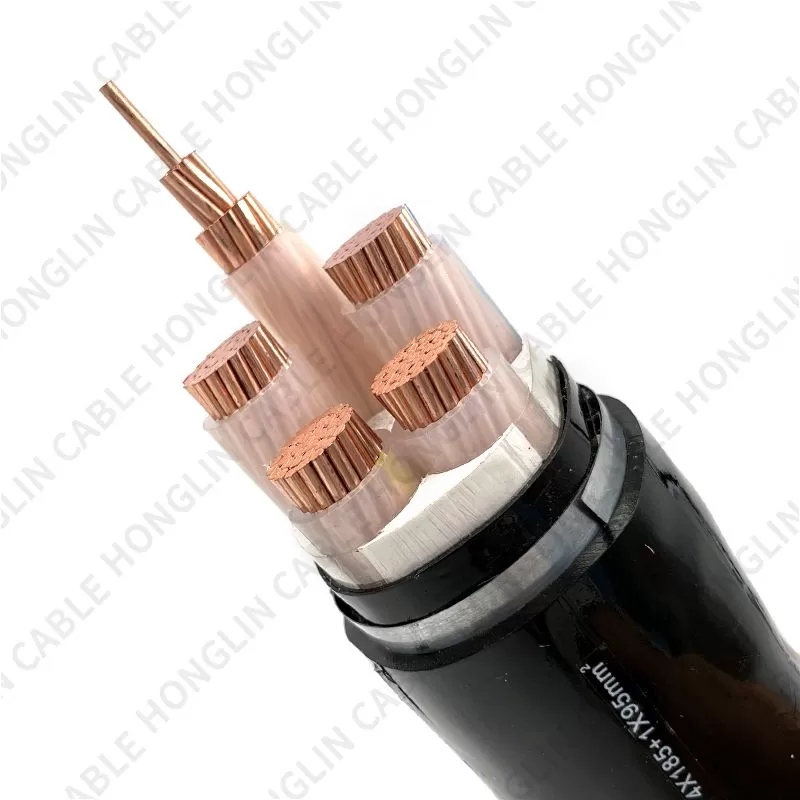
That is important because the best pages in this category do not try to sound clever. They present a copper control cable as a straightforward industrial solution: a copper conductor, PVC insulation, a suitable sheath, and a voltage class that matches control and monitoring circuits. A well-built page about this product should do the same. It should help the buyer decide whether the cable is suitable for a cabinet, a machine, a panel, a signal path, or another indoor electrical task. That is the kind of clarity the first page rewards.
The reason this product family stays so visible in search is simple: industrial customers value reliability, familiarity, and easy installation. A copper control cable is attractive because copper is a conductor buyers already trust, PVC is a material they already understand, and flexible construction is something that makes real project work easier. In the supplier pages that rank well, these elements are not hidden. They are placed right at the front of the product description because that is what purchasing teams and engineers look for first.
Flexibility matters because control wiring rarely runs in a perfect straight line through open space. It moves through cabinets, trays, ducts, and equipment frames where a rigid solution can slow the installer down. Search results for flexible control cable pages and related copper control cable categories repeatedly point to indoor wiring, control loops, monitoring circuits, and protecting circuits. That pattern tells us the market is not just buying wire. It is buying installation convenience and application fit. A flexible copper control cable can reduce routing stress, make the final installation look neater, and simplify future maintenance.
The first-page results also show that voltage class matters a great deal. Many of the strongest pages list ratings such as 450/750V, 0.6/1kV, or similar low-voltage control ranges. That helps buyers quickly place the product in the right application group. It is not heavy power transmission. It is control, signal, monitoring, and related indoor electrical work. When a product page states that clearly, it helps the customer move faster from browsing to inquiry.
There is also a clear product-family logic in the search results. Pages for KVV, KVVR, KVVP, and related control cable families show how the market separates fixed installation, flexible installation, and shielded versions. That matters because many buyers are not shopping for one isolated item. They are comparing options within the same family and deciding whether they need a fixed cable, a flexible one, a screened one, or an armored one. A copper control cable belongs in that family of decisions, and a strong sales page should help the buyer understand where it fits.
The product pages that perform well on the first page are also the ones that speak in practical terms. They list copper conductors, PVC insulation, temperature ranges, nominal voltages, and core counts. They often mention indoor laying, fixed or movable installation, and application in monitoring or control systems. That combination of technical clarity and commercial relevance is exactly what industrial buyers want. It tells them the product is not only available, but suitable. A cable that is easy to understand is much easier to quote and much easier to reorder.
The market also shows strong demand breadth. Alibaba category pages display large product counts for control cable-related searches, including copper wire braided control cable and copper screened armoured control cable. Other pages show copper conductor flexible cable options and related industrial products. That breadth is a sign that buyers are comparing many versions of the same broad category. They may want a simple copper control cable for a standard control panel, or they may want a more specialized screened or armoured version. Either way, the common factor is that buyers want a dependable copper-based cable family they can source without confusion.
For distributors and suppliers, that creates a strong business opportunity. A product that is familiar, standardized, and widely recognized is easier to stock and easier to sell. Buyers can understand the difference between fixed and flexible versions quickly. They can also compare conductor size, voltage rating, and shielding options without needing a long explanation. That makes the product a practical inventory item because it can serve multiple customer types: panel builders, equipment manufacturers, installers, and wholesalers.
For project buyers, the value is even more direct. If the wiring is easier to route, the project moves faster. If the cable is standardized, the quotation cycle becomes shorter. If the product is familiar, the maintenance team can service it later with less uncertainty. Those practical benefits are part of the reason the best first-page listings emphasize utility over decoration. They make the buyer feel that the product will fit the job and not create extra complications.
A strong sales page for a copper control cable should therefore focus on the customer’s real decision points. What is the conductor material? Copper. What is the insulation? PVC or another standard control-cable insulation depending on the variant. Is it flexible? If the project requires movement or tight routing, yes. What is the voltage class? Usually one of the standard low-voltage control ranges. That is the language buyers see repeatedly in the current search results, and it is the language that helps them shortlist suppliers. A page that repeats those facts clearly is more likely to convert.
The competitive landscape also suggests that trust signals matter. Factory pages often present standard compliance language, temperature ranges, or application descriptions. Marketplace pages highlight product variants, core counts, and pricing ranges. Together, they show that buyers are comparing not only the cable itself but also the source behind it. In that environment, a seller who presents the product with consistent specifications, clear application guidance, and stable supply can stand out quickly.
One useful way to think about this product is as an installation tool rather than just an electrical item. A cable helps organize a control system. It makes routing cleaner. It reduces the number of loose connections. It supports better traceability when the system is inspected or repaired. These are the kinds of benefits that matter on a factory floor, in a cabinet room, or inside a machine enclosure. Buyers do not only want a cable that works on day one. They want one that continues to make the system manageable over time.
The search results also show that category pages can be very large. Some control-cable and copper-braided-control-cable pages display 999+ products. That means the market is active, but it also means the buyer is already used to scanning many options. In such a market, clarity beats creativity. A page should explain the cable with the same kind of directness buyers already see in the best-ranking supplier listings. That is the surest way to build trust and keep attention.
A practical product page should also help the buyer imagine use cases. Control panels. Instrument loops. Machine wiring. Monitoring circuits. Indoor equipment connections. These are the places where this cable family belongs, and the search results support that picture across multiple pages. When the buyer can see the use case clearly, the quotation becomes easier to approve and the order becomes easier to place. That is why copper control cable remains a strong commercial term rather than just a technical phrase.

The strongest sales message is simple: this product gives the buyer a familiar conductor, a standard control-cable structure, and a practical solution for indoor wiring. It is not meant to be overly complicated. It is meant to be dependable, standard, and easy to use in the environments where control wiring matters most. That is exactly the kind of product industrial buyers keep returning to.
If the customer needs flexibility, the flexible variants are already visible in the market. A copper control cable in that flexible form is especially useful when routing space is limited. If the customer needs shielding or mechanical protection, related families such as KVVP or armoured control cable are also well represented. That means the product line can be positioned as part of a broader sourcing strategy, not just a single item. For a supplier, that is valuable because it supports cross-selling and repeat orders. For the buyer, it is useful because it makes the technical decision simpler.
In the end, this cable succeeds because it solves a real industrial problem in a familiar way. The market has already made the priorities clear: copper conductors, PVC insulation, suitable voltage ratings, flexible or fixed installation depending on the variant, and applications tied to control, monitoring, and protection circuits. A page that presents those facts clearly, confidently, and without unnecessary noise is the kind of page that can compete well on the first page.