Jun. 12, 2026
Conduit electrical wire is one of the most practical products in the electrical market because it solves an everyday installation problem in a dependable way. Buyers searching for it are usually not looking for theory. They want a conductor they can trust in real work, a specification they can compare quickly, and a supplier that can support repeat orders with stable quality. The pages that rank well reflect exactly that behavior: they show conductor material, insulation type, voltage rating, and application right away, which is what serious buyers expect when they are choosing wire for conduit-based installations.
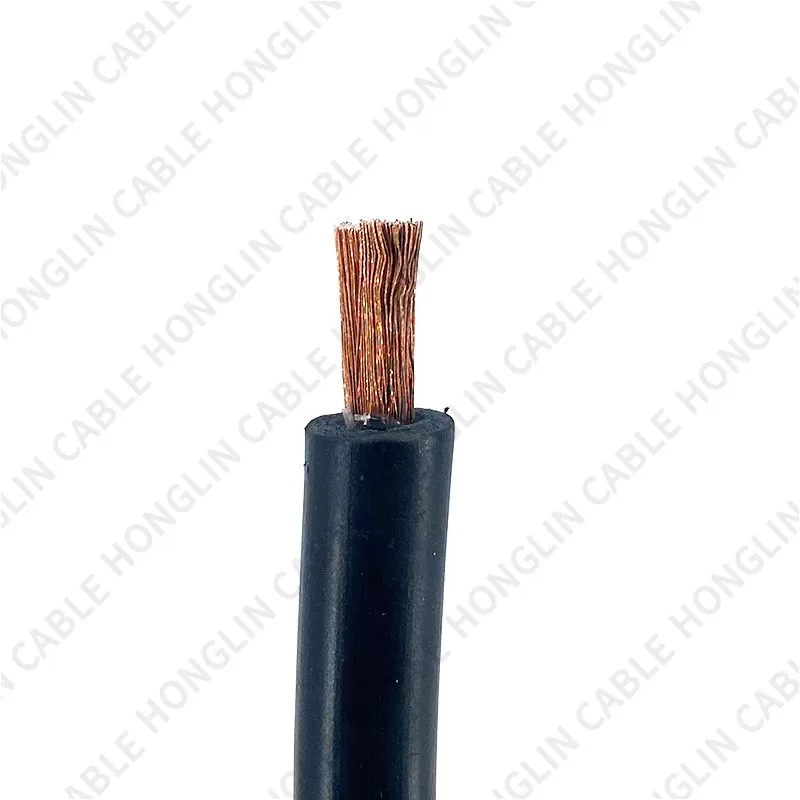
At the core of any quality conduit electrical wire is copper. Copper remains the preferred conductor material in most building-wire applications because it combines excellent conductivity, stable performance, and long service life. Copper industry references continue to position copper as a trusted electrical conductor for building wire systems, which is one reason copper-core products dominate search results for conduit, house wiring, and fixed installation categories. In practical terms, a copper-based conduit electrical wire gives installers the performance they need without complicating the project.
One reason contractors keep choosing conduit electrical wire is that it is designed for clean routing and predictable installation. The search results repeatedly point to use in surface-mounted or embedded conduits, cable trays, and protected installations inside buildings or equipment. That matters because conduit work is all about organization, protection, and access. The wire needs to pull smoothly, terminate neatly, and stay reliable over time. When the cable is intended for conduit use, the entire system becomes easier to install and maintain.
A useful conduit electrical wire also needs a practical size context. The market shows common sections such as 1.5mm², 2.5mm², 4mm², 6mm², 10mm², 16mm², 25mm², 35mm², 50mm², and even larger families in some product pages. That breadth matters because real projects rarely need one conductor size only. Lighting circuits, control circuits, branch circuits, and feeder runs all call for different sections. A supplier who can cover multiple sizes under one familiar family makes sourcing much easier for contractors, distributors, and project buyers. It also gives buyers confidence that the wire family they standardize on will still serve them as the project changes.
The best conduit electrical wire pages also make technical details easy to understand from the first glance. They do not hide behind vague marketing language. They show conductor type, insulation type, voltage class, and application directly. One supplier page presents 450/750V industrial fixed wiring cable for use in conduit or trunking, while another shows single-core solid copper conductor building wire for fixed protected installation inside appliances and lighting fittings. That kind of direct presentation matters because buyers can quickly decide whether the product fits the project before they send an inquiry.

For contractors and electricians, conduit electrical wire is attractive because the cable helps create a clean and serviceable installation. Inside a building, wiring has to be organized so that it can be inspected, maintained, and extended later if needed. Fixed wiring conductors are easier to label, route, and terminate neatly in walls, boxes, and conduit runs. That is why the search results repeatedly connect conduit use with protected installation, lighting fittings, signaling circuits, and building applications. The best wire is not only the one that carries current well; it is also the one that makes the whole installation easier to live with over time.
A trustworthy conduit electrical wire page should also show recognizable quality signals. Several of the top product pages list standard voltage classes such as 300/500V and 450/750V, while some add the familiar H05V-U, H05V-R, and H05V-K family naming. Those details matter because buyers want to know the product belongs to a recognized cable family, not an undefined custom category. Some supplier listings also present factory-direct structures, order-ready product pages, and clear product configurations for solid or stranded conductor versions, which reinforces that this is a serious procurement category rather than casual retail browsing.
The standards behind conduit electrical wire are also important. In the search results, the wire families repeatedly appear in the 300/500V and 450/750V range, and products are explicitly described for fixed protected installation, conduit use, and cable-tray routing. That matters because the buyer wants to know the cable belongs to a known technical environment and is suited to a specific installation style. A conduit cable is not just a wire with a jacket. It is part of a planned electrical pathway, and the standards language helps the buyer compare products with confidence.
The best conduit electrical wire pages also make the application story simple. The product results repeatedly connect conduit wire with house wiring, building wiring, indoor fixed wiring, power supply, lighting systems, appliances, control circuits, and internal wiring in switchgear and equipment. That broad use profile matters because it shows the product family is not a niche item. It is a standard electrical solution that fits many ordinary wiring needs found in homes, commercial buildings, and equipment systems. A product family with that kind of reach is far easier to standardize around than a cable designed for only one special use.
A serious buyer of conduit electrical wire is usually thinking about repeat ordering, not just one purchase. Conduit wire is a repeat-use product family because homes, apartments, shops, workshops, and commercial buildings all need protected wiring pathways. Once a contractor finds a size and specification that works, that same product often gets reordered for the next job. That repeatability is one of the biggest strengths of this category. It is familiar, practical, and easy to restock, which is exactly what makes it valuable across the supply chain. The search landscape makes that obvious because most of the top results are supplier and product pages built around standardized product families.
A serious conduit electrical wire supplier should also be honest about the product’s limits. Some listings position the product as a hard fixed-wire solution, while others show related flexible single-core or stranded families for similar applications. That distinction matters because the right conductor depends on the installation style. A fixed run in a conduit or trunking system often suits a rigid or semi-rigid building wire well, while more flexible cable families are better for repeated bending or tighter routing. The best product pages do not blur that difference. They help the buyer choose correctly, which is always better than pushing the wrong product for the sake of a quicker sale.
For distributors, the right conduit electrical wire source is the one that makes repeat buying simple. The product should be easy to identify, easy to compare, and easy to reorder. It should sit inside a recognized standards family, use copper conductor and PVC insulation, and match the conduit environments buyers actually work in. The current search landscape shows that this is exactly what the market values. The pages that perform well are the ones that present the facts cleanly and leave the buyer with confidence. In other words, when the specification is clear, the quotation is easier, and the order is more likely to follow.
In the end, conduit electrical wire remains strong because it solves the right problem in the right way. It gives installers a familiar protected-wiring solution, gives buyers a standards-based technical fit, and gives suppliers a product family with repeat demand and broad project use. The page-one results make the buying logic very clear: buyers want dependable wire they can trust in real installations, and the strongest product pages are the ones that present the facts directly. That is why conduit electrical wire continues to hold such a solid place in the market for building wiring, power-related runs, and everyday electrical installation.