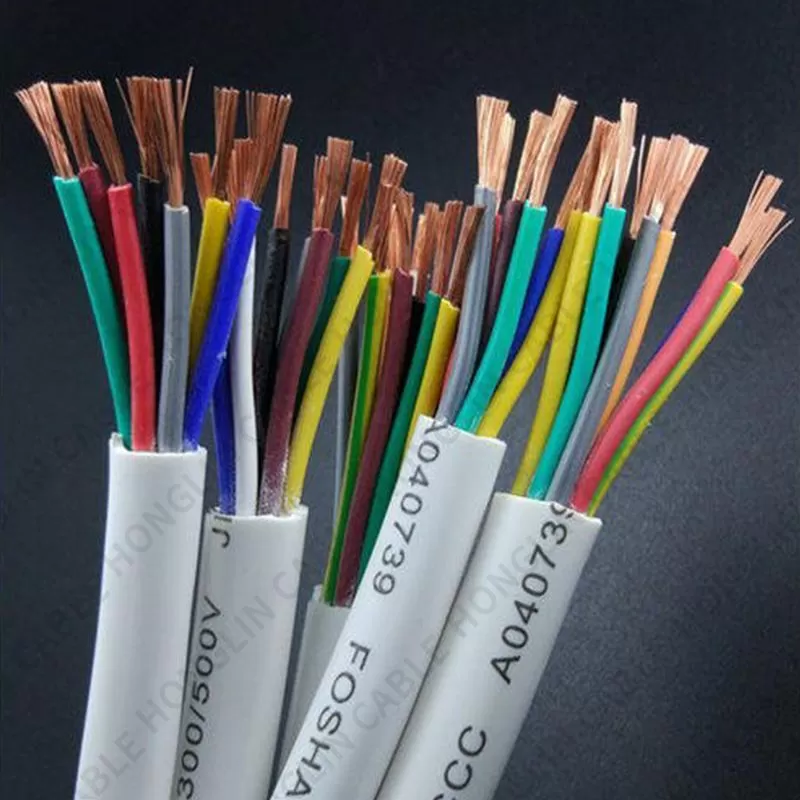
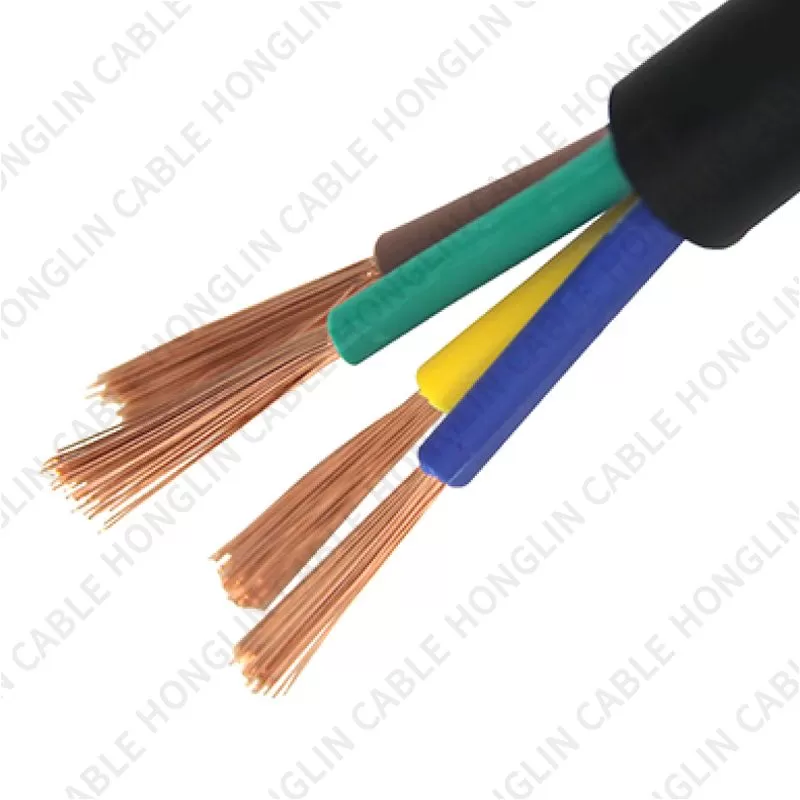
Nov. 21, 2025
When uptime matters and control signals must be crystal clear, the wiring you choose is not a minor detail — it is a system decision. A carefully specified 6 core control cable gives you the right mix of conductors in one tidy assembly, robust protection against mechanical wear and the electrical characteristics you need to keep automation, instrumentation and machine control working without surprise failures.
Control cables carry the commands and feedback that automation systems depend on. If those signals are degraded, misinterpreted or interrupted, the result is production delays, quality issues and costly investigation time. Choosing a purpose-built 6 core control cable means you’re buying a component designed to preserve signal integrity, reduce installation complexity and stand up to the mechanical stresses commonly found in industrial environments.
A good 6 core control cable is more than just six insulated wires in a sheath. Key elements to evaluate include:
Conductor type and stranding: Fine-stranded copper (Class 5 or equivalent) gives flexibility and longer life under bending stress.
Insulation material: PVC is widely used; LSZH (low smoke zero halogen) is preferred for enclosed spaces or where fire/smoke toxicity is a concern.
Screening vs braid: Screened variants reduce electromagnetic interference for critical signals, while steel wire braid provides mechanical protection.
Sheath compound: Oil, chemical and UV resistance matter for exposed installations.
Ratings: Voltage, temperature range and minimum bend radius are essential to confirm against application needs.
When you select the right combination of these attributes you reduce the chance of signal loss, improve safety and make installation more predictable.
Different job sites demand different variants of the 6 core control cable:
Unscreened multi-core: Ideal for short indoor runs where EMI is not significant and mechanical stress is low.
Screened (CY / LiYCY): Use where VFDs, motors or welding equipment create electrical noise; screening protects analogue and digital signals.
Steel braided (SY): Best when mechanical abrasion, rodent risk or physical impact could damage the cable—braid adds mechanical protection.
Drag-chain / dynamic rated: For continuous flexing in cable carriers, choose a cable specifically rated for dynamic use to avoid premature conductor breakage.
Picking the right variant prevents later retrofits and improves long-term reliability.
The 6 core control cable is commonly used in many industrial contexts:
PLC to actuator runs — carrying multiple control signals in a single, labeled assembly simplifies routing.
Machine tool wiring — flexible conductors and robust sheaths reduce downtime caused by routine maintenance.
Conveyor and material handling control — braid/armour options protect in busy plant areas.
Instrumentation and sensor arrays — screened 6 core variants keep signal integrity near noisy motors and drives.
These applications benefit most when cable spec matches the movement, environmental exposure and electrical noise profile on site.
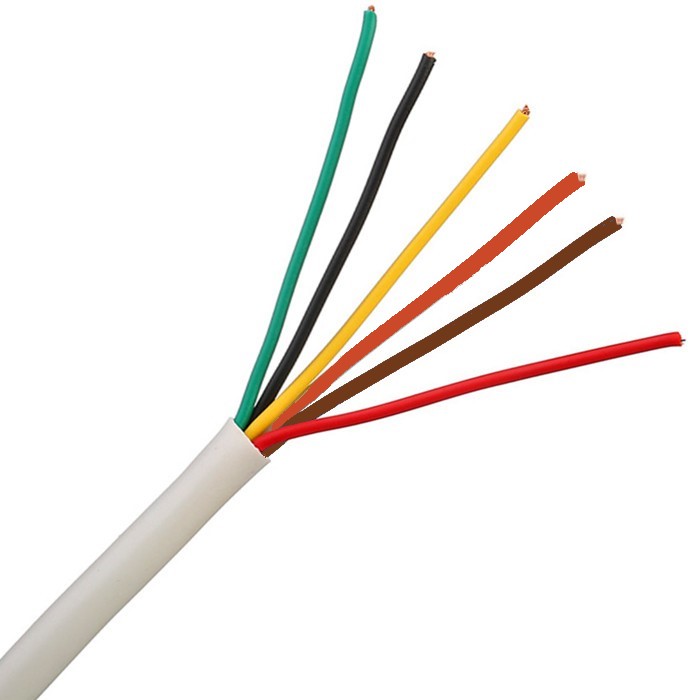
Even within 6 cores, conductor size matters. Ask whether any core will carry power, or if all are low-current signal wires. Typical choices include:
0.5 mm²–0.75 mm² for many control and signal circuits.
1.0 mm² or larger when some cores need to carry higher control currents or for short power feeds.
Specifying the correct conductor cross-section keeps voltage drop and heat generation within safe limits while eliminating overspecification that increases cost and weight.
Correct installation preserves the 6 core control cable’s long life:
Respect minimum bend radius — tight bends are a primary cause of conductor fatigue.
Protect edges and gland entries — use grommets and strain relief to prevent chafing.
Segregate power and control — when possible, separate the control cable from high-power feeders. If separation isn’t possible, select screened cables.
Secure with appropriate clamps — avoid point stresses where cables can rub or pinch.
Label both ends — pre-labelled cores speed up commissioning and troubleshooting.
Following these practical steps reduces the chance of premature failure and simplifies future maintenance.
Not all cables labelled “control” are equal. When comparing suppliers, inspect:
Braid coverage or shield construction — higher braid coverage gives better mechanical protection and more consistent electrical screening.
Conductor stranding class — fine strands are preferable for flexibility.
Datasheet completeness — a quality datasheet lists temperatures, voltages, bend radii and mechanical characteristics.
Test certificates — flame, dielectric and mechanical tests back manufacturer claims.
Traceability and batch numbers — important for critical projects and warranty claims.
These checks help ensure the 6 core control cable you buy is built to perform, not just labelled as such.
Contractors and maintenance teams who standardise on the right 6 core control cable report immediate gains:
Faster installs — one consolidated run replaces multiple individual conductors.
Reduced call-backs — proper screening and sheath selection eliminate many noise-related troubles.
Lower spare inventory — consistent specification means fewer part numbers to stock.
Better safety and code compliance — choosing LSZH where needed and following temperature ratings eases approvals.
These practical outcomes generate savings that exceed the marginal cost difference between generic and purpose-built cables.
To order the correct 6 core control cable, prepare:
Application details — static vs dynamic use, indoor/outdoor, exposure to oils/chemicals.
Electrical requirements — conductor size, voltage rating, any cores used for power.
Environmental constraints — temperature extremes, sunlight exposure, or enclosed spaces needing LSZH.
Length and cutting preferences — reels, pre-cut lengths or labelled assemblies.
Required documentation — datasheets, test certificates and traceability.
Providing these details up front lets suppliers quote precisely and reduces lead time surprises.
Suppliers who specialise in control cabling do more than ship product. They:
help map your application to the correct part number;
provide datasheets and test documentation for procurement and inspection;
offer cut-to-length, labelling and packaging options that save labour on site;
advise on screening/grounding best practices for noise mitigation.
That expertise turns the 6 core control cable purchase into a risk-mitigating decision, not a gamble.
A packaging OEM replaced mixed-conductor bundles with pre-assembled 6 core control cable looms and reduced assembly time on the line by 30%.
An integrator in a high-EMI environment switched to screened 6 core variants and eliminated encoder errors that had caused intermittent stoppages.
A process plant selected braided sheath options for exposed tray runs and avoided repeated replacements under mechanical wear.
Each example shows how the right cable type and vendor knowledge deliver tangible improvements.
When specifying control wiring, treat the 6 core control cable as a first-class component of system design. Pay attention to conductor size, screening vs braid, sheath chemistry and bend radius. Work with suppliers who provide complete datasheets and installation guidance. Getting the cable right up front saves time, reduces downtime and protects production continuity.
If your next project needs consolidated, robust control wiring, choosing a correctly specified 6 core control cable will deliver reliability, easier installation and lower lifecycle cost — the practical foundation for systems that run as intended.