May. 13, 2026
BVR wire for control panel is one of those products that earns attention because it solves a real working problem. Inside a control panel, every conductor has to be easy to route, simple to terminate, and dependable over time. A wire that is too rigid makes the job harder. A wire that is too weak creates confidence problems. A wire that is clearly specified but still practical in the hand is what most installers want, and that is exactly where BVR wire for control panel stands out. Search results show this product being positioned for switchgear, machinery, control systems, and cabinet wiring, which confirms that the market already sees it as a working solution rather than a niche item.
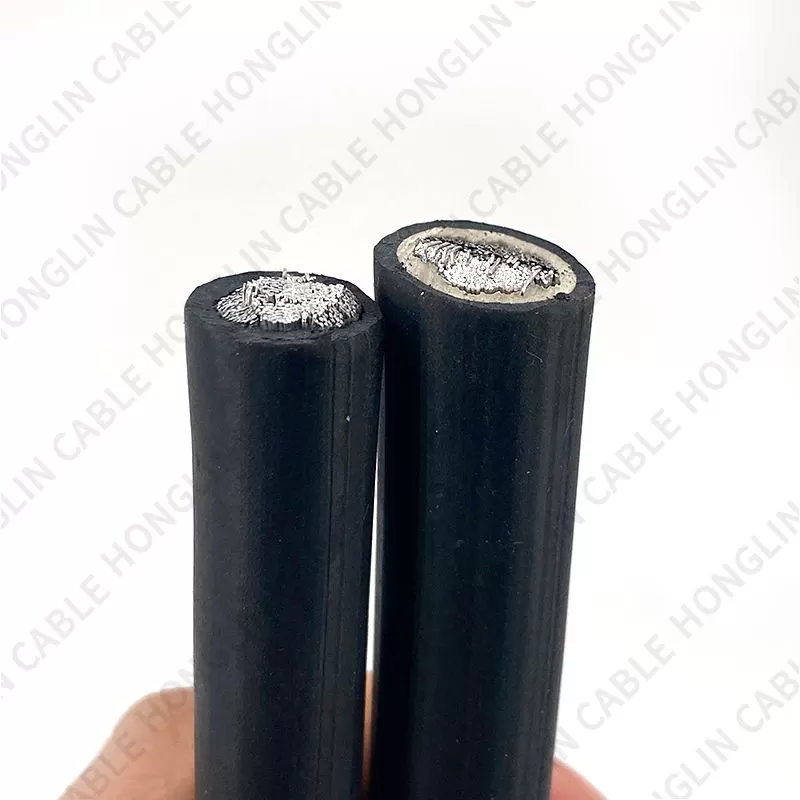
At its core, BVR wire for control panel is a stranded copper conductor with PVC insulation. The multi-strand construction is what gives it flexibility, and that flexibility matters most when the wire has to move through tight cabinet spaces, around components, or into crowded terminal blocks. The product pages that rank well for this keyword consistently describe BVR as a copper-core PVC insulated flexible wire used in fixed wiring for power devices, meters, instruments, and panels where flexible installation is required. In practical electrical work, that is a very persuasive combination.
For an installer, the biggest value of BVR wire for control panel is handling. When you work inside a panel, space is limited and cable management matters. Flexible stranded wire is easier to pull, easier to bend around components, and easier to organize neatly into a finished layout. That saves time during installation and can reduce the frustration that comes with stiffer wire types. Search results from Central Wires specifically note that BVR is widely used in power distribution cabinets, motors, and electrical control systems, and that the wire’s flexibility helps electricians route it through narrow trunking and around components. That is exactly the kind of practical benefit that makes a product stay relevant year after year.
The market also shows that BVR wire for control panel is easy to understand, which is a major advantage in B2B sales. Buyers do not want a long lecture before they can decide whether the wire fits the project. They want the conductor type, insulation type, voltage class, and application to be clear immediately. The pages ranking on the first page do exactly that. They present BVR as a flexible copper wire, typically rated at 450/750V or below, and suitable for fixed wiring in control panels, switchgear, instruments, and power devices. That direct presentation helps buyers move from search to inquiry quickly.
Another reason BVR wire for control panel is so commercially strong is its size range. Product listings show BVR in a broad family of sizes, from small sections like 0.5mm² and 0.75mm² up through 35mm², 95mm², 120mm², and even higher in some catalogs. That matters because panel projects rarely use one wire size only. They need different sections for different circuits, terminals, and current requirements. A supplier that can offer a full size ladder makes procurement easier and increases the chance of repeat orders. In the search results, this broad range appears again and again, which tells us the product is meant to serve serious project needs.
For distributors and wholesalers, BVR wire for control panel is attractive because it is a repeatable product. Control panels, switchboards, and cabinet systems are used in factories, commercial buildings, equipment installations, and power systems. That creates steady demand for flexible wiring that is easy to install and easy to reorder. A customer who buys one size for one project often needs another size later. A supplier who can cover the family of control-panel wiring sizes becomes much easier to trust and much easier to work with on future projects.
The technical language used by ranking pages also supports the trust factor around BVR wire for control panel. Xinhui Cable lists BVR flexible wire with IEC 60227-3, GB/T5023.3, and UL 83 references, and gives a rated voltage of 450/750V, along with guidance on operating temperature and ambient conditions. Other supplier pages emphasize ISO, CCC, and CE approvals. Those details matter because buyers in this category are risk-aware. They are not just buying copper and plastic. They are buying reliability, compliance, and a wire that matches the expected performance in a control cabinet or switchgear environment.
A good way to understand BVR wire for control panel is to compare it with the way manufacturers describe the application. Central Wires says BVR flexible wire is generally used for the power connection wire of equipment and is widely used in distribution cabinets, motors, and electrical control systems. That is a strong signal from the market. It shows that the wire is not just “sometimes used” in panels; it is a natural fit for the environment. In panel wiring, neat routing and dependable connection quality are part of the product’s real value, and BVR helps deliver both.

The first-page results also reveal that BVR wire for control panel is a specification-first keyword. The pages that rank well do not rely on vague promotional claims. They show exact voltage classes, conductor structure, insulation material, use cases, and packing details. One Made-in-China page even labels the product directly as “Factory Direct Bvr Flexible Wire for Electrical Panel Wiring Control Panels Machinery,” which shows how closely the product is linked to this application in the market. When the buyer is already searching with a control panel use case in mind, a precise product description becomes a major advantage.
That is why BVR wire for control panel should be sold as a professional solution rather than a generic wire. The buyer is not purchasing a concept. The buyer is purchasing a conductor that will help make the panel neat, serviceable, and dependable. Inside a cabinet, the difference between awkward wire and flexible wire is visible immediately. Flexible conductors are easier to guide into place, easier to label, easier to terminate, and easier to maintain later. Those are all practical advantages that have real commercial meaning in control system work.
The market also rewards consistency. BVR wire for control panel appears in product listings from manufacturers that emphasize copper quality, PVC insulation, and standardized production. Some listings highlight pure copper conductors, while others point to multi-strand construction designed for flexible use. In a control panel, the buyer wants the wire to be predictable. That is why product pages that mention compliance, voltage rating, and installation environment tend to perform better. Buyers are looking for a product that will fit the system without unpleasant surprises.
A strong sales message for BVR wire for control panel is simple: it is a flexible copper PVC insulated wire designed for control cabinets, switchgear, and machinery connections where installation quality matters. That message is powerful because it matches the way the market already talks about the product. The first-page results repeatedly use phrases like “fixed wiring,” “control systems,” “switchgear,” and “distribution cabinets,” which confirms that this is the right way to position the product. The buyer is looking for practical relevance, not fancy language.
The broader commercial picture is also encouraging. BVR wire for control panel belongs to a product family that can serve multiple needs inside a project. A panel builder may need small control wires, larger power connection sizes, and a supplier who can support both. A distributor may need a product line that includes several conductor sizes with clear voltage ratings and recognized standards. That kind of flexibility makes BVR a strong catalog item because it helps build long-term business, not just one-off sales.
The current ranking landscape shows that the market is already focused on the exact value this product offers. BVR wire for control panel is not competing as a vague general-purpose wire. It is competing as a practical, flexible, cabinet-friendly conductor for real electrical systems. Searchers want a product that can move cleanly through narrow spaces, meet a common low-voltage rating, and stay easy to manage during installation. The pages that rank well are the ones that answer those questions directly, and that is why this product remains visible and commercially strong.
For buyers who want a dependable panel wiring solution, BVR wire for control panel offers a very clear combination of value. It is flexible enough to make installation easier, standardized enough to make procurement simple, and broad enough in size range to serve many types of projects. That combination is one of the main reasons it continues to appear across manufacturer pages, control cabinet listings, and wholesale catalogs. In the electrical market, products that make the work cleaner and the buying process easier usually keep winning.
In practical terms, BVR wire for control panel is a workhorse product. It gives panel builders the handling they need, gives distributors a dependable repeat-order item, and gives buyers a wire that fits the system without creating unnecessary complexity. The search results make the commercial pattern very clear: buyers are choosing between product pages that present technical facts, standards, and application fit. That is why this wire remains one of the most sensible choices for serious electrical installation work.