Jul. 14, 2026
The keyword BV cable standard is a high-value technical search term with strong commercial intent. Users searching this phrase are generally electrical engineers, EPC contractors, distributors, importers, wholesalers, and project procurement managers who need authoritative information before selecting building wires for residential, commercial, or industrial projects.
An analysis of Google's first-page search results shows that the ranking pages are primarily composed of:
Cable manufacturer product pages
Technical specification sheets
National standard interpretation articles
Industrial cable catalogs
Electrical engineering reference websites
While these pages provide useful information, several common weaknesses are evident:
Most explain only one national standard instead of comparing international standards.
Many focus on specifications but provide little practical guidance for engineers and buyers.
Product applications are often mentioned briefly without discussing installation environments.
Technical testing methods and manufacturing quality control receive limited attention.
Purchasing recommendations for international buyers are generally missing.
These content gaps create an opportunity for a comprehensive technical article that combines engineering knowledge, product applications, manufacturing expertise, and practical purchasing guidance. Such content is more likely to satisfy user intent while supporting strong search visibility.
Selecting an electrical cable is about more than choosing the correct conductor size. Engineers, contractors, and purchasing professionals must also ensure that every cable complies with recognized quality and safety requirements. This is why understanding the BV cable standard is essential before purchasing or installing any building wire.
A BV cable standard defines the technical requirements that manufacturers must follow during design, production, inspection, and testing. It establishes consistent specifications for conductor materials, insulation thickness, electrical performance, mechanical strength, and long-term reliability.
For international buyers, compliance with an appropriate BV cable standard provides confidence that the product will perform safely throughout its service life.
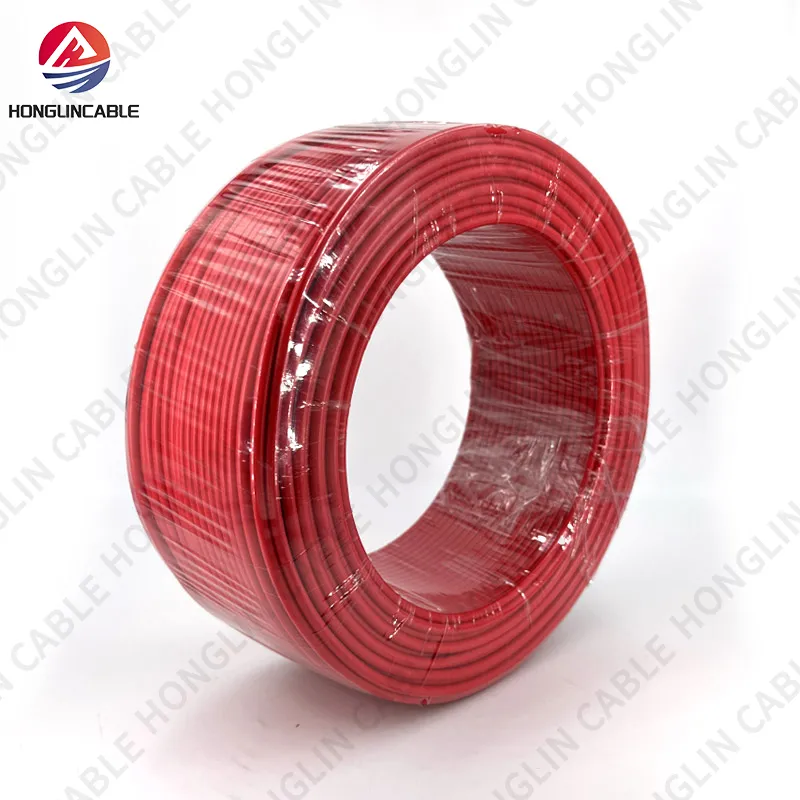
BV cable is a PVC insulated single-core copper conductor designed primarily for fixed installation in low-voltage electrical systems.
Because of its simple construction and reliable performance, BV cable has become one of the world's most commonly installed building wires.
Typical applications include:
Residential electrical wiring
Commercial buildings
Industrial workshops
Office complexes
Educational facilities
Hospitals
Hotels
Infrastructure projects
Every qualified product is manufactured according to a specific BV cable standard, ensuring consistent quality across different production batches.
Electrical systems operate continuously for many years. Even small manufacturing deviations can affect safety, efficiency, and service life.
A recognized BV cable standard helps guarantee:
Stable electrical conductivity
Consistent insulation performance
Reliable mechanical strength
Safe operating temperatures
Long service life
Uniform manufacturing quality
Without compliance with a recognized BV cable standard, products may vary significantly in quality, creating unnecessary risks during installation and operation.
Different countries adopt different technical specifications for building wires.
Some of the most widely recognized standards include:
The International Electrotechnical Commission establishes globally accepted requirements for low-voltage electrical cables.
IEC standards are widely adopted in Europe, Asia, Africa, and many international engineering projects.
China manufactures a large percentage of the world's building wires.
GB standards define conductor resistance, insulation thickness, testing procedures, and product identification for domestic and export markets.
British Standards are frequently specified in construction projects throughout the United Kingdom, the Middle East, and numerous Commonwealth countries.
German engineering standards emphasize precision manufacturing and strict quality control.
North American projects may reference ASTM material requirements together with local electrical codes.
Each BV cable standard serves the same purpose—ensuring electrical safety and product consistency—while differing slightly in testing methods and regional requirements.
Although standards vary between countries, most include similar technical requirements.
A professional BV cable standard specifies:
Copper purity
Electrical conductivity
Conductor resistance
Cross-sectional tolerance
Surface quality
High-purity copper minimizes energy loss while improving long-term reliability.
Insulation requirements normally include:
Uniform thickness
Dielectric strength
Flame resistance
Heat resistance
Aging resistance
Mechanical durability
The insulation requirements contained within a BV cable standard help prevent electrical leakage and improve operational safety.
Most building wires are produced with standard voltage ratings such as:
300/500V
450/750V
The selected voltage class depends on project requirements and local regulations.
A compliant BV cable standard ensures that insulation performance matches the declared voltage rating.

Producing high-quality cables requires more than quality raw materials.
Professional manufacturers implement strict production procedures that fully comply with the applicable BV cable standard.
Production typically includes:
Copper rod inspection
↓
Wire drawing
↓
Annealing
↓
Conductor stranding (when required)
↓
PVC insulation extrusion
↓
Cooling
↓
Diameter measurement
↓
Spark testing
↓
Printing
↓
Finished product inspection
Every manufacturing stage contributes to compliance with the required BV cable standard.
Testing is one of the most important sections of any BV cable standard.
Typical inspection items include:
Conductor resistance testing
Insulation resistance testing
High-voltage testing
Spark testing
Tensile strength testing
Elongation testing
Aging testing
Flame-retardant testing
Dimensional inspection
Visual examination
Only products that successfully pass every required inspection should enter the global market.
A compliant BV cable standard supports safe installation across numerous industries.
BV cable supplies lighting circuits, socket outlets, air conditioners, and household distribution boards.
Hotels, shopping centers, office towers, and hospitals rely on standardized BV cable for stable electrical distribution.
Factories use BV cable for control panels, auxiliary power circuits, and internal equipment wiring.
Airports, railway stations, schools, and government facilities require building wires that comply with recognized BV cable standard requirements.
Purchasing compliant products provides several important benefits.
Reliable electrical performance
Lower energy losses
Improved installation safety
Longer operating life
Better mechanical durability
Stable insulation quality
Consistent manufacturing
Lower maintenance costs
Higher project reliability
These advantages explain why experienced engineers carefully verify compliance with the applicable BV cable standard before purchasing.
Professional buyers should evaluate several factors before placing an order.
These include:
Manufacturing certifications
Factory quality management
Product inspection reports
Copper material quality
Insulation consistency
Production equipment
Laboratory testing capability
Export experience
Manufacturers capable of demonstrating complete compliance with a recognized BV cable standard generally offer greater product consistency and technical support.
The global electrical industry continues to evolve.
Growing investment in:
Smart cities
Renewable energy
Commercial construction
Data centers
Transportation infrastructure
Industrial automation
has significantly increased demand for premium building wires.
As electrical systems become more sophisticated, buyers increasingly require products manufactured according to internationally recognized BV cable standard requirements.
Quality documentation, traceability, and consistent production have become decisive purchasing factors.
Selecting a qualified supplier is just as important as selecting the correct cable specification.
An experienced manufacturer should provide:
Stable production capacity
Modern manufacturing equipment
Strict quality inspection
Technical engineering support
Custom production capability
OEM and private label services
Export packaging solutions
Fast delivery schedules
Complete product documentation
Working with a supplier that consistently manufactures products according to a recognized BV cable standard helps reduce procurement risks while improving long-term customer satisfaction.
The BV cable standard serves as the technical foundation for safe, reliable, and consistent building wire manufacturing. It defines every critical aspect of product quality, from conductor purity and insulation performance to electrical testing and mechanical durability.
Whether the application involves residential housing, commercial buildings, industrial facilities, or public infrastructure, selecting products manufactured in accordance with an appropriate BV cable standard ensures higher safety, longer service life, and greater operational reliability.
For distributors, contractors, engineering companies, and global importers, choosing an experienced manufacturer that strictly follows internationally recognized BV cable standard requirements is a strategic investment. High-quality production, comprehensive testing, and dependable technical support not only improve project performance but also strengthen long-term business partnerships in an increasingly competitive global electrical cable market.