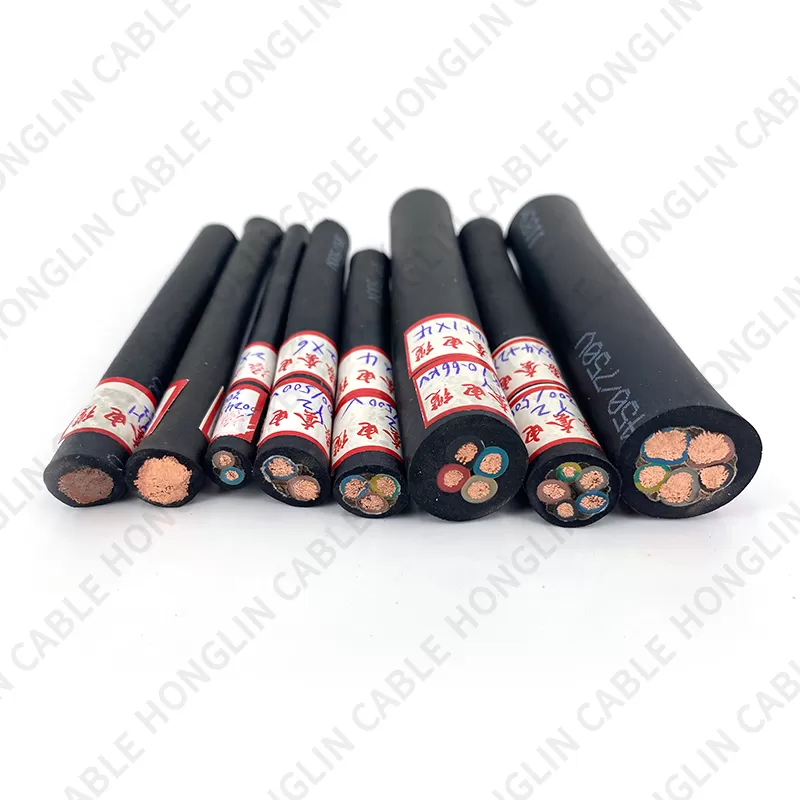
BV cable is one of the most practical electrical wire products in the market because it solves a very ordinary problem in a very dependable way. When a project needs a conductor for fixed wiring, building circuits, lighting, sockets, appliances, or control connections, buyers want something that is easy to understand, easy to install, and easy to trust. The product pages that rank for this term do not hide the details. They show copper conductors, PVC insulation, standard voltage ratings, and clear use cases. That directness is exactly what buyers need when they are comparing suppliers and deciding whether the wire fits the project.
A strong BV cable starts with copper. Copper remains the benchmark conductor for electrical work because it combines high conductivity, ductility, malleability, and corrosion resistance. That is why copper appears again and again in the ranking pages. One manufacturer describes BV cable as a single-strand solid copper core with PVC insulation made from 99.99% oxygen-free copper, while another page presents it as a solid copper building wire for residential use. In practical terms, copper gives the cable the electrical reliability that buyers expect from a serious fixed-wiring product.
The insulation is the second part of the story. BV cable is repeatedly described as PVC insulated and usually rated for AC voltage up to 450/750V. Some supplier pages also mention suitability for 300/500V or below in certain equipment applications. IEC 60227 is a key reference in the search results, and GB/T5023-2008 appears on multiple pages as well. That matters because buyers in this category are not just purchasing a wire name; they are buying a product that fits a recognized low-voltage installation family. A cable that matches a clear standard is much easier to specify and much easier to approve in real projects.
One reason BV cable remains so widely used is that it is simple to explain. It is a single-core copper wire with a certain hardness, often described by suppliers as a hard wire or rigid conductor cable. That makes it especially useful in fixed places where the conductor does not need repeated bending after installation. In the search results, that fixed-wiring role is repeated again and again: power supply, lighting, socket circuits, air conditioning, house wiring, appliances, and internal fixed installation. Buyers who search for this wire are usually not looking for something exotic. They are looking for a standard conductor that does a standard job well.

The market also shows that BV cable has a very broad application range. One supplier page says it is used mainly for power supply, lighting, sockets, air conditioning, power devices, daily appliances, instruments, and communication equipment. Another page adds household appliances, meters, telecommunication equipment, and building decoration. That range is important because it means the same cable family can serve many ordinary electrical tasks across homes, buildings, and equipment wiring. A product that can fit that many use cases has a natural advantage for wholesalers, distributors, and contractors who want a cable they can stock and reorder with confidence.
For installers, the practical value of BV cable is that it supports a clean, stable, and predictable wiring layout. It is a fixed-wiring product, which means it is meant to stay in place and do its job over time. A rigid single-core conductor can be easier to specify in a building or equipment plan because the installation is straightforward and the product behaves in a familiar way. That is one reason the search results repeatedly connect this cable to building wire, internal fixed installation, and general-purpose electric wiring. In real projects, the wire does not need to be fancy; it needs to work reliably and fit the layout without confusion.
A good BV cable product page should also make the technical limitations clear. One ranking page notes a normal conductor temperature of 70°C and an installation temperature that should not be below 0°C. Another page positions the product for fixed places and indoor use rather than harsh outdoor environments. That matters because buyers need the right conductor for the right environment. A supplier who explains operating conditions honestly helps the buyer make a better choice and reduces the chance of misunderstanding later. In electrical products, clarity is as important as the product itself.
The search results also show why BV cable is so often compared with related wire families. One page lists BV and BVR together, while other supplier pages show BV as the rigid single-core wire and BVR as the flexible stranded option. That comparison helps buyers understand where BV belongs. If a project needs a cable for a fixed route, the rigid structure can be a good fit. If the installation needs more flexibility around corners or inside cabinets, a different family may be preferred. A strong product page should help buyers make that distinction quickly rather than leaving them to guess.
The commercial reason BV cable stays so visible in search is that it is a repeat-order item. Homes, apartments, offices, workshops, and small commercial projects all need basic fixed wiring, and BV is one of the standard products buyers return to again and again. A supplier who can offer consistent conductor quality, stable PVC insulation, and clear size options has a real advantage because the product becomes part of the buyer’s normal sourcing routine. That is why the ranking pages are overwhelmingly factory and marketplace listings: people searching this term are already in procurement mode.
A strong BV cable sales message should therefore stay simple and practical. The wire is a single-core copper conductor with PVC insulation, designed for fixed wiring in buildings, homes, and common electrical systems. It fits power supply, lighting, socket circuits, appliances, meters, and communication equipment. It is easy to understand, easy to specify, and easy to trust when the supplier provides clear standards and operating information. That is what the market rewards on page one: direct product language that helps the buyer move quickly from search to inquiry.
Another strength of BV cable is that it helps keep installation costs predictable. Fixed wiring is one of the most common electrical tasks, and a standard single-core conductor with clear voltage ratings gives contractors and project buyers a familiar cost structure. Buyers can compare by meter, by size, and by quantity, and many pages show price bands or MOQ levels to make that easier. In a market like this, a cable that is simple to quote and simple to stock becomes much more attractive than a product that requires a long technical explanation every time.
For distributors, BV cable works because it covers everyday demand without becoming complicated. It is common enough to move regularly, familiar enough to sell quickly, and standard enough to fit many project types. That kind of product is valuable in electrical supply because it does not rely on a single trend or niche. It remains useful in ordinary wiring work, and ordinary wiring work is what keeps the market moving year after year. The page-one results make that clear: this is a product family built for consistent practical demand.
In the end, BV cable succeeds because it does what a good electrical wire should do. It provides copper conductivity, PVC insulation, a recognized fixed-wiring structure, and a voltage class that fits common building and household projects. The current search landscape shows a market that values technical clarity, standard references, and practical applications. That is why this product family continues to hold a strong place in the electrical supply chain, and why buyers keep returning to it when they need a dependable fixed-wiring solution.