When buyers search for building wire, they are usually looking for more than a cable name. They want a conductor they can trust in real construction and installation work, a product that is easy to specify, and a supplier that can deliver consistently. The first-page results show that clearly. The pages ranking best are product-led and technical, not general or editorial. They describe copper conductors, PVC insulation, and standard low-voltage classes, which tells us the market values clarity more than clever marketing. That is exactly what makes building wire such a durable category in electrical supply.
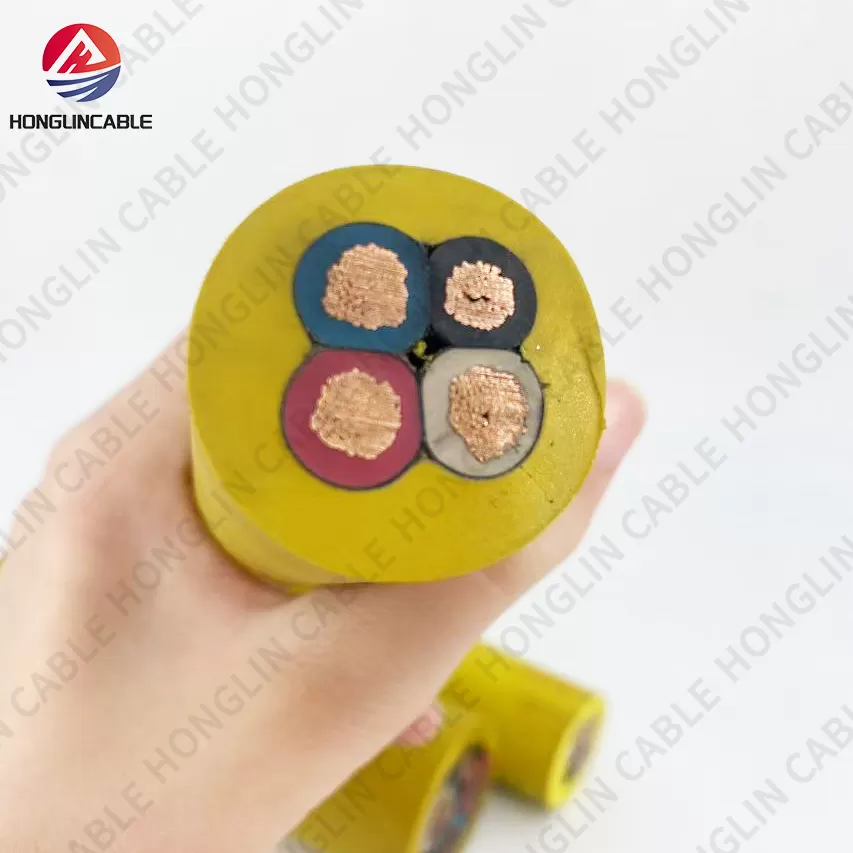
A quality building wire starts with copper, because copper remains the benchmark electrical conductor. Copper is widely used in electrical systems because it combines high conductivity with ductility, malleability, and corrosion resistance. The USGS notes that copper is central to power transmission, building construction, telecommunications, and electronics, while industry references continue to treat copper as the standard conductor for serious electrical work. In practical terms, that means a copper-based building wire gives buyers the dependable electrical performance they expect from a material that has already proven itself across decades of use.
The standards side matters just as much. The electrical pages in the search results repeatedly point to 450/750V and 300/500V low-voltage classes, and IEC 60227-1, IEC 60227-3, and IEC 60227-5 all define PVC-insulated cable families in those ranges. That matters because buyers want a building wire that fits a recognized technical category, not a vague generic product. A conductor that fits a known standard is much easier to specify, easier to compare, and easier to approve in real projects. The best supplier pages do not hide that information; they put it right up front because that is what the buyer needs to see.
For installers, building wire matters because it has to be practical in the field. Flexible copper conductor versions are easier to route through conduit, easier to turn around corners, and easier to organize neatly inside panels, distribution boxes, and switchgear. Supplier pages repeatedly connect this type of wire with building wiring, internal fixed wiring, and electrical installation work because flexibility saves time and reduces frustration on the job. In the real world, a building wire that cooperates with the layout is often more valuable than a cheaper wire that creates problems during installation.
One reason building wire remains so popular is that the market shows a very clear size ladder. The search results include common sections like 1.5mm², 2.5mm², 4mm², 6mm², 10mm², 16mm², 25mm², and 35mm², while some supplier pages extend much further. That broad size range matters because real projects rarely need one conductor size only. A home project may need smaller wire for lighting or sockets, while larger sections may be needed for distribution or equipment connections. A building wire family that covers many sizes makes purchasing easier and helps buyers standardize on one familiar product line.
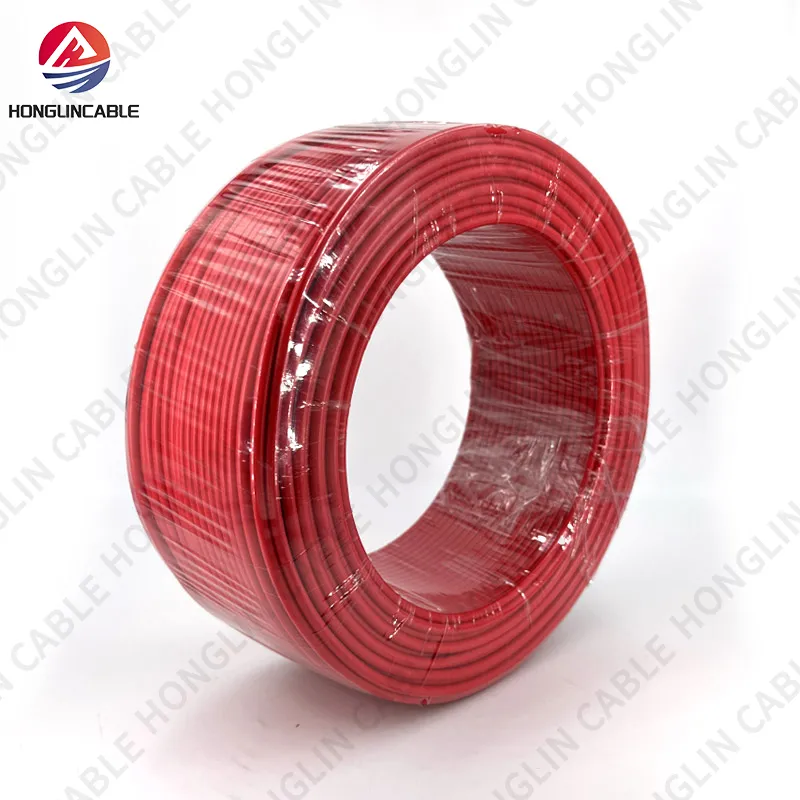
A strong building wire also needs to be easy to understand from the product page alone. The best-ranking listings show the important details immediately: copper conductor, PVC insulation, voltage class, conductor shape, and the environment where the cable should be used. One supplier describes a flexible 450/750V copper conductor PVC-insulated electric wire for building use, while another lists low-voltage PVC-insulated building wire with 99.7% pure copper and 100m roll packaging. That kind of direct presentation is powerful because buyers do not want a long explanation before they can tell whether the product fits the project.
In residential projects, building wire has to support the everyday electrical needs that keep a space functional and safe. The search results repeatedly connect the product with household wiring, power lighting, sockets, air conditioning, appliances, meters, and communication equipment. That broad use profile is one reason the category stays commercially strong. It is not tied to one niche or one unusual application. It is a practical wire family that fits the ordinary electrical work found in homes, apartments, offices, and renovation projects.
For distributors, building wire is especially valuable because it is a repeat-order product. Once a contractor uses one size successfully, that same family is likely to be used again on the next job. Search results from Made-in-China and Alibaba show this clearly by presenting the wire as a common building and house wiring product in multiple size bands, often with MOQ and bulk order logic attached. A building wire that is easy to reorder and easy to explain becomes much more than a single sale; it becomes part of a buyer’s standard sourcing habit.
A good building wire supplier should also be able to show quality signals that buyers recognize. The pages ranking well often mention ISO9001, CE, and CCC certification, along with pure copper or oxygen-free copper claims. Those details matter because the buyer is often purchasing a product that will be hidden inside walls, ceilings, panels, or equipment after installation. When the cable is no longer visible, the trust has to come from the technical description and the supplier’s quality story. A building wire listing that shows standards and conductor quality is much easier to trust than one that only shows a low price.

Another reason building wire is strong in the market is that the price structure is easy to compare online. The product pages and showroom pages in the results show that the market is comfortable with meter-based or volume-based pricing, and many listings are built around 100m rolls or bulk order quantities. That helps buyers compare project costs more accurately. In practical purchasing, a building wire quote is not just about the unit price; it is about the size, the copper content, the voltage class, the packaging, and the order quantity. The best suppliers make all of that visible so the buyer can decide quickly.
The best building wire pages also make the application story simple. One product page lists use in home wiring and construction, another describes indoor applications, and another shows it as a cable for electric wire and building projects with recognized standards. That consistency matters because buyers want to know whether the wire is suitable for fixed installation, whether it belongs in indoor electrical systems, and whether it matches the voltage class their project requires. A cable that is clearly positioned is easier to sell and easier to trust.
For project buyers, the real value of building wire is peace of mind. They want a product that carries current reliably, installs cleanly, and fits a standard electrical framework. Copper gives the conductor performance. PVC gives everyday insulation protection. Flexible or single-core construction gives the right installation behavior depending on the job. And the recognized 450/750V and 300/500V families tell the buyer exactly where the product belongs. That combination is why building wire continues to hold such a strong place in the electrical market.
A supplier selling building wire well should focus on the facts buyers care about most: conductor material, insulation type, voltage class, available sizes, certification, and order flexibility. That is what the first-page results reward. They do not reward vague claims or broad explanations. They reward product clarity. In this market, the wire that is easiest to specify is often the wire that gets the order. That is why building wire remains one of the most practical and reliable cable categories for residential and commercial electrical work.
In the end, building wire succeeds because it does what a good electrical product should do. It combines copper conductivity, PVC insulation, standard low-voltage ratings, and practical installation behavior in one familiar product family. The search landscape makes the buying logic very clear: buyers want a dependable wire they can trust in homes, buildings, and equipment installations, and the strongest suppliers are the ones that present those facts directly. That is why building wire continues to be a durable, high-demand product category in the electrical market.