Dec. 02, 2025
When you look for a 2 0 welding cable for sale, you’re not just buying copper and insulation — you’re buying uptime, arc stability and safety. The right lead delivers reliable current, tolerates repeated reel cycles and stands up to oils, abrasion and harsh storage conditions. Choose poorly and you’ll replace cables, redo terminations, and lose production time. Choose wisely and a single purchase will serve your fleet for years.
A 2 0 welding cable for sale is a go-to for mobile welders, service trucks and maintenance teams because it balances ampacity with manageability. It carries the high short-term and continuous currents typical of stick and MIG welding on moderate runs while remaining small enough to reel, stow, and route through common conduit and trays. The choice isn’t purely about gauge — conductor geometry and jacket compound are what determine real-world durability.
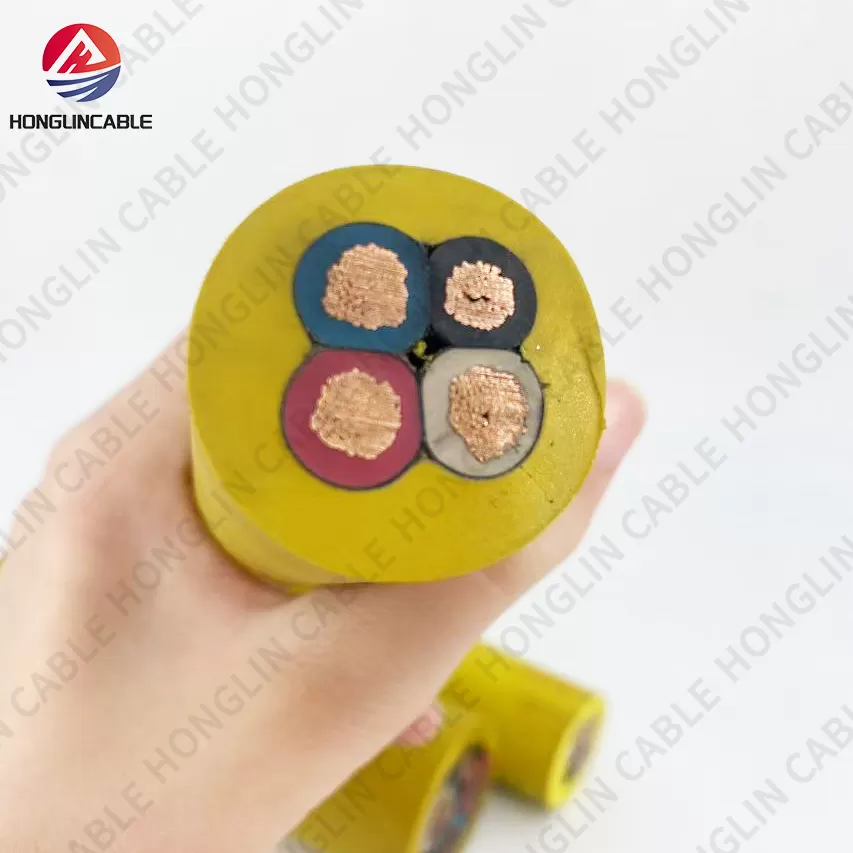
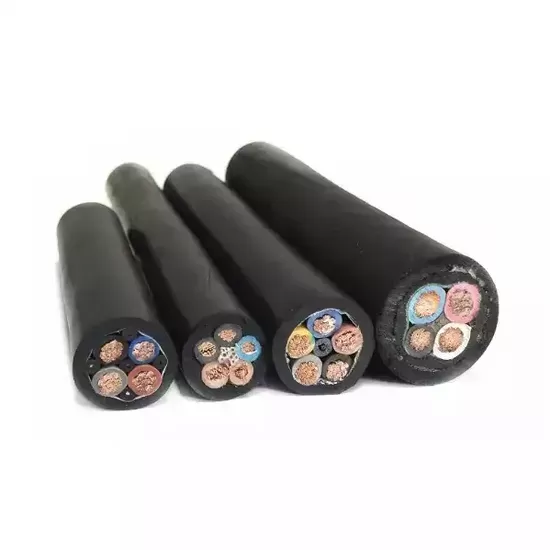
When comparing any 2 0 welding cable for sale, insist on strand-count information. Two cables with the same gauge can behave very differently if one is rope-lay with thousands of fine filaments and the other uses coarse strands. Fine-strand constructions flex many more cycles, crimp cleaner, and resist localized fatigue by distributing stress across filaments. For reels, rental fleets, or any cable that will be moved daily, strand breakdown is the single most important specification to check.
The jacket protects the conductor and decides whether a 2 0 welding cable for sale will survive engine rooms, outdoor yards and abrasive work. EPDM and neoprene jackets keep flexibility in cold, resist oil and ozone, and tolerate UV and abrasion far better than basic PVC. If your cables live where grease, diesel and grit are common, specifying an EPDM-style jacket with a rated temperature range will save replacement cost and downtime.
To evaluate any 2 0 welding cable for sale properly, require suppliers to provide at minimum:
conductor construction (strand count and filament diameter),
DC resistance at 20 °C (Ω per length) for voltage-drop calculations,
rated voltage and operating temperature range, and
minimum bend radius and nominal outer diameter for reel planning.
These figures turn a marketing photo into an engineering decision and prevent costly surprises under load.
A 2 0 welding cable for sale typically supports substantial ampacity, but run length and welding duty change the picture. Use the published DC resistance to compute round-trip voltage drop at the expected peak and average currents. Welding presents brief high peaks; verify both surge and continuous limits. If end-voltage looks marginal, step up conductor size or shorten the run — the small extra copper cost usually beats poor welds or stressed inverters.
In field practice, most failures happen at the lug, not midspan. When assembling any 2 0 welding cable for sale, follow these rules:
use compression lugs sized for the conductor and stud, ensuring the lug barrel fully captures all strands,
crimp with the tooling die the lug manufacturer specifies and verify mechanical hold,
apply heat-shrink and strain-relief boots so bending forces do not concentrate at the crimp, and
commission critical joints with a thermal check under load to catch marginal connections early.
A good termination preserves the conductor’s low resistance and prevents dangerous hot spots.
Even the best 2 0 welding cable for sale will fail fast with poor handling. Institute these straightforward practices to protect leads:
use reels with a drum diameter that respects the cable’s minimum bend radius,
route through grommets or edge guards to prevent chafing,
clean jackets before rewinding to remove grit and filings, and
rotate reel usage so wear is distributed across stock.
Small operational changes deliver large reductions in replacement frequency.
You’ll commonly use a 2 0 welding cable for sale for:
portable welding stingers, whips and ground leads,
generator hookup and temporary site distribution,
battery interconnects and inverter feeds for mobile power, and
flexible feeder leads for portable motors and compressors.
For each use, match jacket chemistry and strand geometry to the expected mechanical and environmental stresses.
There are justified cases to pay a premium for a 2 0 welding cable for sale:
tinned conductors for salt-spray and corrosive atmospheres to improve longevity at terminations,
ultra-flex constructions with extremely high strand counts for rental and robotic applications that flex millions of cycles, and
specialty jackets (flame retardant, low smoke, chemical resistant) where regulations or hazards demand them.
A modest extra per-metre cost for these features typically reduces life-cycle cost and outage risk.

When asking vendors for a 2 0 welding cable for sale, include these mandatory fields so offers are comparable:
conductor construction: exact strand count and filament diameter,
DC resistance at 20 °C and any ampacity/duty tables,
jacket/insulation chemistry and rated temperature range,
minimum bend radius, outer diameter and packaging (pre-cut coil vs spool), and
required test certificates (mill test, insulation resistance, hipot) and sample acceptance policy.
A precise RFQ forces apples-to-apples responses and prevents low-spec substitutions.
The 2 0 welding cable for sale with the cheapest sticker is rarely the best value. Consider installed cost: termination labour, expected replacement interval, and cost of downtime when a lead fails. Many operations find a manufacturer-branded, high-strand, EPDM-jacketed cable yields the lowest cost per operating hour despite a higher per-foot price.
Teach crews this 60-second pre-use routine for every 2 0 welding cable for sale:
visually inspect the jacket along the full length for cuts, gouges or flattening,
verify lug barrels are fully seated and strain relief is in place, and
look for discoloration or softening near terminations that indicates prior overheating.
A quick check prevents most cable problems and improves safety.
A short maintenance program keeps leads reliable:
log reel IDs and batch numbers for traceability and warranty claims,
clean and inspect jackets after heavy use,
thermally inspect critical terminations during commissioning and periodically, and
retire any cable with exposed strands or deep jacket damage.
Consistent care converts a purchase into a dependable asset.
When you order a 2 0 welding cable for sale, treat the purchase as a systems decision: specify strand geometry for flex life, pick jacket chemistry for the environment, require DC resistance and temperature ratings on the datasheet, and insist on professional termination and inspection. Do these things once and your leads will be dependable, safe and cost-effective tools that keep crews productive and reduce whole-life cost.