Nov. 30, 2025
If you’re checking 16mm welding cable price you’re balancing two things: the sticker per metre and the real lifetime cost of the product. To a buyer the number on the invoice matters, but what really drives cost on the job is how long the cable survives, how well it terminates and whether it keeps voltage drop within acceptable limits. This guide explains what the price includes, what it doesn’t, and how to turn a per-metre quote into a reliable installed asset.
When you compare 16mm welding cable price, the cheapest offer may lack essential details. Always compare:
strand construction (how many filaments make the conductor),
DC resistance at 20 °C (used to calculate voltage drop),
jacket material and thickness (EPDM/neoprene vs PVC), and
packaging (cut length, reel or pre-terminated kit).
A per-metre price without conductor and jacket specifications is a risky comparison: two cables with the same cross-section can behave completely differently on the reel.
Market listings show a wide per-metre spread for 16 mm² cable. Retail per-metre prices for common PVC-insulated 16 mm² cable often sit in the lower band, while elastomeric, extra-flex or branded products command a premium. Bulk buying and long reels push the unit price down significantly; conversely, single-metre or short-cut purchases and finished leads with lugs are more expensive per metre because of handling and added parts.
When you shop 16mm welding cable price, expect to pay more for:
high strand-count (ultra-flex) conductors,
EPDM/neoprene jackets or specialty flame-retardant compounds,
pre-termination, lug kits and heat-shrink bundles, and
small quantity retail convenience.
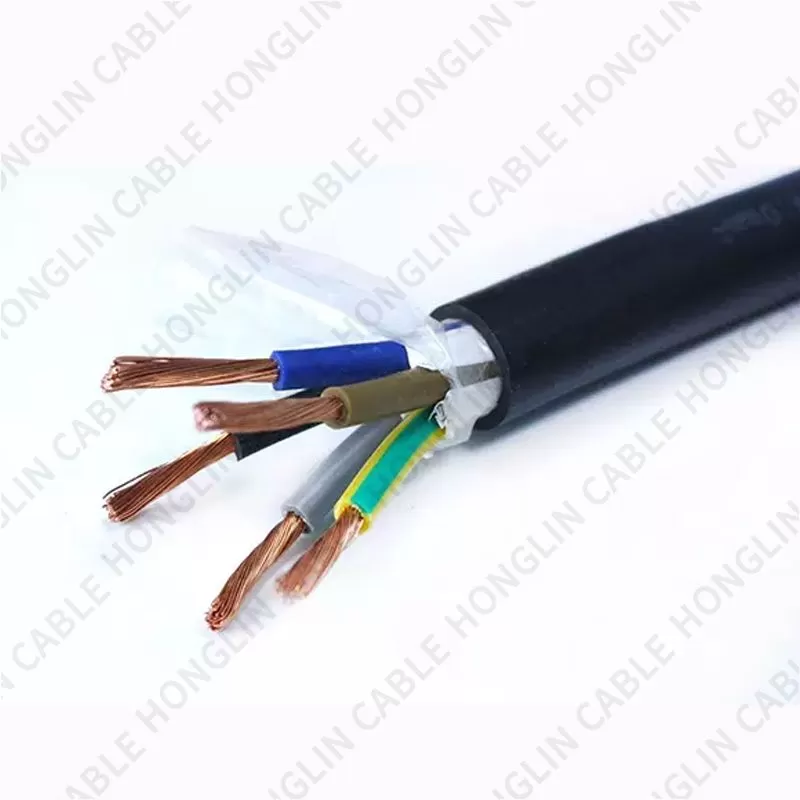
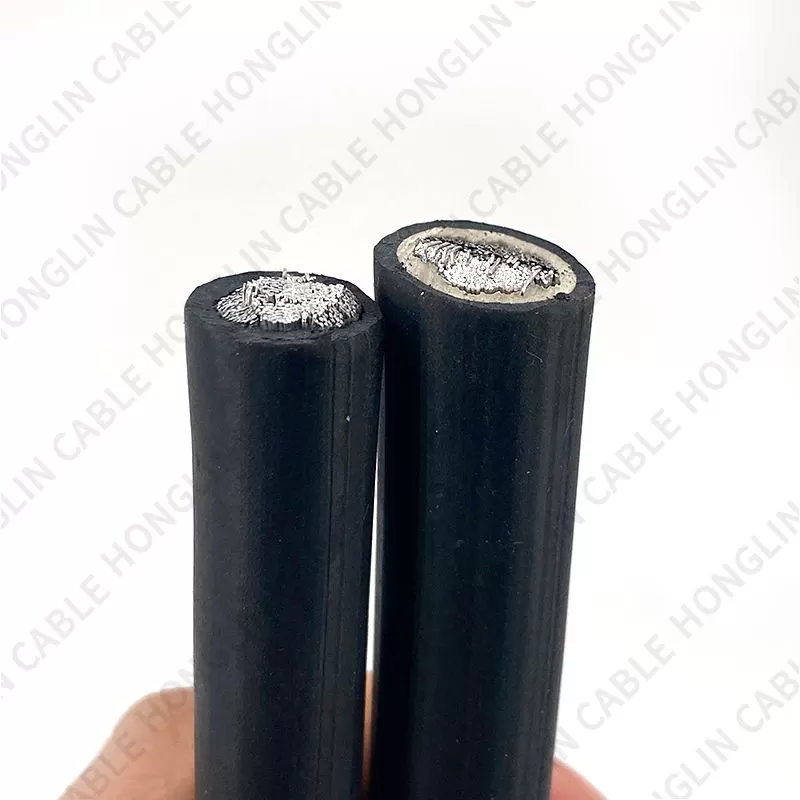
A key reason a particular 16mm welding cable price is higher is strand geometry. A rope-style conductor made of many fine filaments flexes thousands more cycles than a coarse-strand conductor. That extra life can make a higher per-metre price a bargain over the long run because the cable won’t be replaced as often. If your operation reels and unreel leads daily — rental fleets, service trucks or busy shops — prefer a higher-strand product even if the 16mm welding cable price is higher up front.
Jacket chemistry is another major driver of 16mm welding cable price. A PVC jacket is economical and ok for protected indoor wiring, but it hardens in cold, offers limited oil resistance and fails sooner on rough sites. Elastomeric jackets (EPDM or neoprene) add to the unit cost but deliver substantially longer service life in oily, abrasive or outdoor environments. When you’re comparing 16mm welding cable price, allocate part of the budget to jacket quality if the cable will be exposed to real-world abuse.
Retailers often sell 16mm cable by the metre or as pre-cut, ready-to-use leads. Pre-cut or pre-terminated leads are convenient — you walk away with a ready tool — but that convenience shows up in the 16mm welding cable price. For long-term fleet outfitting, buying full reels and terminating in-house is usually cheaper per metre. For one-off repairs or emergency swaps, the convenience premium on a pre-cut lead can be justified.
To turn a quoted 16mm welding cable price into an installed cost, add:
termination labour and tooling amortisation,
lug and heat-shrink costs (if not included),
expected replacement interval based on flex and environment, and
potential downtime cost if failure leads to halted work.
A slightly higher per-metre cost for a robust cable often reduces installed cost per year because replacements, emergency repairs and downtime fall significantly.
When you request quotes, make 16mm welding cable price comparisons easier by demanding these datasheet items:
strand count and conductor construction detail,
DC resistance at 20 °C (Ω per metre or per km),
jacket material and rated operating temperature, and
minimum bend radius and outer diameter.
If the supplier also provides ampacity or welding duty charts, use them to validate that the cable will not overheat under your expected load profile. These numbers let you convert per-metre price into real-world performance and value.
If the 16mm welding cable price is outside your planned budget, there are ways to lower cost without accepting low-quality cable:
increase order volume to access reel pricing,
accept a simpler jacket where environment allows,
eliminate pre-termination and handle terminations in-house, and
negotiate multi-order framework pricing with lead-time commitments.
Suppliers typically give better per-metre rates for predictable, larger purchases.

Spend a little more per metre when you actually need the benefits. Pay the higher 16mm welding cable price for:
extra-flex constructions when cables are frequently reeled,
EPDM/neoprene jackets for oily or cold environments,
tinned conductors for marine/corrosive conditions, or
pre-terminated kits when you lack certified crimp tooling and need immediate deployment.
In these cases the premium delivers measurable operational benefits that justify the price.
Regional listings and market pages show concrete examples of how 16mm welding cable price varies: retail per-metre offers in certain marketplaces sit much lower than small-cut retail prices in other regions, while specialized branded cables appear at higher points. Use example quotes strictly to understand ranges — always verify the strand count and jacket chemistry behind any low or high price.
A low 16mm welding cable price can be undermined by poor terminations. If lugs are undersized or crimps are poorly made, the joint becomes the weak link and will heat, failing earlier than the cable itself. Always budget for proper lugs, correct crimp tools, and strain-relief boots; consider factory-prepared leads only if the supplier certifies the crimping process and provides test records.
Caring for cables increases their effective life and reduces the long-run cost of the 16mm welding cable price you paid. Simple practices — correct reel diameter, edge protection at pass-throughs, cleaning jackets before winding, and periodic inspection of terminations — extend service life dramatically. A maintenance program turns a higher initial price into better value.
When you request a quote, include the following to compare 16mm welding cable price apples-to-apples:
conductor construction: strand count and filament size;
DC resistance at 20 °C and any ampacity/duty-cycle charts;
jacket chemistry, thickness and rated operating temperature;
packaging (per metre, spool length, pre-cut, pre-terminated) and unit pricing; and
test certificates (mill test, insulation resistance, any batch traceability).
This checklist prevents surprise substitutions and ensures the cable you price is the cable you receive.
The 16mm welding cable price on a quote is only the starting point. Evaluate the conductor build, jacket chemistry, termination plan and maintenance capability before deciding. A modest premium per metre often saves time and money in replacements and downtime; conversely, a low per-metre price that neglects flex life or jacket durability usually costs more over the life of the asset. Buy thoughtfully, specify clearly, and your cables will become dependable tools rather than recurring headaches.