Nov. 27, 2025
When people search for a 1 gauge welding cable, they’re not buying novelty — they want a dependable conductor that carries heavy current, flexes on reels and survives the daily grind. One gauge number alone doesn’t guarantee field performance. Strand geometry, jacketing material and termination practice are what separate a short-lived lead from a tool that stays in service for years. This guide helps procurement, maintenance and field teams evaluate product pages, read datasheets and pick a 1 gauge welding cable that reduces downtime and total cost of ownership.
If you click a product after searching for 1 gauge welding cable, you’ll typically find either a cut-length retail listing or a manufacturer reel page. The best pages show strand counts, DC resistance and jacket chemistry right away — because those numbers are what engineers use to calculate voltage drop and what crews use to judge durability. Don’t be persuaded by photos alone: a cable that looks thick can still be coarse-stranded and brittle under repeated flex.
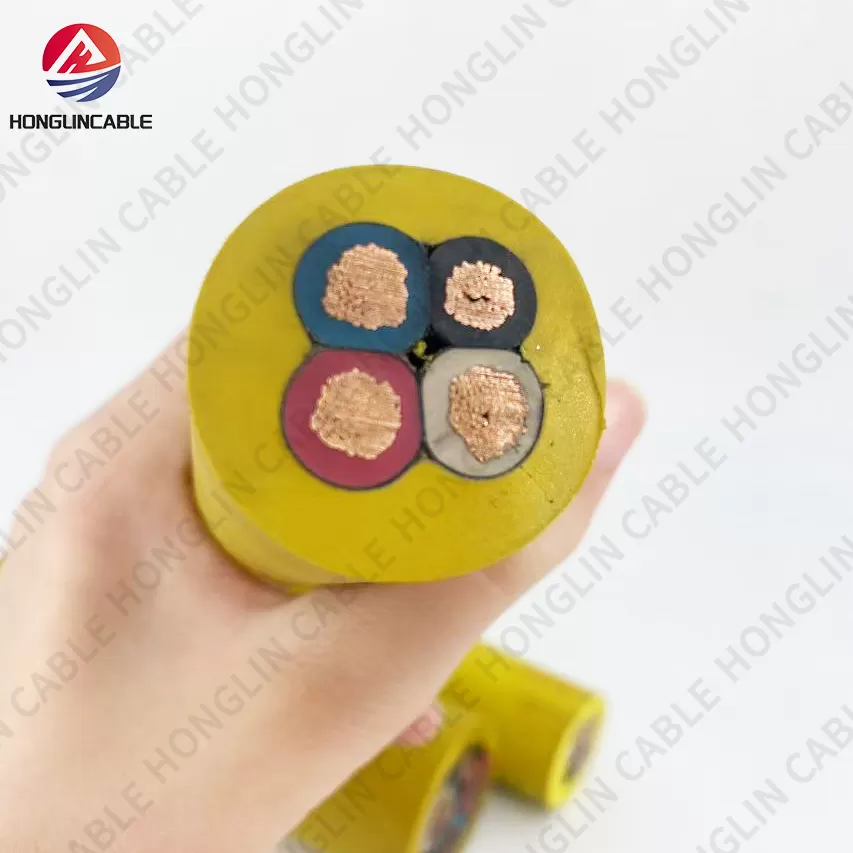
The most important technical choice when you evaluate any 1 gauge welding cable is strand geometry. Fine-strand conductors — often classed as Class K or similar — use many hundreds (sometimes ~700–1,100+) of small filaments to make the conductor. That structure behaves like a rope: it flexes, resists fatigue and compresses uniformly in crimp lugs. Coarse-strand constructions save cost initially but crack sooner where the cable bends or at the lug. For reels, rental fleets, or any cable that is frequently deployed, insist on a published strand count and a flex-class designation.
A 1 gauge welding cable with the right jacket tolerates oil, abrasion, UV and cold better than one with a basic PVC sheath. EPDM and neoprene-style elastomers are commonly used because they remain supple at low temperatures and resist oils and solvents found in workshops and construction sites. If you work near salt water or in corrosive atmospheres, consider tinned conductors and chemically resistant jacket systems. Matching jacket chemistry to exposure is one of the quickest ways to increase service life.
When you’re comparing offers for a 1 gauge welding cable, require these on the product page or in the quote:
Exact conductor construction (strand count and filament diameter). IEWC
DC resistance at 20 °C (for voltage-drop calculations).
Rated voltage and operating temperature range (600 V and broad temp ranges are common). 优先线缆
Minimum bend radius and overall diameter for reel and conduit planning.
Test certificates and standards compliance (SAE, ASTM, ICEA or supplier mill tests).
Having those numbers turns a marketing claim into an engineering decision you can trust.
A 1 gauge welding cable often serves short-to-medium runs: hand-held welding leads, battery interconnects and generator hookups. For each run, compute voltage drop using the supplier’s DC resistance figure and your expected current. If the computed end-voltage is marginal for the equipment, step up to a larger conductor. For continuous high currents or long feeders, the small per-foot savings on a lower-gauge product are dwarfed by the operational cost of poor arc quality or motor performance.
Most real-world cable problems show up at the terminations. To preserve the advantages of a well-built 1 gauge welding cable:
Use compression lugs rated for the gauge and the stud size.
Crimp with the right die and verify the mechanical hold; a bad crimp increases joint resistance and heat.
Apply strain-relief boots and heat-shrink so bending forces aren’t concentrated at the lug.
Commission with thermal imaging where possible to detect hot joints before they become failures.
Good termination practice keeps both crews safe and equipment reliable.
Even premium cable fails prematurely if handled poorly. Extend the life of every 1 gauge welding cable in your fleet with a few practical rules:
Use reels sized so the cable never bends tighter than the manufacturer’s minimum radius.
Protect pass-through points with grommets or guards to avoid chafing.
Clean jackets before rewinding — grit is the enemy of jacket durability.
Rotate reel use so the most abused lengths aren’t always the same ones.
These simple operational habits multiply the useful life of your cables.
There are situations where paying more upfront for a premium 1 gauge welding cable makes sense: robotic welding, rental fleets, or corrosive environments. Look for ultra-fine strand constructions or oxygen-free copper (OFC) and tinned conductor options where corrosion is a concern. Those variants cost more per foot but reduce replacement rates and deliver steadier electrical performance in demanding conditions. Windy Nation Inc+1
The 1 gauge welding cable fits a wide range of industrial tasks:
Hand-held welding leads where flexibility and low resistance are needed.
Battery and inverter interconnects for vehicles or backup systems.
Generator hookup leads for temporary site distribution.
Portable motor and compressor feeds when reels and movement are routine.
In each case select jacket chemistry and strand geometry to suit the expected mechanical and environmental stress.
To get comparable quotes, include these fields when you request a bid for 1 gauge welding cable:
AWG and exact strand breakdown (strand count and filament diameter). Pro Wire and Cable
Jacket and insulation material and rated temperature range.
DC resistance at 20 °C and rated voltage.
Minimum bend radius, outer diameter and packaging (reel lengths / cut tolerances).
Required test certificates and sample acceptance policy.
A crisp RFQ forces suppliers to give you apples-to-apples numbers and avoids costly substitutions.

A low per-foot price on a 1 gauge welding cable might look attractive, but cheap materials and coarse strands often translate into higher lifecycle cost: more replacements, emergency labour and lost productivity. Investing modestly in a high-strand conductor and a durable jacket typically reduces total cost per operating hour, especially for rental fleets and high-use shops.
Protect your investment with a short maintenance routine:
Visual inspections before each job (jacket cuts, exposed strands).
Thermal scans of terminations during commissioning.
Immediate replacement of cables with deep cuts or exposed copper.
Keep reel and batch numbers recorded for warranty or recall tracing.
Routine care prevents most field failures and keeps crews working.
Don’t buy by gauge alone — check strand count and jacket chemistry.
Require DC resistance on the datasheet so you can model voltage drop.
For heavy reel use, prefer Class K / ultra-fine constructions. IEWC
Insist on proper termination tooling or buy pre-terminated leads if you lack certified crimping capability.
These simple rules reduce surprises and keep your 1 gauge welding cable assets reliable.
When you choose a 1 gauge welding cable, treat it as part of a system: conductor geometry for flex life, jacket chemistry for the environment, verified datasheet numbers for electrical math, and correct terminations. Require sample reels for mission-critical orders, insist on test documents and adopt the simple handling and inspection practices above. Do that and your cables will become long-lived, low-maintenance assets instead of recurring headaches.