Nov. 25, 2025
When a crew pulls a reel, snaps on a lug and expects a predictable arc, the cable under hand is doing a lot of work. The 1 0 welding cable 100 ft is a common and practical specification because it combines a large conductor cross-section with manageable length and real-world flexibility. A 100-foot lead balances portability and reach: long enough for common site layouts, short enough to limit voltage drop for most jobs. If you manage fleets, fabricate in the field, or run rental operations, specifying the right 1 0 welding cable 100 ft reduces downtime and makes maintenance predictable.
A 100-foot length hits a sweet spot for many real jobs. It’s long enough to reach across a work area without multiple splices, yet short enough that, with a properly specified 1 0 welding cable 100 ft, voltage drop stays within acceptable bounds for typical welding and battery tasks. For portable welders, generator hookup and battery interconnects, this length is frequently the best compromise between flexibility, weight and electrical performance.
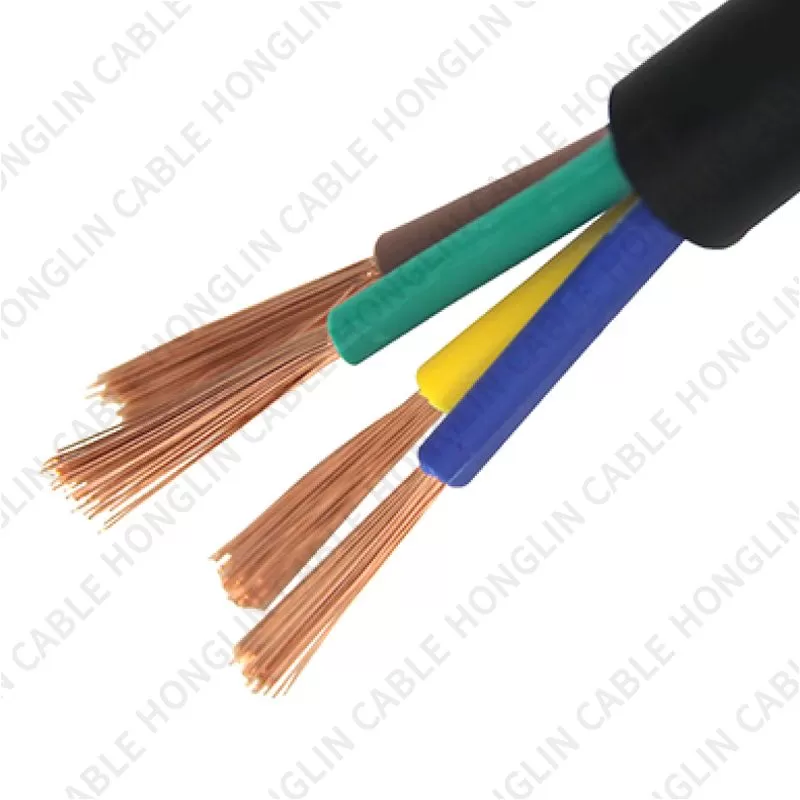
Saying “1 0 welding cable 100 ft” tells you the gauge and the length — but not how the cable feels on the reel. The practical differentiator is strand geometry. Premium 1 0 welding cable 100 ft products use many thin copper filaments (fine-strand construction) rather than a few coarse wires. That multi-filament approach delivers:
higher flex fatigue life when reels are deployed and stored daily;
cleaner, lower-resistance terminations because crimps compress uniformly; and
reduced risk of strand breakage at bends or lugs.
If your operation reels, unreels and stores leads frequently, choose a 1 0 welding cable 100 ft with published strand counts (those numbers matter in the field).
A robust 1 0 welding cable 100 ft is more than copper: the jacket protects the conductor from oil, abrasion, ozone and UV. Typical practical choices:
EPDM — a field-proven elastomer that stays flexible at low temperatures and resists oil and abrasion. It’s the most common jacket for heavy-duty welding leads.
Neoprene / PCP — slightly different performance tradeoffs but also widely used in shop and outdoor conditions.
PVC — acceptable for light indoor uses, but it hardens and cracks faster under heavy flex and oil exposure.
Match the jacket material to actual exposure (worksite surface, oil/chemical presence, sunlight and cold), and your 1 0 welding cable 100 ft will last significantly longer.
When you evaluate a product labelled 1 0 welding cable 100 ft, require these datasheet values from the supplier:
Rated voltage (typically 600 V for welding/battery cable).
DC resistance at 20 °C — essential for precise voltage-drop calculations.
Operating temperature range (often −50 °C to +105 °C for heavy-duty constructions).
Strand count and strand diameter — the practical flex indicator.
Minimum bend radius and overall diameter for reel and conduit planning.
Standards and test evidence (SAE J1127, ASTM references, mill certificates as needed).
A datasheet with these numbers converts a marketing claim into an engineering decision for your 1 0 welding cable 100 ft selection.
For most short welding leads, a 1 0 welding cable 100 ft is a solid choice:
For handheld welding leads under 10–30 ft, 1/0 gives low resistance and good arc stability. For 100 ft runs, evaluate voltage drop: if end-voltage under expected current stays within equipment tolerances, 1/0 is fine; otherwise consider 2/0 or larger.
For battery and inverter interconnects, 1/0 across 100 ft is often at the practical limit — many battery feeds are shorter; for long runs maintain awareness of end-voltage.
For generator feeders and temporary distribution, 100 ft is convenient but you must model voltage drop at expected load.
Always run the math with the supplier’s DC resistance figure for your 1 0 welding cable 100 ft before signing the purchase order.
Most cable failures show up at the termination. For any 1 0 welding cable 100 ft you should:
Use compression lugs sized for 1/0 and the stud/bolt in the application.
Crimp with manufacturer-recommended dies and test crimps where practical.
Provide strain relief and insulated boots so bending stress doesn’t concentrate at the lug.
Thermally scan high-current connections during commissioning to find high-resistance joints early.
A good termination routine protects both the conductor and the connector, making the 1 0 welding cable 100 ft a reliable tool rather than a recurring problem.
Because 100-foot leads get reeled and moved frequently, handling habits matter:
Use reels with adequate drum diameter to avoid bending below the cable’s minimum radius.
Avoid dragging over sharp edges; protect pass-through points with grommets.
Clean jackets before rewinding to prevent grit embedding and abrasion.
Rotate reel use so no single cable bears all the wear.
These practices, combined with a high-strand 1 0 welding cable 100 ft, extend service life dramatically.

The 1 0 welding cable 100 ft fits many real workloads:
Portable welding leads for on-site fabrication and maintenance.
Generator to equipment hookup where flexibility and moderate distance are needed.
Battery interconnects and inverter feeds in temporary power systems (with careful voltage-drop review).
Portable motor and compressor feeds when reels and mobility are in regular use.
For each use, match the jacket chemistry and strand structure to the physical stresses expected.
To get apples-to-apples offers for a 1 0 welding cable 100 ft, your RFQ should request:
AWG designation and exact strand breakdown (e.g., 1,026/30).
Jacket and insulation chemistry with temperature range.
DC resistance at 20 °C and rated voltage.
Minimum bend radius, overall diameter and reel packaging.
Required certificates (hipot, insulation resistance, mill test certificates) and batch traceability.
Sample reel acceptance policy for mission-critical runs.
A tidy RFQ reduces substitutions and speeds procurement of the right 1 0 welding cable 100 ft.
Buying the least expensive cable per foot often leads to higher lifecycle cost: more frequent replacements, emergency labour and downtime. Investing a modest premium in a correctly specified 1 0 welding cable 100 ft—with fine-strand conductor, robust jacket and proper test evidence—reduces whole-life costs and improves uptime for rental yards, contractors and maintenance teams.
Adopt this short routine to protect your 100-foot leads:
Pre-job visual inspection of jackets and terminations.
Thermal scanning of terminations during commissioning and after heavy use.
Replace any cable with exposed strands or deep cuts; avoid risky field splices.
Track reel IDs and batch numbers for traceability and warranty claims.
Routine care yields dramatically fewer emergency replacements and safer operation.
Prefer cables that publish strand counts and DC resistance values.
Match jacket chemistry (EPDM or neoprene) to site exposure.
For corrosive or marine sites, consider tinned conductors.
Request sample reels for acceptance testing on mission-critical deployments.
Negotiate volume pricing for fleet purchases and plan lead times.
These tactics help you order a 1 0 welding cable 100 ft that genuinely fits the job.
When you choose a 1 0 welding cable 100 ft, treat the purchase as a systems decision: confirm strand geometry for flex life, select jacket chemistry for the environment, verify datasheet numbers for resistance and thermal limits, and demand proper termination practice. Do that and your leads will be dependable, safe and economical for years of on-site service.